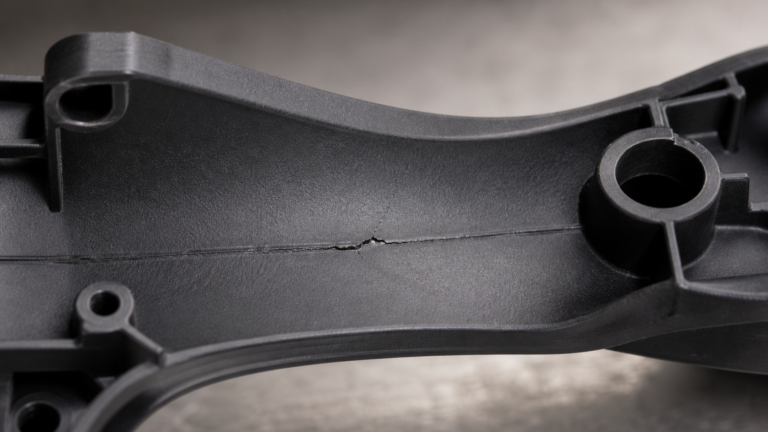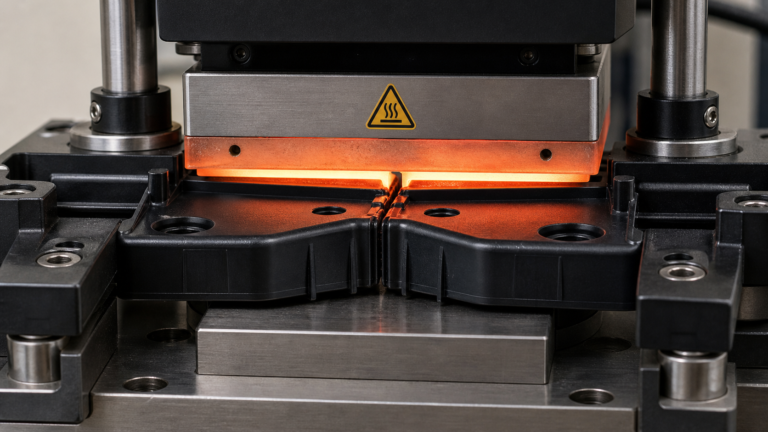
How Can We Separate Machinist Experience From Universal Cutting Rules?
A skilled machinist offers advice for cutting a polymer, but the results are poor. You need a reliable process, not just a rule of thumb that doesn't work.
We separate experience from rules by treating anecdotal advice as a starting point for a structured test. We identify the specific material grade, compare machine setups, and run documented trials under local conditions to build an evidence-based process that can be reliably reused.
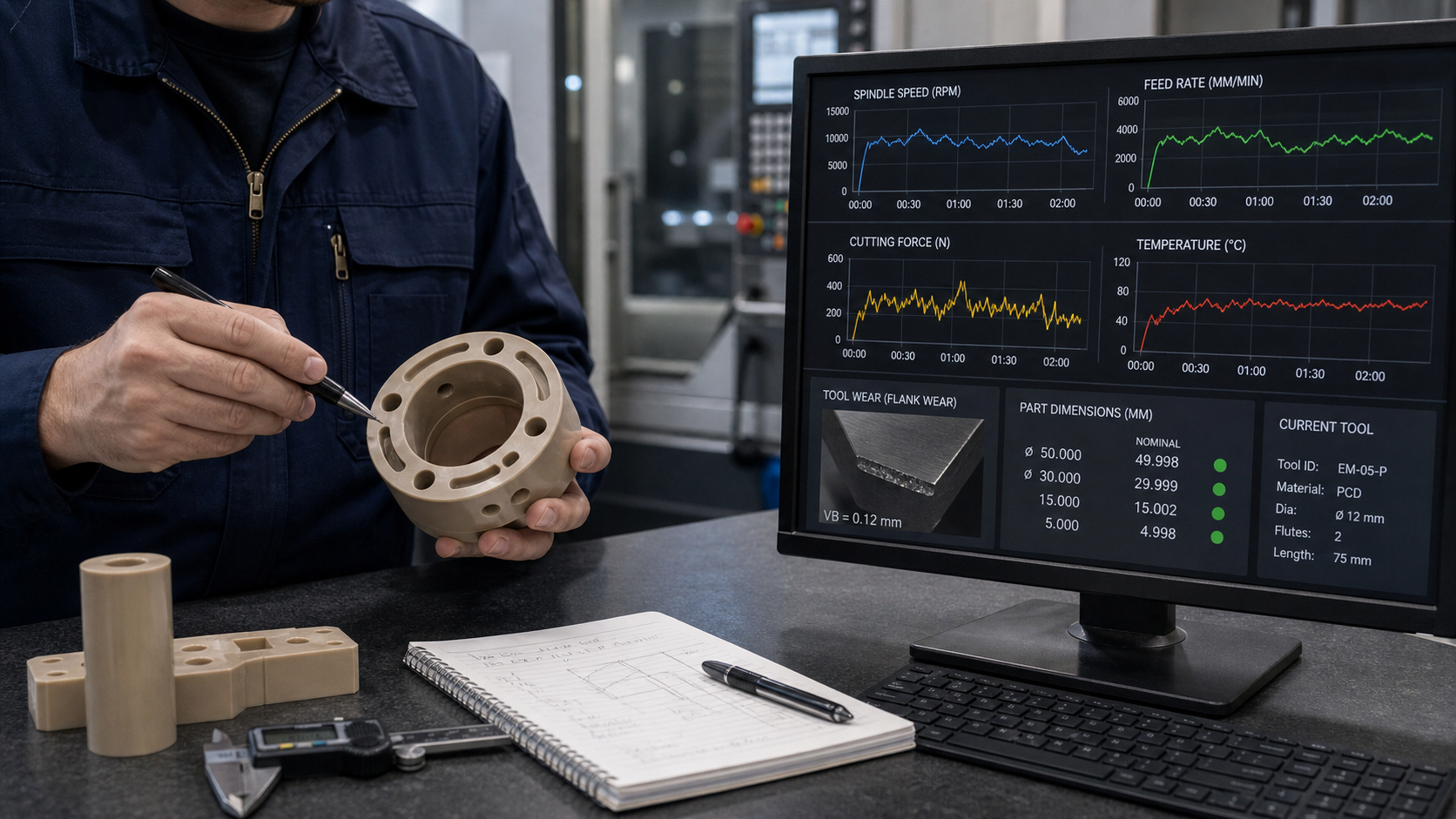
When we hear advice about machining a material like PEEK, it's easy to think of it as a single material with one set of rules. However, experience has taught us that this is rarely the case. A machinist's success on one project doesn't always transfer directly to another, even if the polymer has the same name. We’ve found that the key is to break down the advice into its core components and test them against our specific situation. This turns a general recommendation into a specific, qualified process. We believe this is the only way to guarantee repeatable quality for demanding applications. Without this step, we are just guessing and hoping for the best, which is not a sustainable manufacturing strategy.
How Do We Identify the Grade Behind a Machinist's Recommendation?
You hear that "PEEK machines well," but the ceramic-filled grade you are using is destroying your tools. The general advice failed because the specific grade was ignored.
We look past the base polymer name and identify the exact grade. We must know if it contains reinforcements like glass fiber, carbon fiber, or abrasive ceramics. These fillers completely change the machining behavior, making general advice unreliable for a specific, high-performance grade.
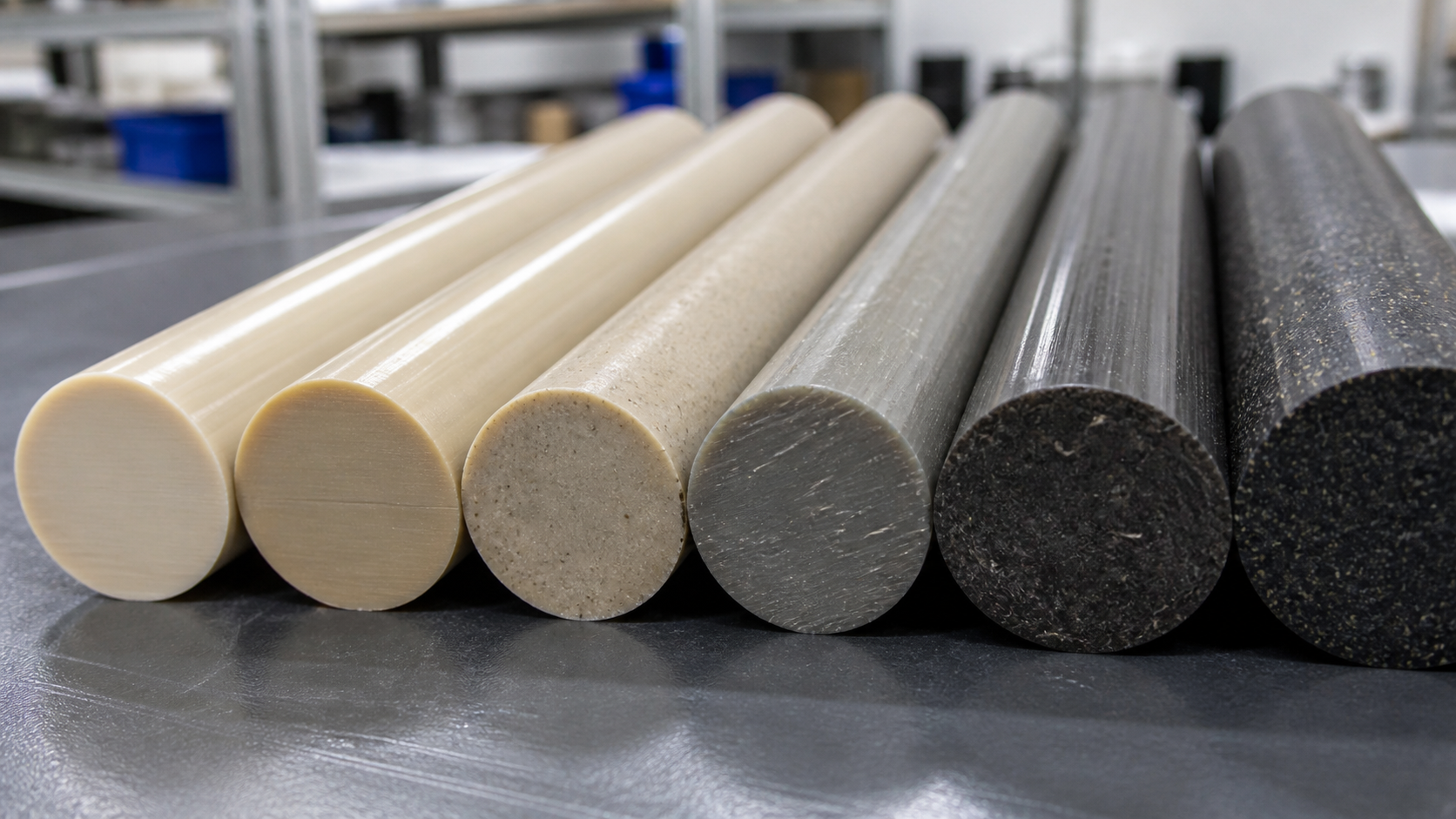
The first question we always ask is, "Which specific grade are we talking about?" A recommendation to machine "PEEK" is too vague to be useful. For example, we treat abrasive tool wear in ceramic-filled PEEK as a serious issue that requires us to check part dimensions very frequently. This is completely different from how we would approach an unfilled, virgin PEEK grade. The fillers are the most important variable. Glass and carbon fibers add stiffness but are also abrasive to cutting tools. Ceramic fillers are even more abrasive and can cause rapid tool failure if speeds and feeds are not adjusted correctly. We learned that relying only on the polymer name is a recipe for scrap parts and broken tools. Making process qualification an evidence-based decision starts with knowing the exact material.
The Critical Role of Fillers
Fillers are added to polymers to enhance specific properties like stiffness, wear resistance, or conductivity. However, they also introduce new machining challenges. An unfilled polymer might cut cleanly, creating long, continuous chips. The same polymer with 30% glass fiber will produce abrasive, dusty chips and require different cutting tool geometry and materials to achieve a good surface finish and maintain tolerances over a production run.
A Look at Common PEEK Grades
| PEEK Grade | Common Filler | Key Machining Consideration |
|---|---|---|
| Unfilled PEEK | None | Good machinability, but can be gummy. Stress relief is critical for stability. |
| 30% Glass-Filled PEEK | Glass Fibers | Highly abrasive to standard high-speed steel (HSS) tools. Carbide or PCD tools are recommended. |
| 30% Carbon-Filled PEEK | Carbon Fibers | Very abrasive. Demands robust tooling and frequent inspection for tool wear. |
| Bearing Grade PEEK | Carbon, PTFE, Graphite | Less abrasive than glass/carbon fiber grades, but fillers still affect the process. |
| Ceramic-Filled PEEK | Ceramic Particles | Extremely abrasive. Causes rapid tool wear. Requires very specific process control. |
How Do We Compare Machines, Tools and Feature Sizes?
You are using the right material grade, but your parts are still out of tolerance. The problem might not be the material, but the hardware used to cut it.
We document the entire manufacturing system. This includes the machine's rigidity and power, the cutting tool's material and geometry, and the specific features being machined. A lightweight machine with a standard tool cannot produce the same results as a heavy-duty machine with specialized tooling.
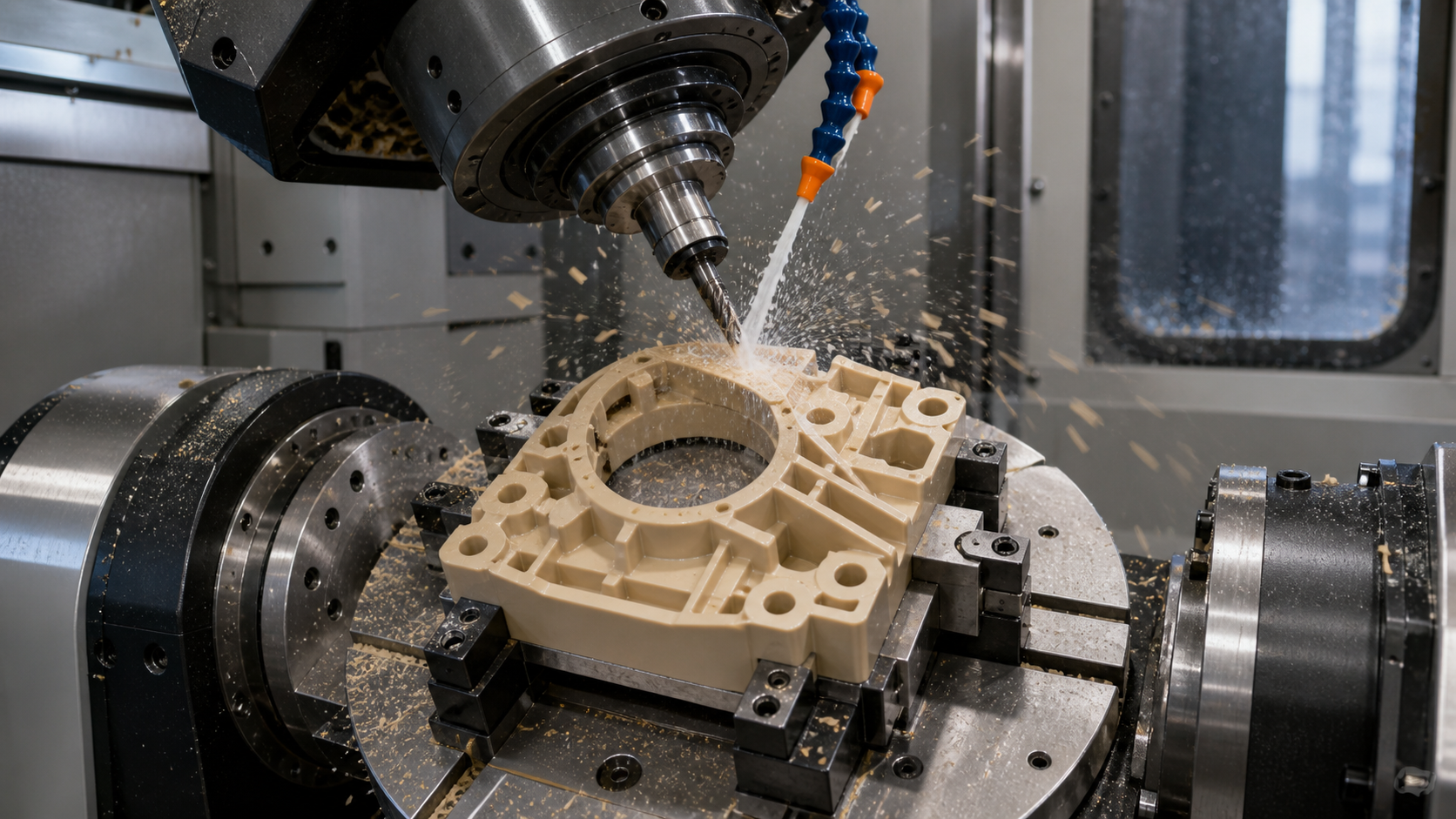
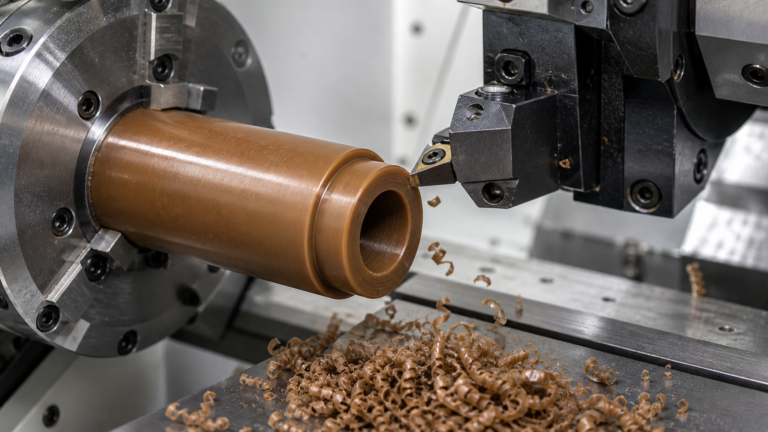
After we confirm the material grade, we look at the physical setup. A machinist's experience is always tied to the equipment they used. Advice that worked on a large, rigid 5-axis CNC mill might not work on a smaller, less rigid machine. The machine's ability to absorb vibration and maintain its position under load is critical, especially with reinforced polymers that require more cutting force. Tool selection is just as important. For a tough material like ceramic-filled PEEK, a standard carbide endmill will wear out quickly. We would choose a tool made from a harder material, like Polycrystalline Diamond (PCD), to get acceptable tool life. The part's geometry also matters. Machining a thin wall requires a different approach than hogging out a large pocket. We have to consider all these factors to understand why a certain recommendation worked and if it can work for us.
How Do We Test Advice Under Recorded Local Conditions?
You have all the information about the material and equipment, but how do you create a repeatable process? You need to move from theory to practice with controlled testing.
We run a documented trial using the machinist's advice as our starting point. We machine a small number of parts or test coupons, recording all settings and measuring tool wear and part dimensions at regular intervals. This provides concrete data to validate or adjust the process.
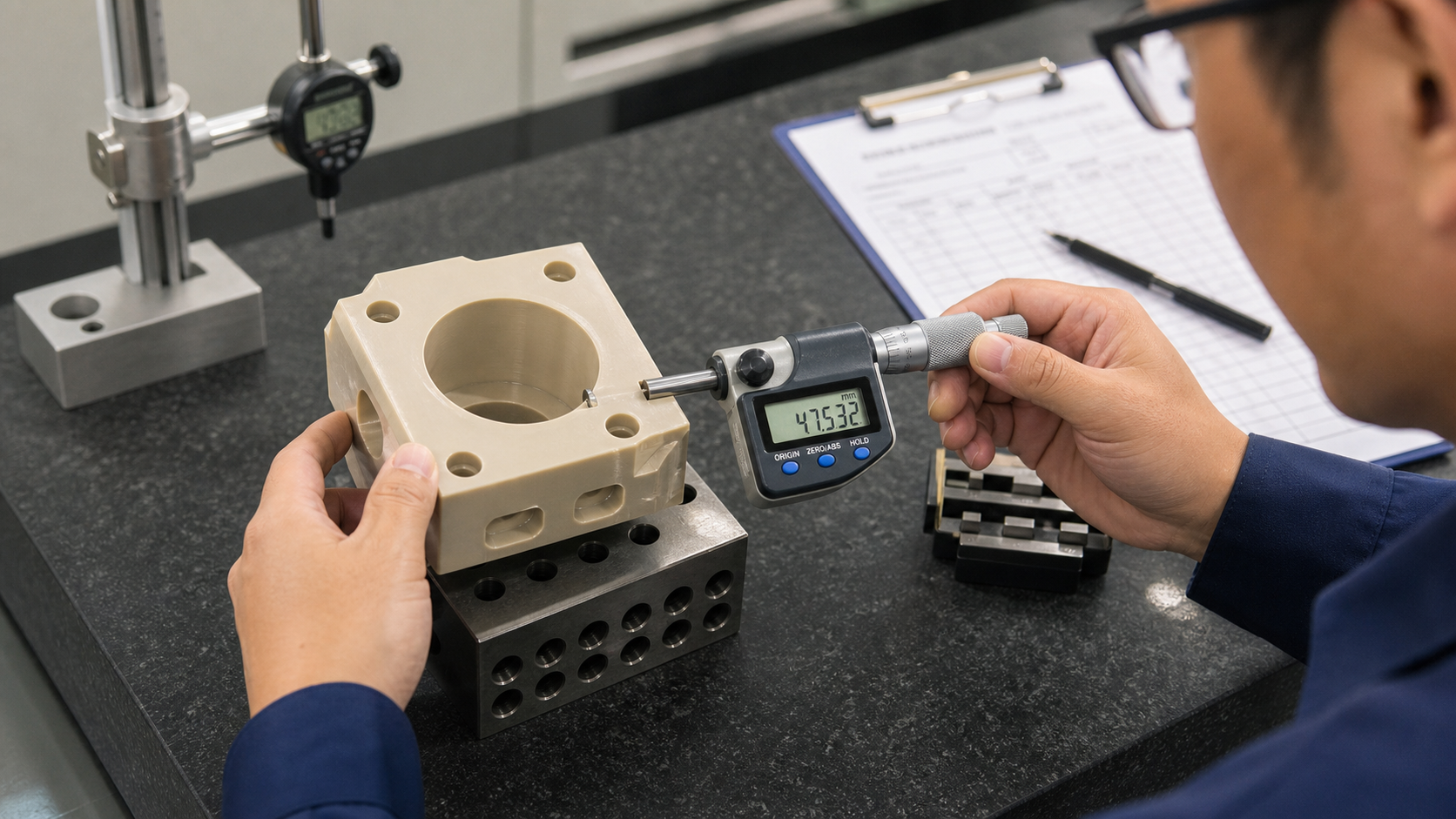
This is where we turn advice into evidence. We never apply a new cutting strategy directly to a production run. Instead, we set up a formal test. We might start by machining a few test pieces. During this trial, we document everything: the exact machine, the tool part number, spindle speed, feed rate, depth of cut, and coolant usage. For an abrasive material, we would stop the machine after every part to inspect the cutting tool with a microscope and measure the part's critical dimensions with calibrated instruments. This disciplined approach gives us real data. We might find that the recommended speed is too high for our machine, causing chatter and a poor surface finish. Or we might discover that the tool wears predictably, and we need to schedule a tool change after every 50 parts to hold tolerance. This documented trial is the foundation of a qualified and reliable manufacturing process.
How Do We Define Where the Result Can Be Reused?
You developed a successful process, but can you apply it to every new job? A process is only reliable within the boundaries where it was tested and proven.
We define the specific "operating window" where the validated process is effective. This includes the exact material grade from a specific supplier, the machine, tools, and the type of features. Any change to these key variables requires re-validation to ensure consistent quality.
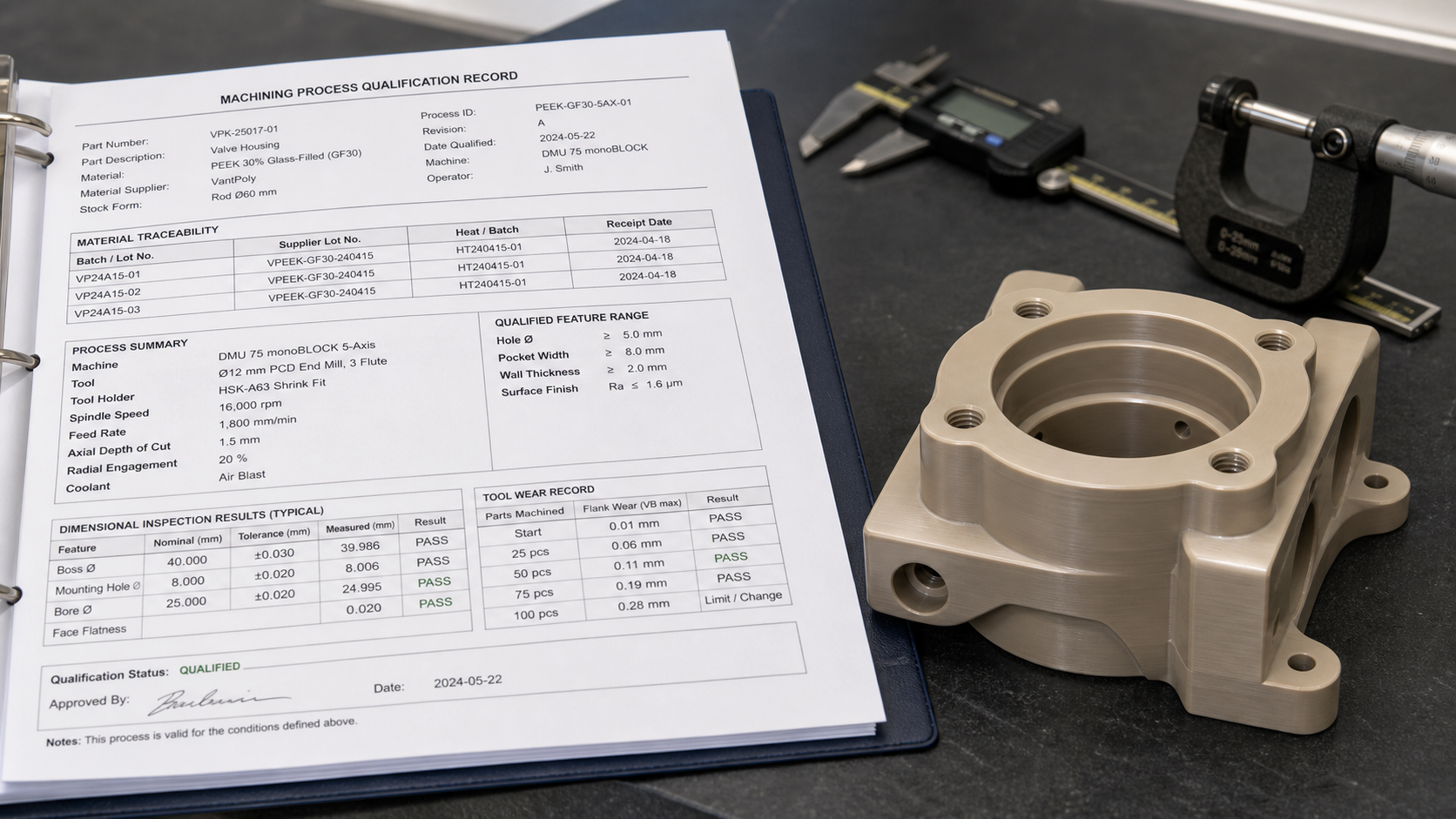
A successful test result is not a universal solution. It's a solution for a specific set of conditions. The final step is to clearly define those conditions. We create a process document that lists all the critical variables. This includes the material grade and even the semi-finished stock supplier, as different manufacturers can have slight variations. It also includes the specific CNC machine, the tool holder, the exact cutting tool, and the range of feature sizes for which the process was validated. We treat this as a qualified process. If a customer orders the same part again, we can use this process with confidence. However, if any variable changes—for example, we have to use a different machine, or the new batch of material is from a different supplier—we know the process must be re-confirmed. We would never assume the old settings will work. We treat every proposed remedy as anecdotal until we confirm it independently for the specific grade and local conditions.
Conclusion
Machinist experience is a great starting point, but it must be validated with documented testing to create a reliable process for high-performance polymers. True quality comes from evidence-based decisions.