
High-Performance Polymers for Critical Applications
VantPoly supplies engineering polymer materials, semi-finished products and custom-machined components for applications where temperature, chemical exposure, wear, dimensional stability and electrical performance matter.
Material Selection Starts With the Operating Environment
High-performance polymers are typically selected when conventional plastics cannot provide sufficient thermal stability, chemical resistance, wear performance or dimensional control.
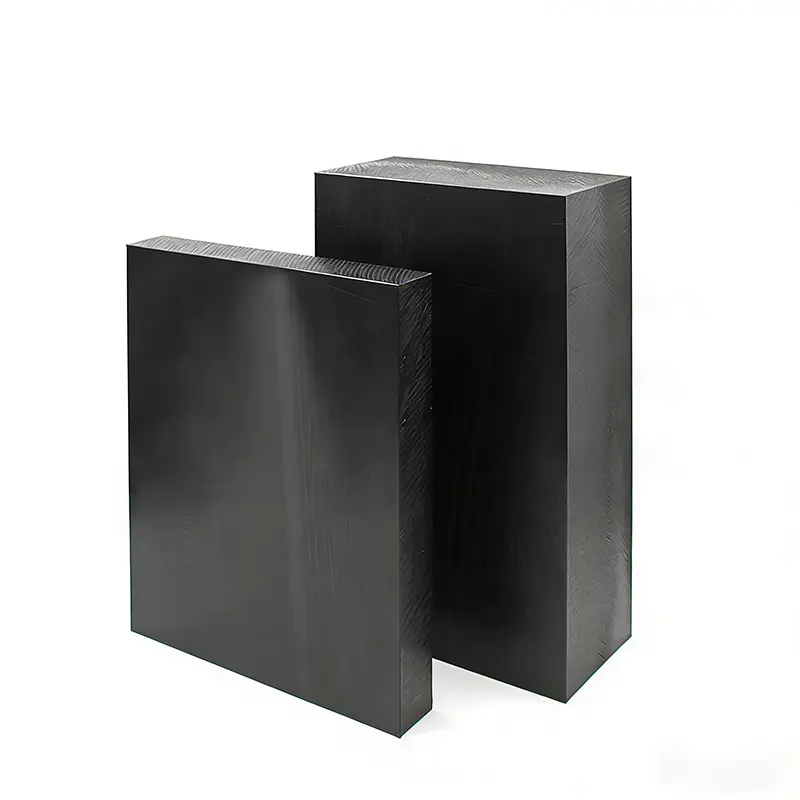
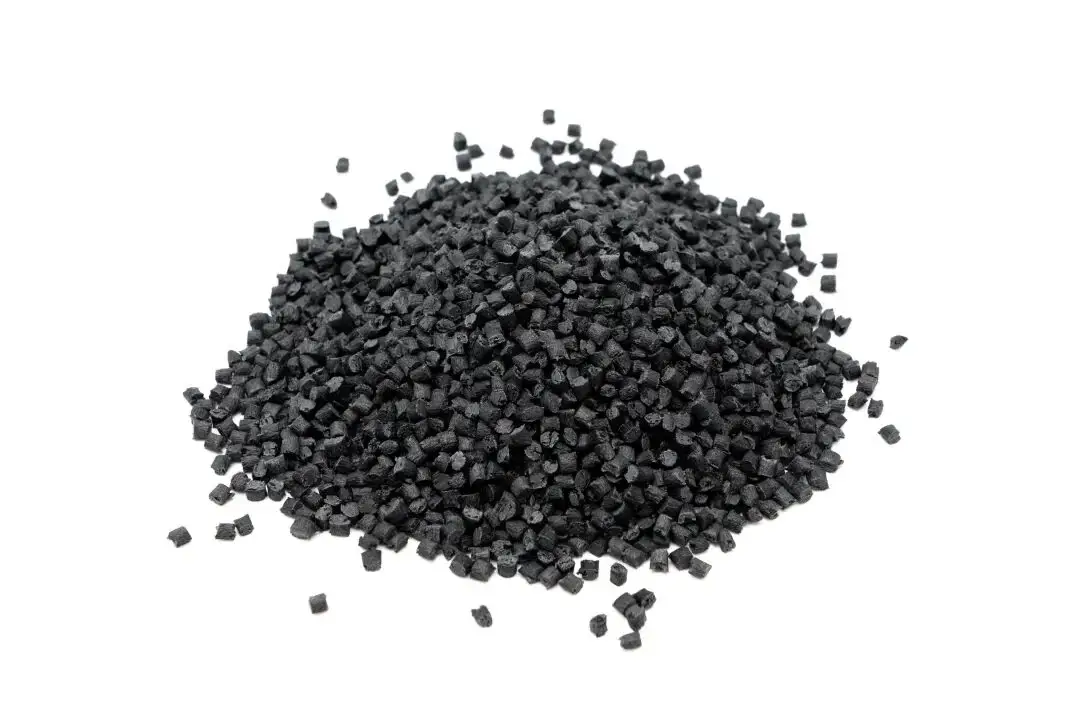
VantPoly supports buyers with PEEK, PEI, PPS and selected reinforced or modified formulations supplied as granules, sheets, rods, extruded profiles and finished components.
Final selection should consider the complete working environment, including continuous temperature, mechanical load, chemical exposure, electrical requirements, cleanliness and regulatory needs.
- Continuous operating temperature
- Chemical and moisture exposure
- Mechanical load and wear
- Electrical insulation requirements
- Dimensional tolerances
- Applicable documentation
Materials for Demanding Industrial Environments
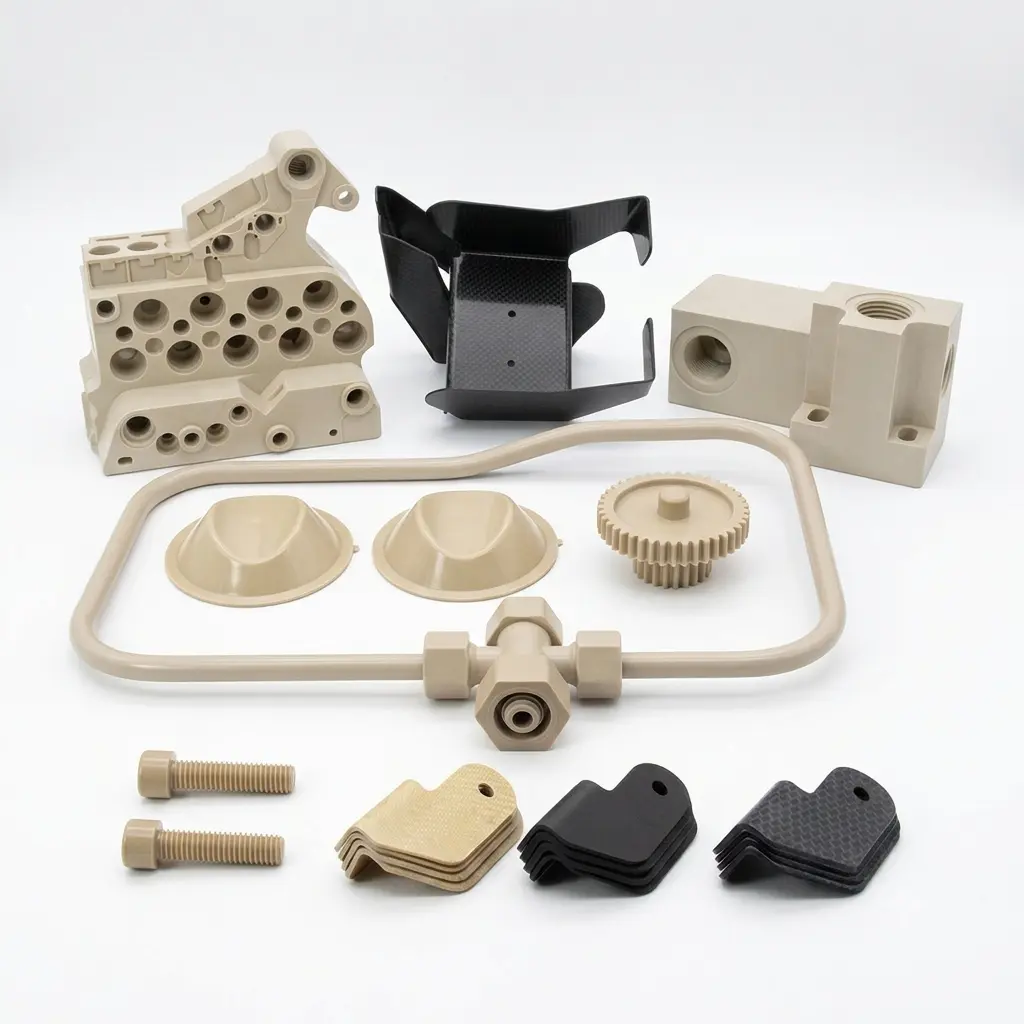
Polymer grades and component designs can be selected according to the thermal, mechanical, chemical, electrical and dimensional requirements of each application.
 01
01
Aerospace
Lightweight polymer components considered for demanding temperature, wear, electrical and dimensional requirements.
- Electrical insulation components
- Bushings, seals and structural parts
- Low-weight replacement components
 02
02
Semiconductor
Engineering polymers for components requiring chemical resistance, dimensional stability, insulation and clean handling.
- Wafer-handling components
- Insulating fixtures and supports
- Chemical processing equipment parts
 03
03
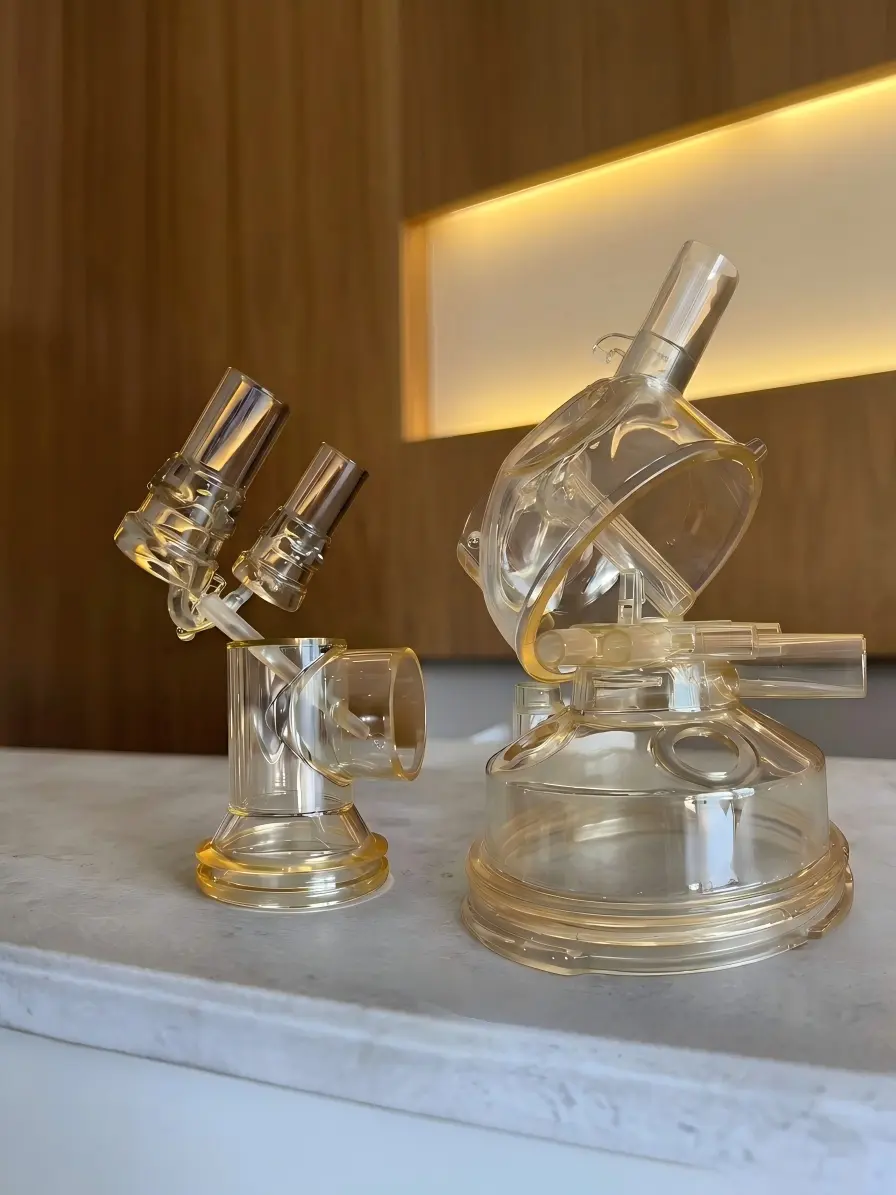
Medical & Laboratory
Selected polymer grades for reusable equipment, laboratory fixtures and components requiring stability and process resistance.
- Instrument and equipment parts
- Laboratory fixtures and holders
- Applicable material documentation
 04
04
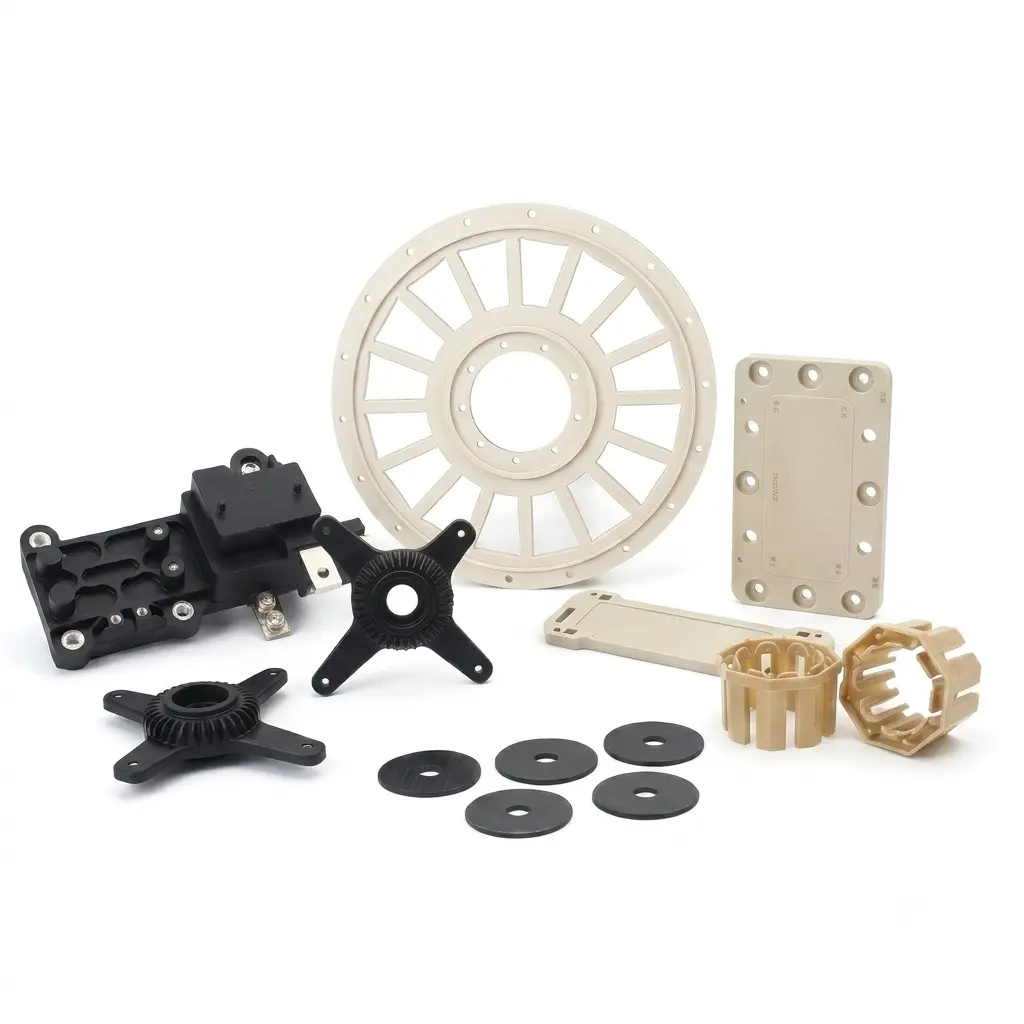
Automotive & E-Mobility
Heat-resistant and electrically insulating polymers for components exposed to temperature, vibration and chemicals.
- Electrical and connector components
- Thermal-management parts
- Wear-resistant bushings and supports
 05
05
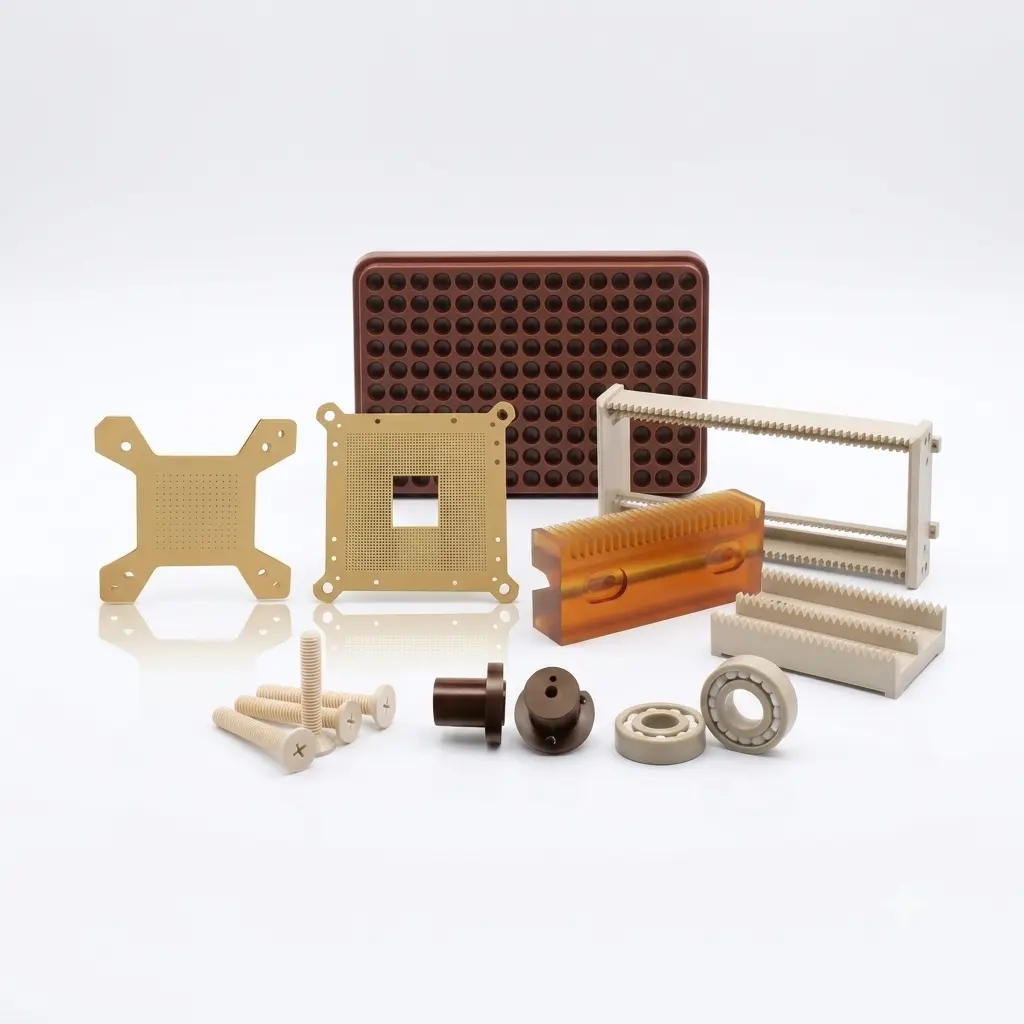
Electrical & Electronics
Engineering plastics selected for dimensional stability, electrical insulation and elevated-temperature performance.
- Insulators and terminal supports
- Test fixtures and equipment parts
- Precision electrical housings
 06
06
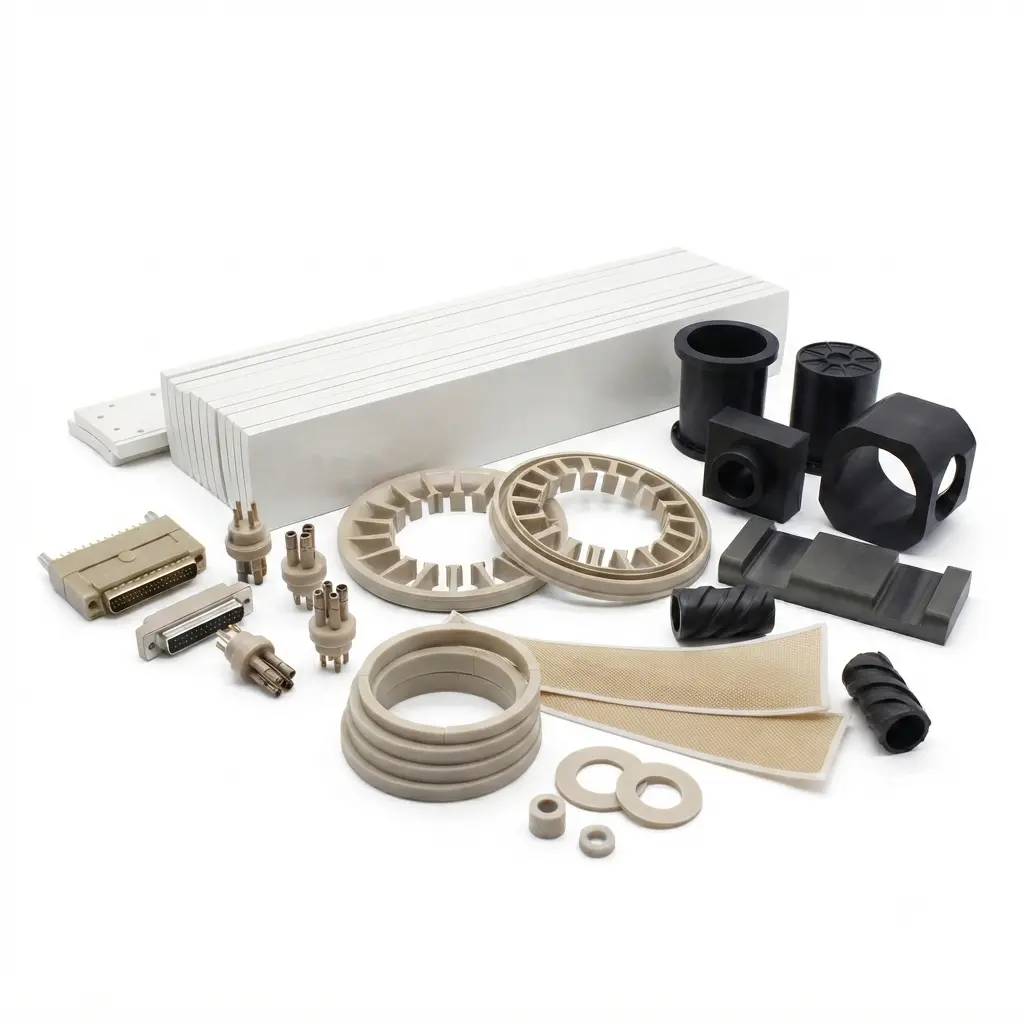
Oil, Gas & Chemical
Polymer components for chemically exposed systems requiring resistance to corrosion, wear and elevated operating temperatures.
- Seals, valve seats and rings
- Pump and fluid-handling parts
- Chemical equipment components
 07
07
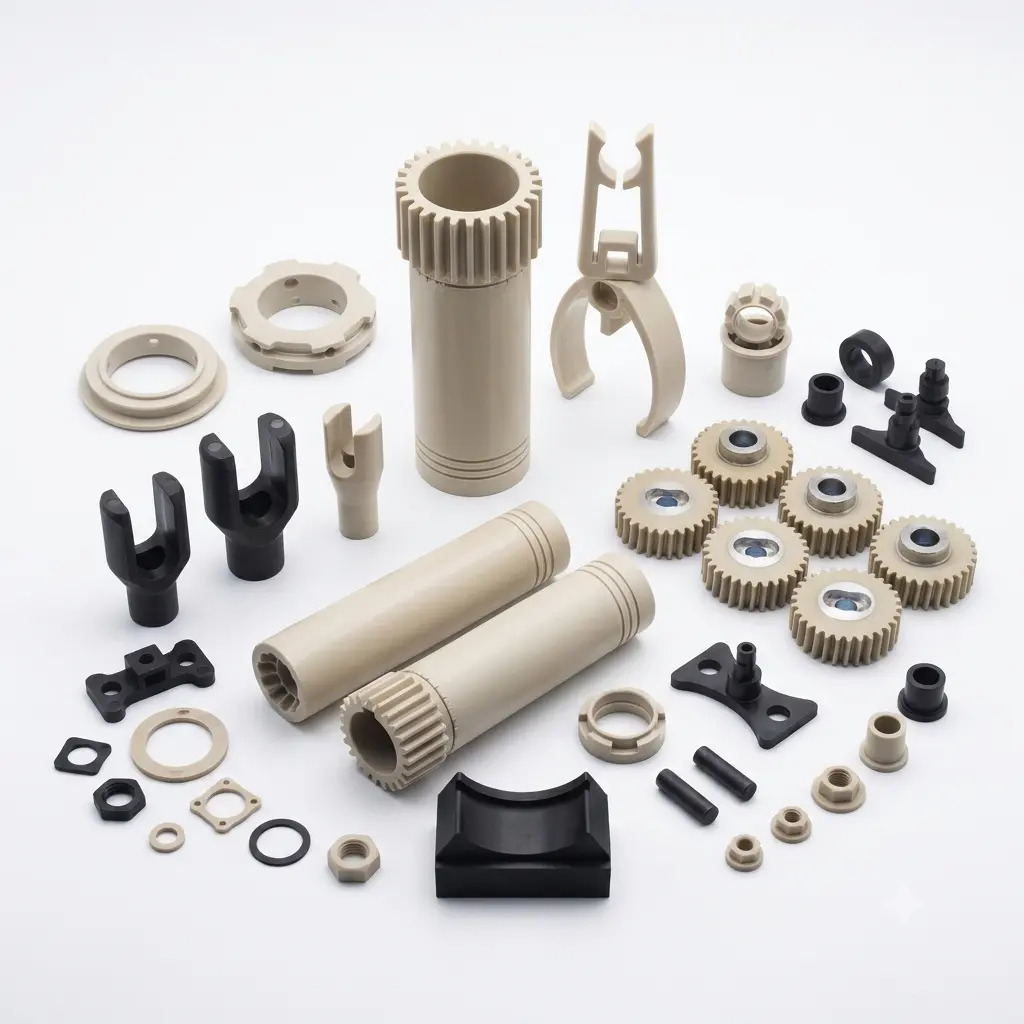
Food Processing
Selected polymer grades and colors for processing equipment, guides, wear parts and fluid-handling components.
- Guide rails and wear strips
- Processing equipment components
- Applicable compliance documents
 08
08
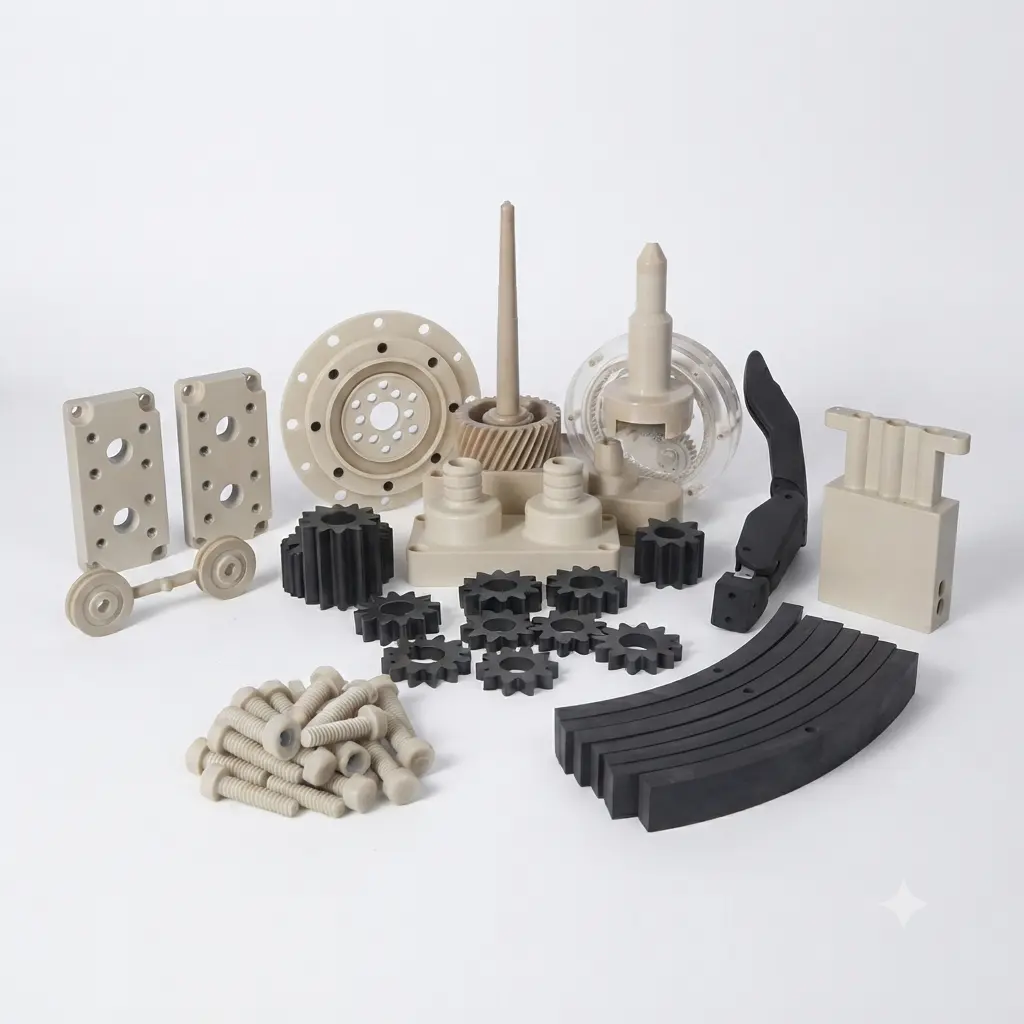
Industrial Equipment
Custom-machined polymer components for production equipment, automation systems and specialized machinery.
- Bushings, gears and wear components
- Fixtures, supports and guides
- Drawing-based replacement parts
 09
09
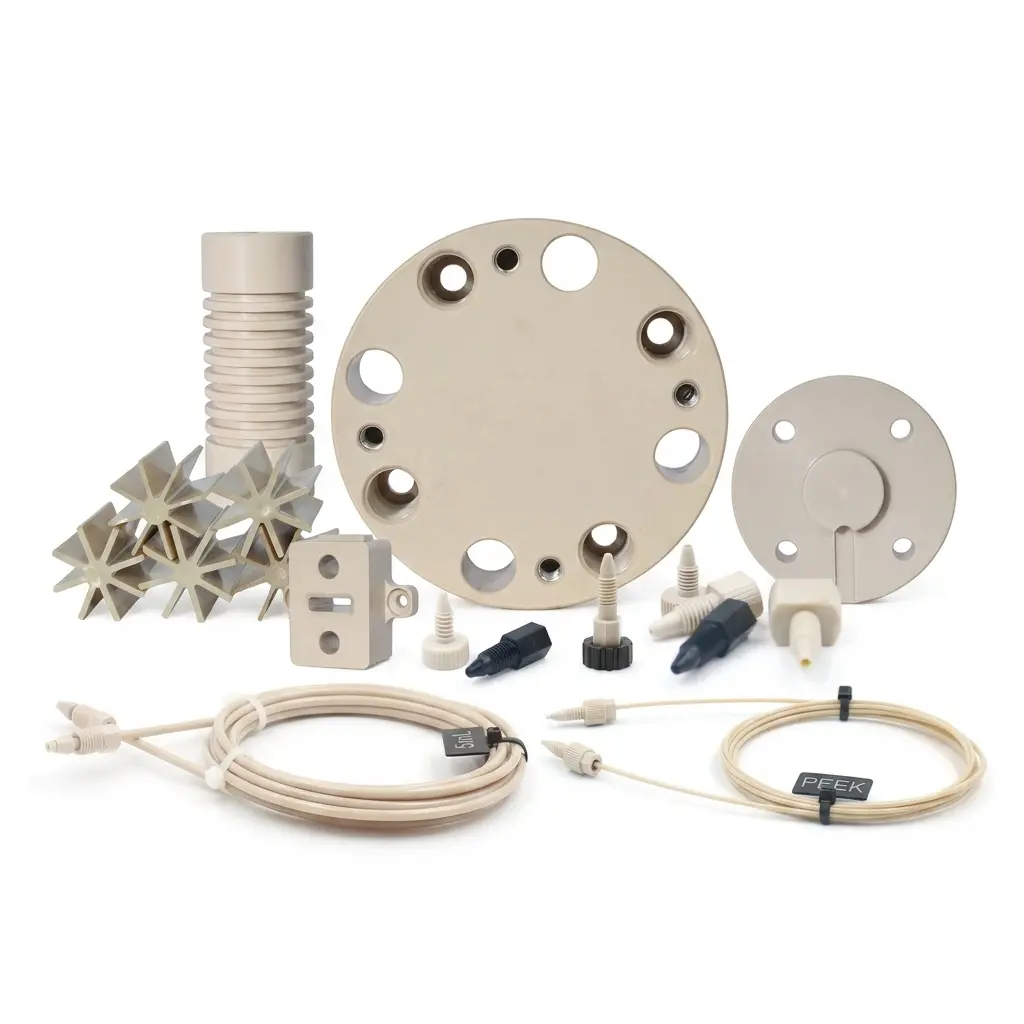
Scientific Instruments
Precision polymer parts for analytical, testing and research equipment requiring stable dimensions and controlled machining.
- Sample holders and fixtures
- Insulating instrument components
- Prototype and small-batch parts
PEEK, PEI or PPS?
This comparison provides general guidance for initial screening. Final selection should be based on the exact grade, working temperature, chemical environment, mechanical load and required documentation.
| Selection Factor | PEEK | PEI | PPS |
|---|---|---|---|
| Heat Performance | |||
| Chemical Resistance | |||
| Mechanical Performance | Excellent, including reinforced grades | Good strength and dimensional stability | Good, particularly in filled formulations |
| Electrical Applications | Insulating and modified grades available | Strong electrical and dimensional performance | Widely considered for electrical components |
| Typical Selection Priority | Maximum overall performance | Stability, insulation and appearance | Chemical resistance and cost control |
| Available Forms | Granules, sheets, rods and custom parts | Pellets, sheets and custom components | Pellets, sheets, rods and machined parts |
Information Needed Before Material Selection
Providing complete working conditions helps reduce material-selection risk and improves manufacturing feasibility.
Operating Temperature
Specify continuous and peak temperatures, thermal cycling and exposure time under actual working conditions.
Chemical Exposure
Identify chemicals, concentrations, exposure duration, pressure and operating temperature.
Mechanical Load
Confirm static load, impact, vibration, friction, pressure and the direction of applied forces.
Dimensions and Tolerances
Provide drawings, critical dimensions, tolerance classes, surface requirements and inspection points.
Electrical Requirements
Confirm insulation, conductivity, static dissipation, dielectric and electrical safety requirements.
Documentation Requirements
Identify required material certificates, test reports, compliance documents and batch records before ordering.
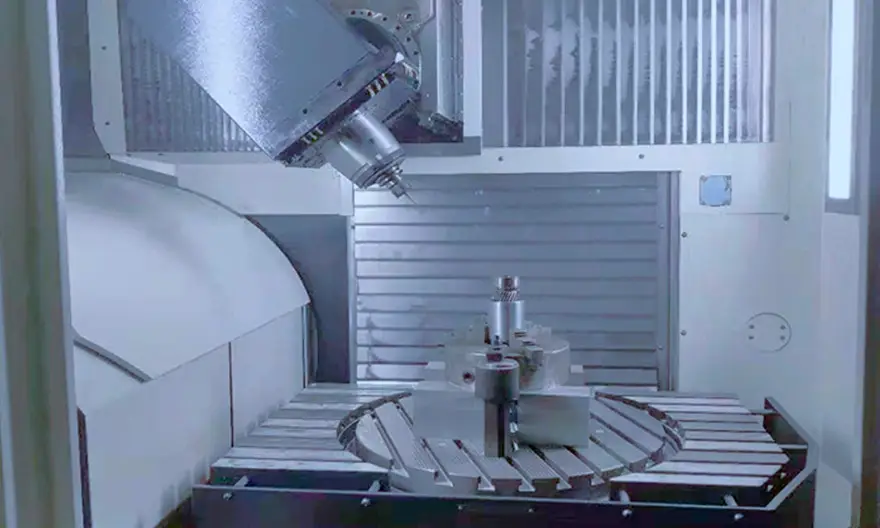
From Material Selection to Finished Parts
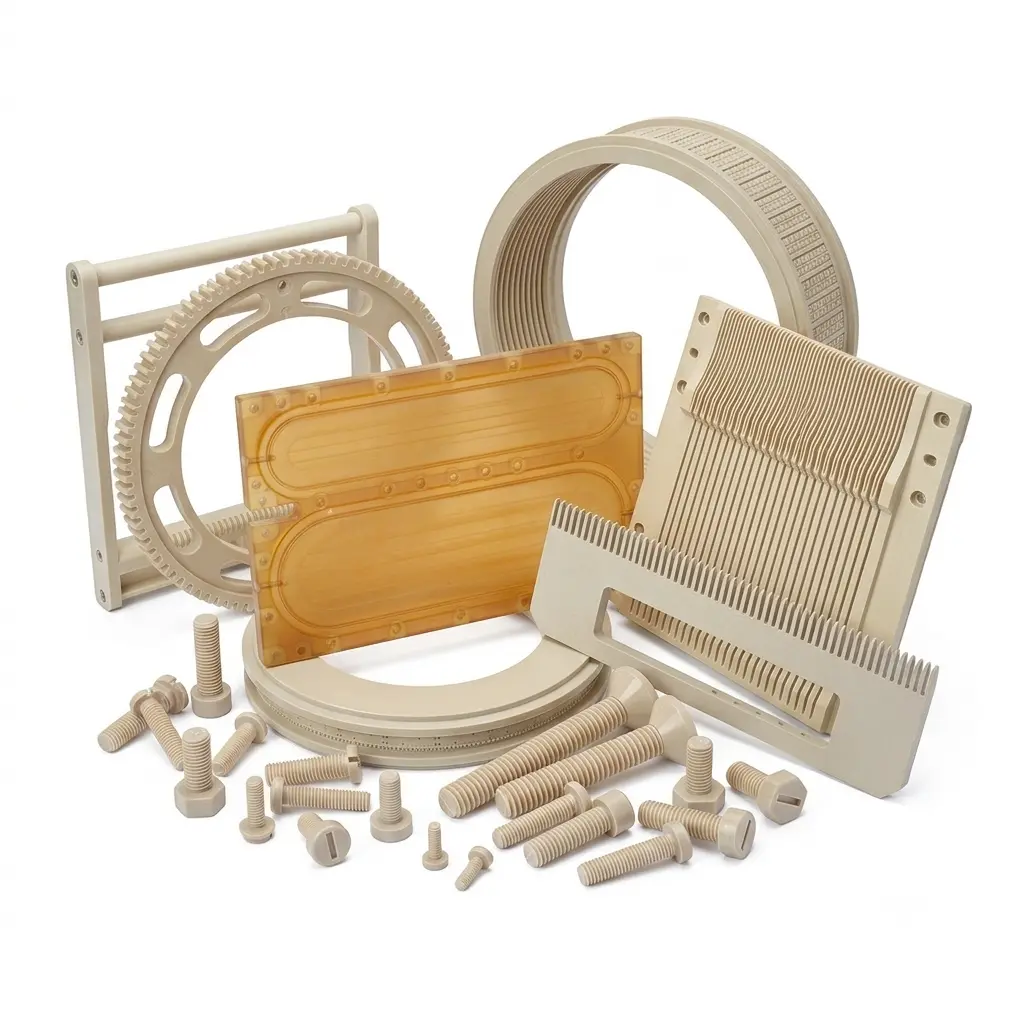
VantPoly can support custom components manufactured according to drawings, physical samples and application-specific operating requirements.
- PEEK, PEI, PPS and selected reinforced grades
- 4-axis and 5-axis CNC machining
- Prototype and small-batch production
- Custom cutting and profile extrusion
- Dimensional and surface inspection
- Protective export packaging
Tell Us About Your Operating Conditions
Send your application, working temperature, chemical exposure, mechanical requirements, drawing, required material documents and quantity for an initial material and manufacturing review.