When PBI is a practical material choice
PBI is often considered for semiconductor processing equipment, aerospace components, vacuum-related assemblies, high-temperature fixtures, wear parts and electrically insulating components. It can be a useful option where heat exposure, contact pressure, sliding wear, chemical contact or tight tolerances must be assessed together. Check the service temperature, mating surface, media exposure, load cycle and required dimensions before selecting a grade.
Available PBI product forms
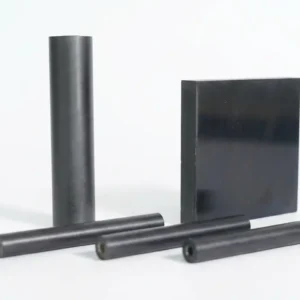
PBI sheets and plates
For machined insulation parts, fixtures, guides and structural components.
PBI rods
For turned parts, bushings, seals, rollers and precision components.
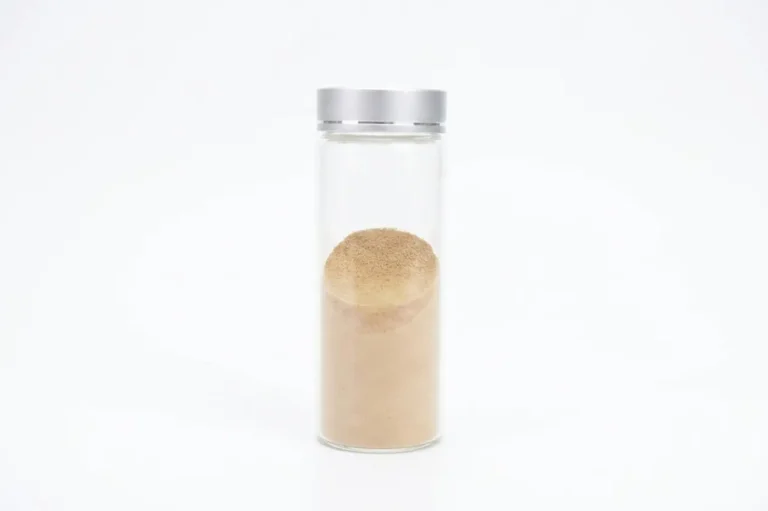
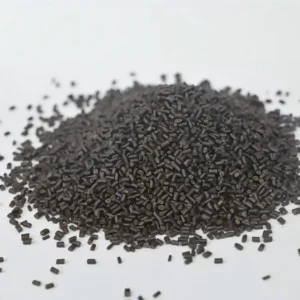
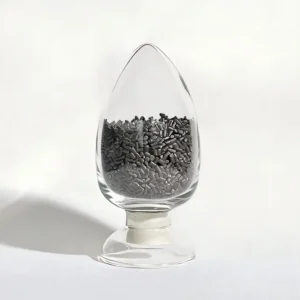
PBI granules, pellets and powder
For development, compounding, molding or sintering-related projects.
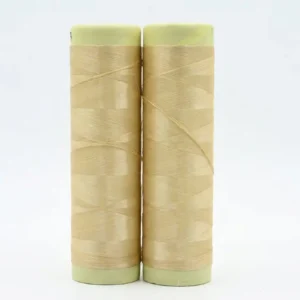
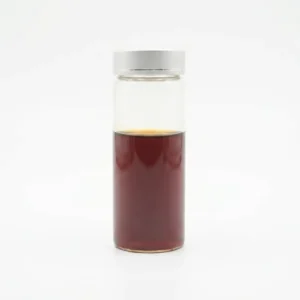
PBI film, membrane, fiber, dispersion and solution products
For selected fuel-cell, protective, electrical and research applications.
Custom-machined PBI components
Produced from drawings, samples or agreed critical dimensions.
What to confirm before requesting a PBI quotation
A useful inquiry normally includes the required form, dimensions or drawing, quantity, application, operating temperature, contact media and any tolerance or surface-finish requirements. For a replacement part, sharing the current material and the reason it is failing can be especially helpful. For new designs, the team can review whether a sheet, rod, pellet, powder or machined PBI part is the most practical starting point.
PBI material selection notes
PBI is not automatically the best answer for every high-temperature plastic project. PEEK, PEI, PI, PPS and other engineering polymers may be more suitable depending on the processing method, service conditions, part geometry and cost target. A clear description of the problem helps narrow the choice early and reduces unnecessary sampling, machining changes and material revisions later in the project.
Common PBI questions
Can PBI be supplied as both stock shapes and finished parts?
Yes. Projects can start with PBI sheets, plates, rods, pellets or powder, or move directly to custom-machined components when a drawing, sample or critical dimensions are available.
What information is needed for a custom PBI part?
Please provide a drawing or sample where possible, along with dimensions, quantity, application, operating conditions and any special requirements for tolerance, surface finish or documentation.
How do I compare PBI with other high-performance polymers?
Compare the full operating conditions rather than one property alone. Temperature, load, friction, chemical exposure, electrical needs, processing route and budget all affect the material choice.
Browse the PBI products below for available starting forms. For a specific application, send the working conditions and part requirements so the material and manufacturing route can be reviewed together.
Discuss Your PBI Requirement