A Finished-Device Approach to PPSU Material Qualification?
Relying only on a polymer's name for medical device qualification is a huge risk. The final part can fail from sterilization and chemical stress, leading to costly problems.
A finished-device approach evaluates the cumulative effects of chemicals, stress, and sterilization on the final product. We recommend examining the specific PPSU grade alongside its fabrication history, using combined-use testing to create evidence-based documentation specific to the application, not just the polymer name.
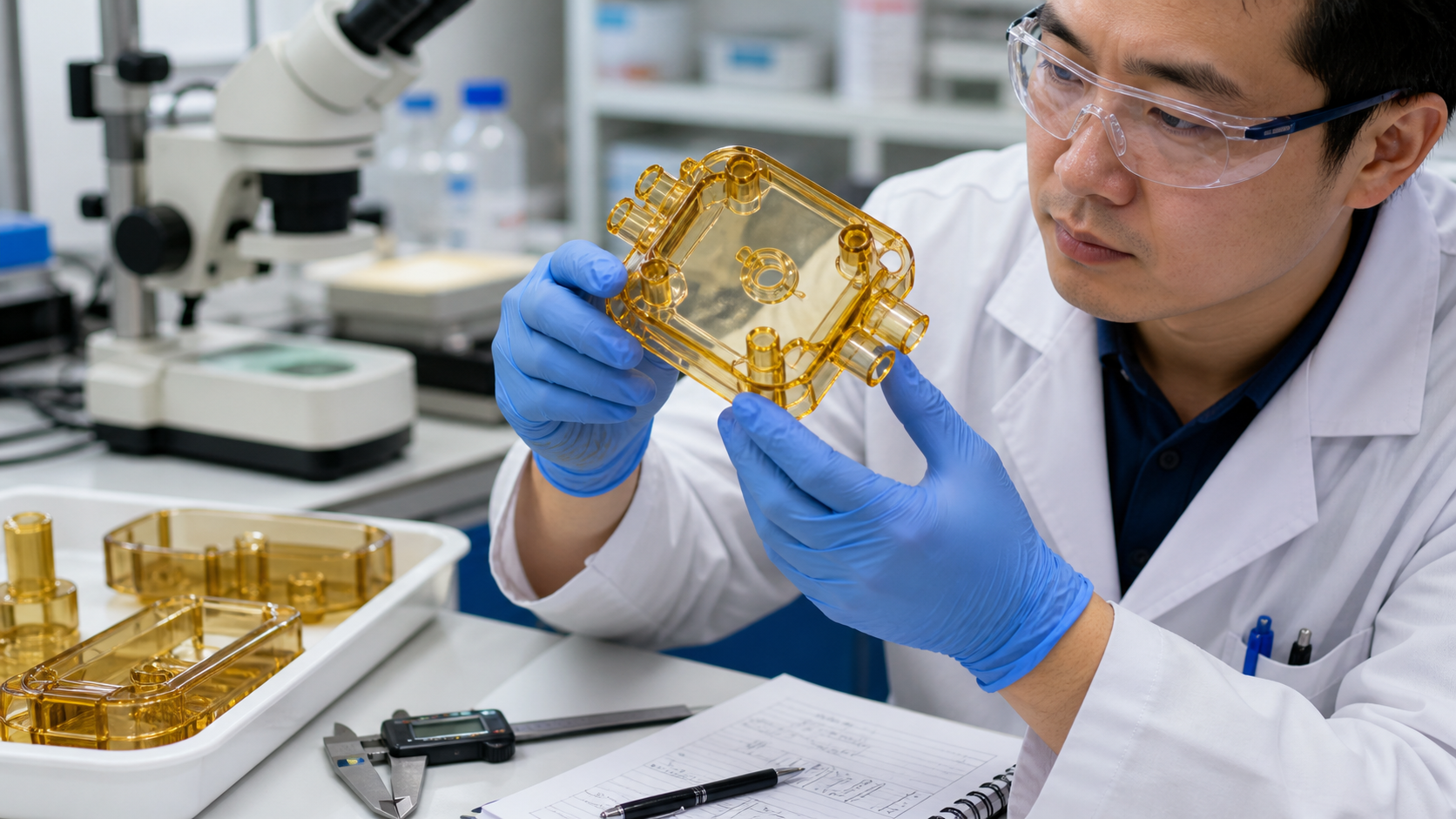
When we talk with engineers about material qualification, the conversation often starts with a generic polymer name. For example, they might say they need a "PPSU part." This is a great starting point, but it's only the beginning of the story. The performance of that final component depends on so much more than the three or four letters in the material's name. It depends on the exact grade from a specific manufacturer, how it was machined or molded, and how it will be cleaned and sterilized over its lifetime. Relying on a datasheet alone is like reading the first chapter of a book and assuming you know the ending. To truly understand if a part will succeed, we need to shift our focus from the raw material to the finished device in its real-world environment. This comprehensive view is what prevents unexpected failures and ensures long-term reliability.
Linking the Device to Its Exact PPSU Grade?
You chose a PPSU for its properties, but different grades exist. Are you sure the datasheet matches the material in your finished device? This gap creates significant risk.
Link the device to its exact grade by demanding full traceability from the raw material supplier. This includes the manufacturer's grade name, batch number, and any specific formulation details. This documentation is the foundation for any meaningful performance testing and regulatory submission.
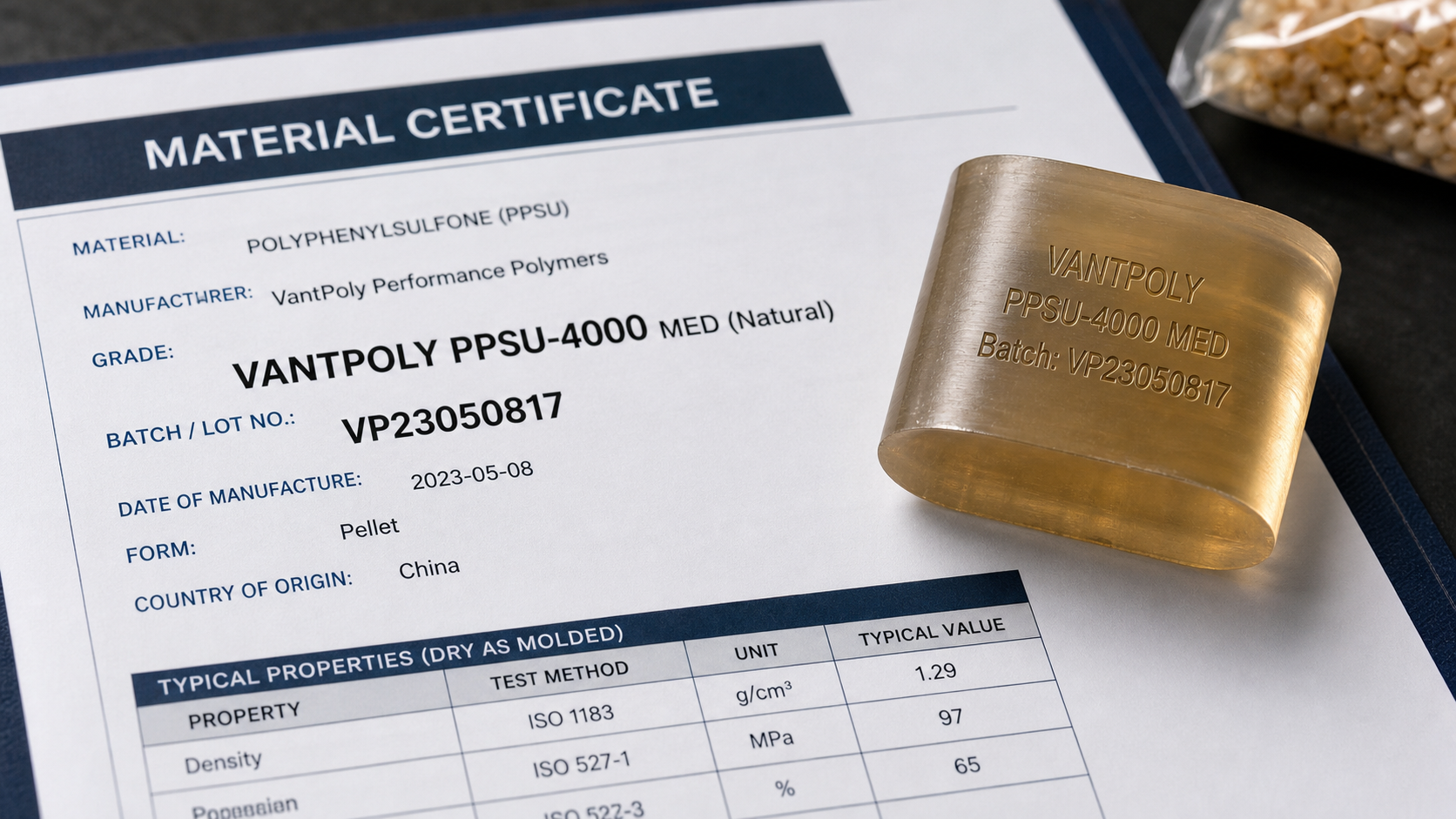
The term "PPSU" refers to a family of polymers, not a single, identical material. Different manufacturers produce grades with variations in molecular weight, processing additives, and even colorants. These subtle differences can have a huge impact on performance, especially in demanding medical or semiconductor applications. A grade optimized for high steam-autoclave resistance might behave differently than one designed for improved chemical resistance to specific cleaning agents. I once worked with a client whose device was failing unexpectedly. It turned out their component supplier had switched to a different PPSU grade that, while chemically similar, had lower resistance to the stress induced by repeated autoclaving. The original qualification data was useless because it was tied to a different material. This is why we insist on complete traceability. The evidence you gather must be tied directly to the exact grade and batch number used in your finished product.
Why Grade-Specific Data Matters
Thinking all PPSU is the same is a common mistake. The manufacturer, specific grade, and even the color can change critical properties. A slight change in the formulation can affect how the material holds up to your specific cleaning and sterilization protocol. Below is a simple table showing how two hypothetical PPSU grades might differ, even though they are both sold as "PPSU".
| Property | PPSU Grade A (Medical/Clear) | PPSU Grade B (Industrial/Black) |
|---|---|---|
| Primary Use | Surgical trays, transparent instrument parts | Manifolds, structural components |
| Key Feature | Optimized for steam sterilization cycles | Enhanced chemical resistance, contains carbon black |
| Potential Conflict | May show lower resistance to certain aggressive cleaning agents | Carbon black additive might affect electrical properties or leachability |
This shows that your testing and documentation must be specific. Your qualification file should be for "Manufacturer X's Grade Y PPSU, Batch Z," not just "PPSU."
Recording Fabrication and Secondary-Operation History?
The raw PPSU met specs, but your machined part is cracking. The fabrication process itself can introduce stress and change material properties, undermining your initial qualification.
Record the full fabrication history, including machining parameters, annealing steps, and any secondary operations like laser marking or bonding. These processes introduce internal stresses and surface changes that are not present in the raw material data sheet but significantly impact final device performance.
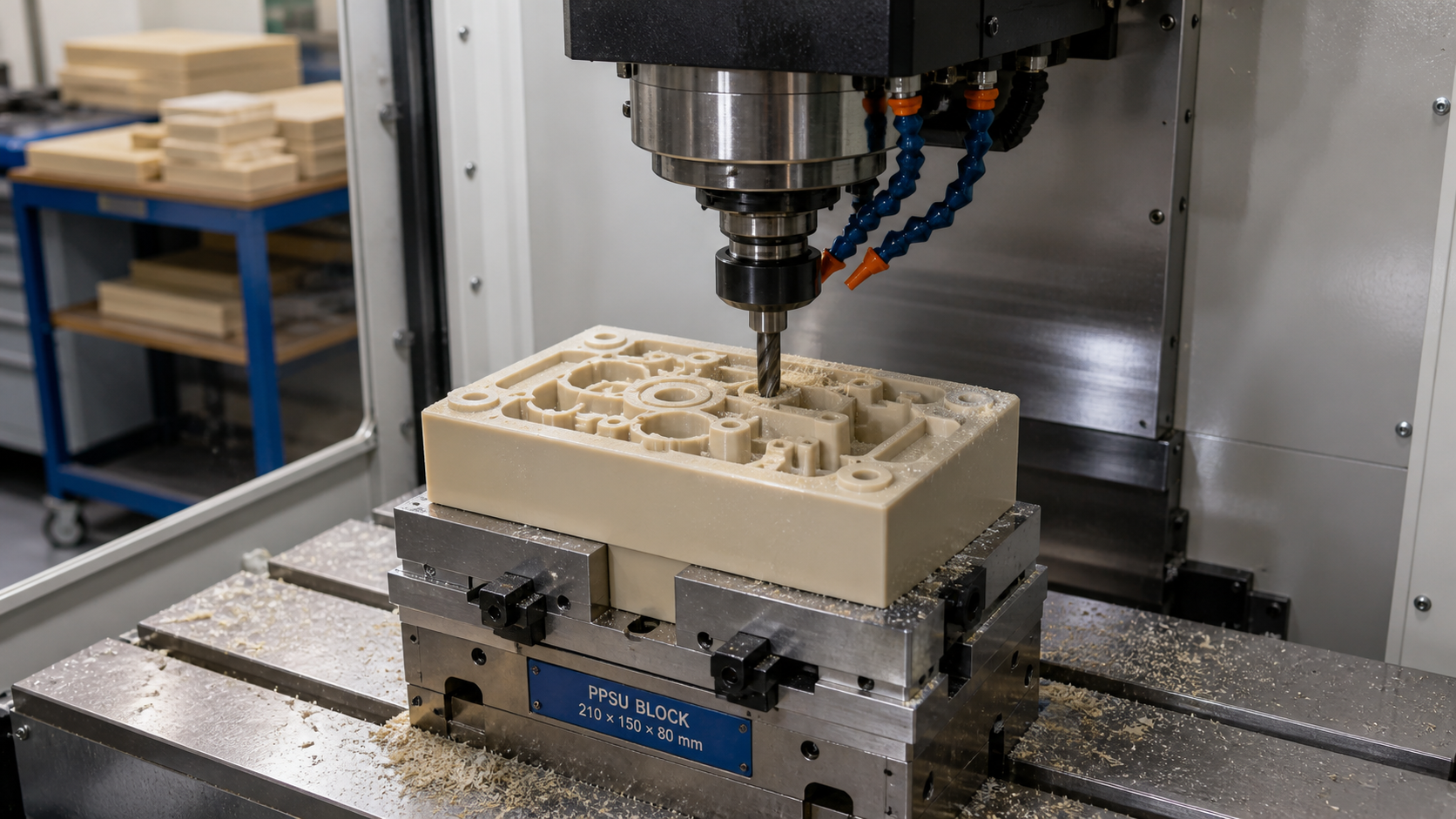
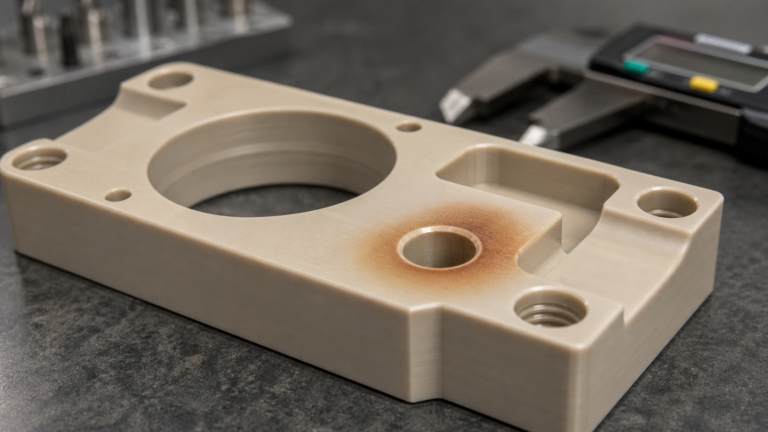
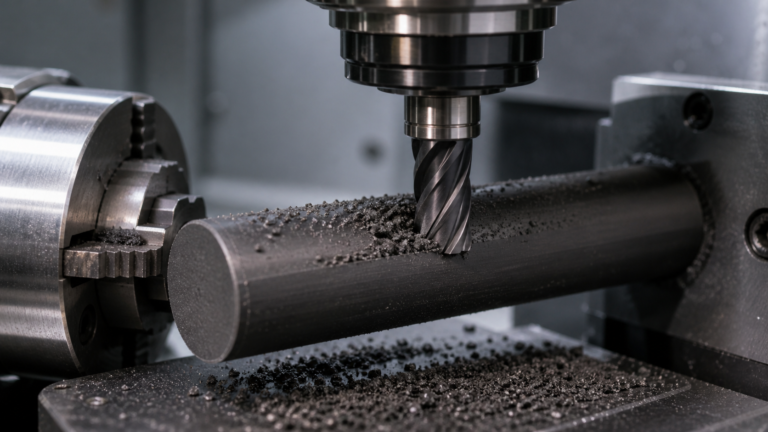
A polymer datasheet describes the material in its ideal, stress-free state. The moment you start cutting, machining, or molding it, you change its properties. Machining, for example, introduces a tremendous amount of stress into the material. If you use dull tools, incorrect feed rates, or inadequate cooling, you can create microscopic cracks on the surface. These cracks become weak points where failures begin, especially when exposed to chemicals or high temperatures. I remember a project where a client's PPSU components were failing in the field. We traced the problem back to their machining process. They weren't using the correct sharp tooling designed for plastics, which was introducing high levels of internal stress. By simply adjusting the machining parameters and adding a post-machining annealing step to relieve that stress, we solved the problem. Annealing is a controlled heating and cooling process that allows the polymer chains to relax, making the part much more stable and resistant to cracking. Every step, from the initial cut to the final polish, becomes part of the component's history and must be documented.
Testing Combined Cleaning, Sterilization and Use?
Your PPSU part passed 100 sterilization cycles. But it failed in the field after just 20 cycles when combined with cleaning agents. Testing in isolation is misleading.
Test the combined effects of cleaning agents, sterilization methods, and mechanical stress simultaneously. This "combined-use" testing simulates the device's actual lifecycle, revealing weaknesses that isolated tests miss. The cumulative damage from this combination is often what causes premature failure.
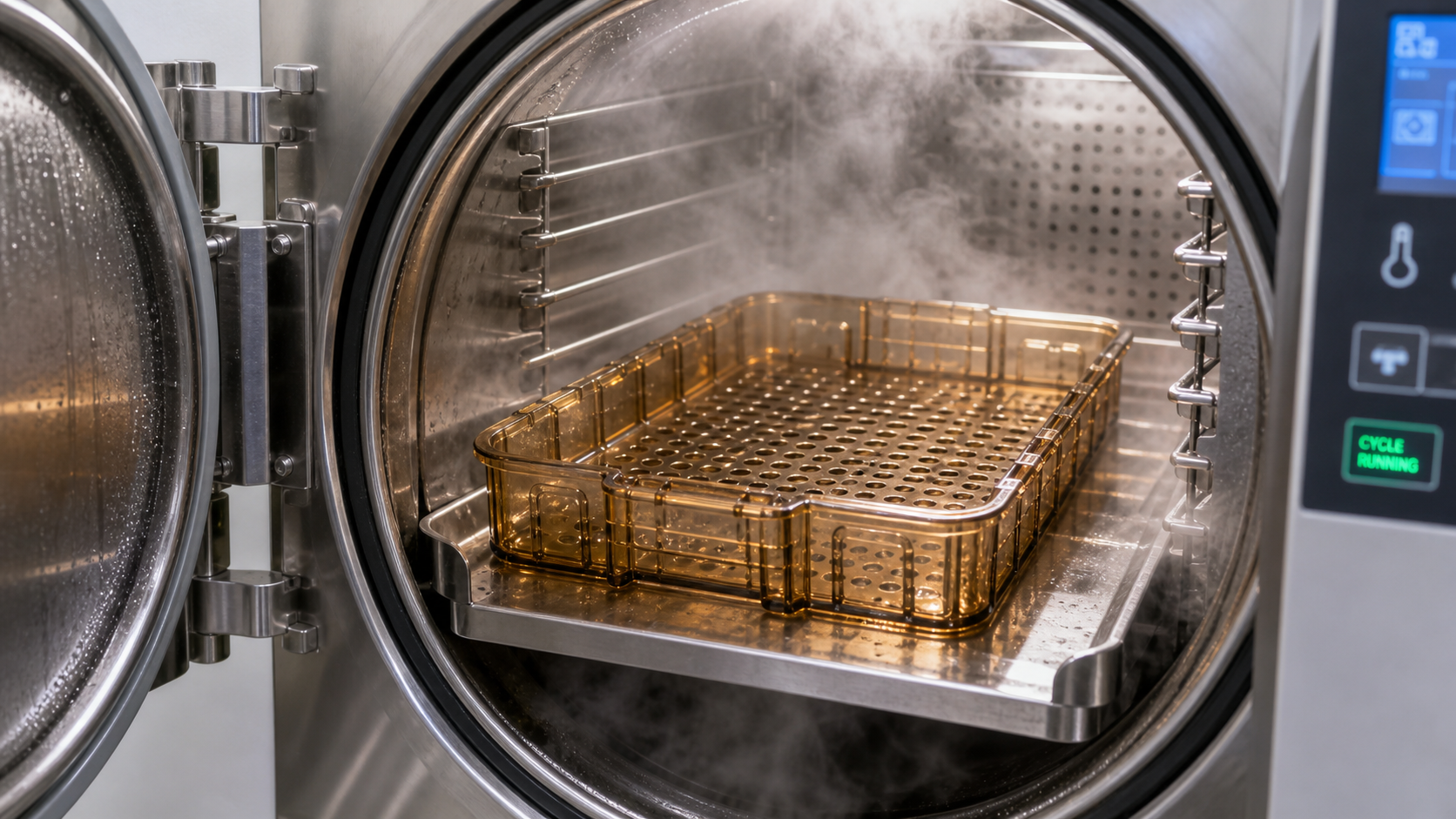
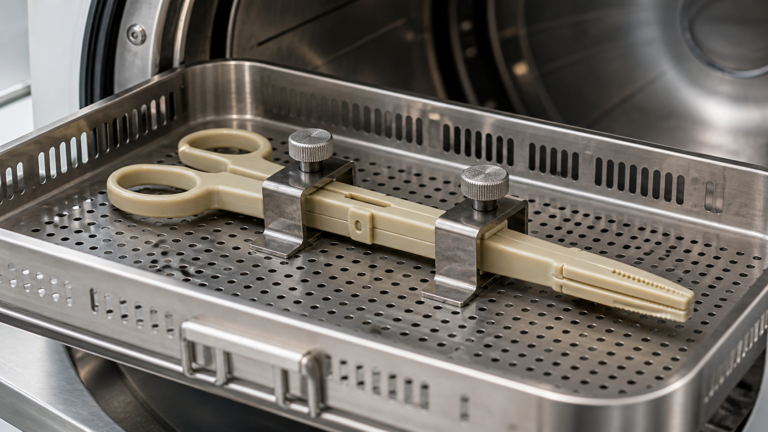
This is one of the most critical points we try to make. Testing one variable at a time does not reflect reality. A medical instrument is not just sterilized. It is used (mechanical stress), then cleaned with chemicals, then sterilized with steam, and this cycle repeats. The real danger lies in the interaction between these factors. This phenomenon is often called environmental stress cracking (ESC). A chemical might be perfectly fine for PPSU on its own. The stress from an assembly screw might also be fine on its own. But when you put the stressed part in contact with that chemical, it can fail almost instantly. We advise our clients to design a test protocol that mimics the entire use cycle. For example, assemble the components to introduce typical stress, expose them to the harshest cleaning agent on your approved list, and then run them through a sterilization cycle. Repeat this process for the expected life of the device. This is the only way to be confident that the part will survive in the real world, not just in a controlled lab test of a single condition.
Keeping the Evidence Specific to the Finished Configuration?
You have a thick binder of material data, but none of it applies to your final, assembled device. This documentation is useless for proving real-world performance or safety.
All qualification evidence must be specific to the finished device configuration. This includes the exact PPSU grade, the specific fabrication process, and the results from combined-use testing. Generic polymer datasheets are starting points, not final proof of suitability.
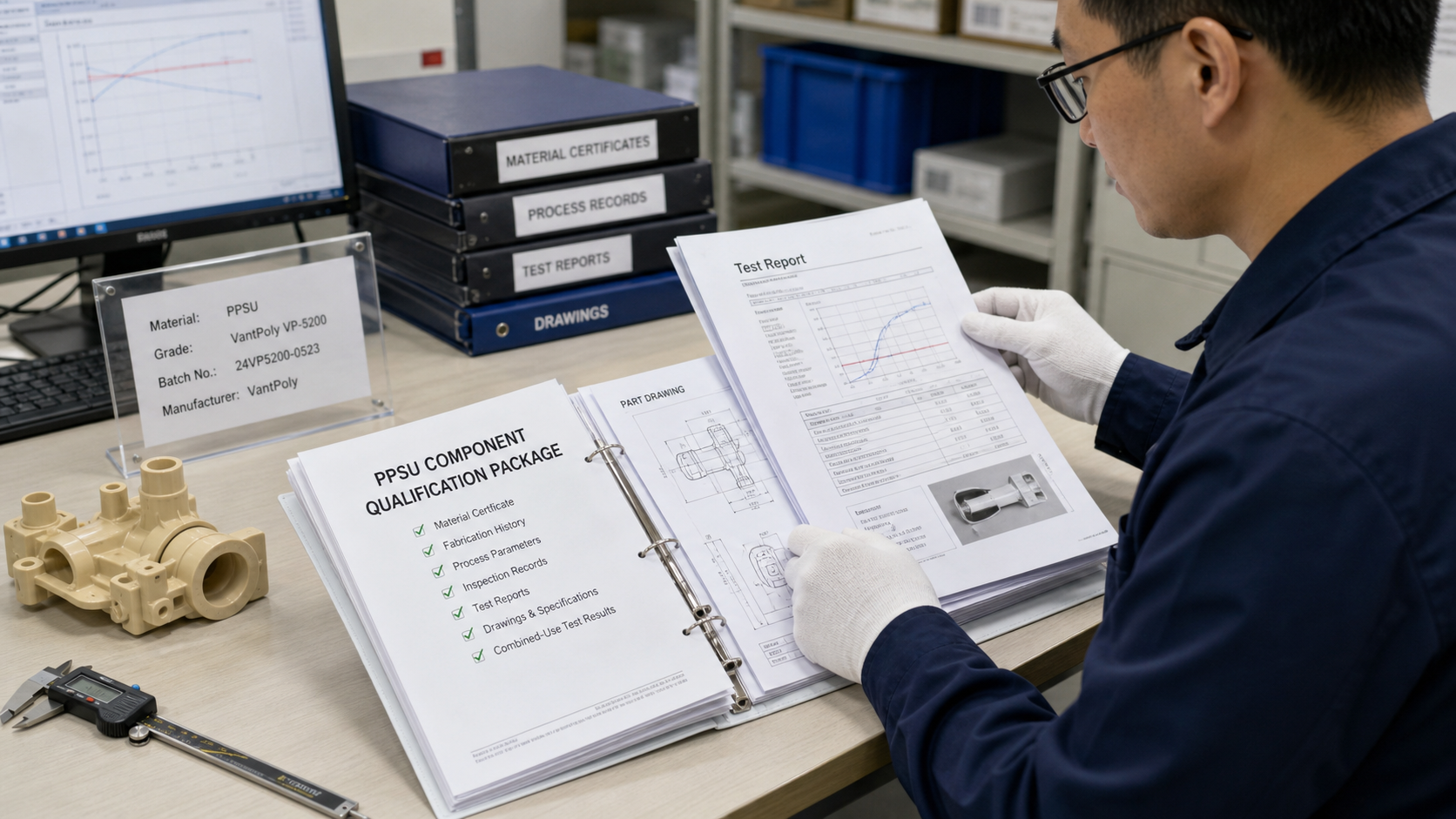
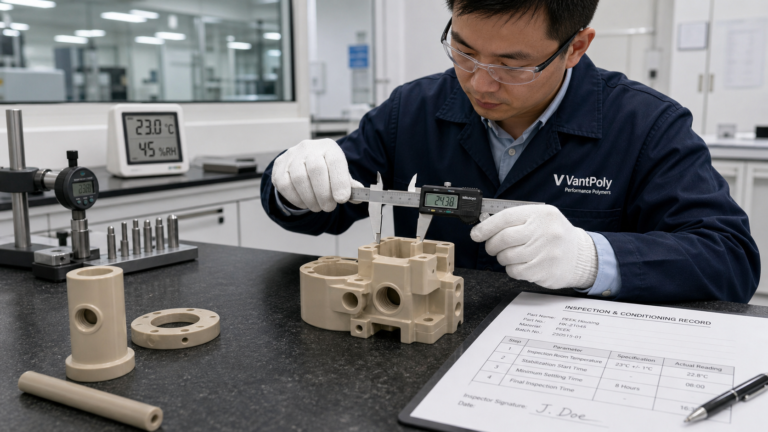
The final qualification package should tell the complete story of your specific component. It's an evidence file for a part number, not just a material name. Think of it this way: the raw material datasheet is the character biography, but your testing on the finished part is the actual story of what that character does. This file should contain the material certificate linking it to the exact grade and batch. It should detail the fabrication and annealing processes used. Most importantly, it should include the results of your combined-use testing on the final part. This creates a direct, unbroken chain of evidence from the raw polymer pellet to the proven performance of the finished device. If anything in that chain changes—a new material supplier, a different machining coolant, a revised cleaning protocol—the evidence is no longer valid. You must re-evaluate the impact of that change. Our role is not to generate this data for you, but to provide the traceable materials and processing support you need to build this evidence file with confidence.
Conclusion
Focus your PPSU qualification on the finished device. Link the grade, fabrication, and combined-use testing to create specific, reliable evidence for your exact application and its lifecycle.