Why Can Two Shops Report Opposite PEI Warpage Results?
Your PEI parts are warping, but only at one machine shop. The other shop says they're perfectly stable. You're caught in the middle, wasting time and money.
The difference often comes from subtle variations in the PEI grade, stock history, machining strategy, and even how the parts are fixtured and inspected. It is rarely just one single cause, but a combination of factors that leads to different results between two suppliers.
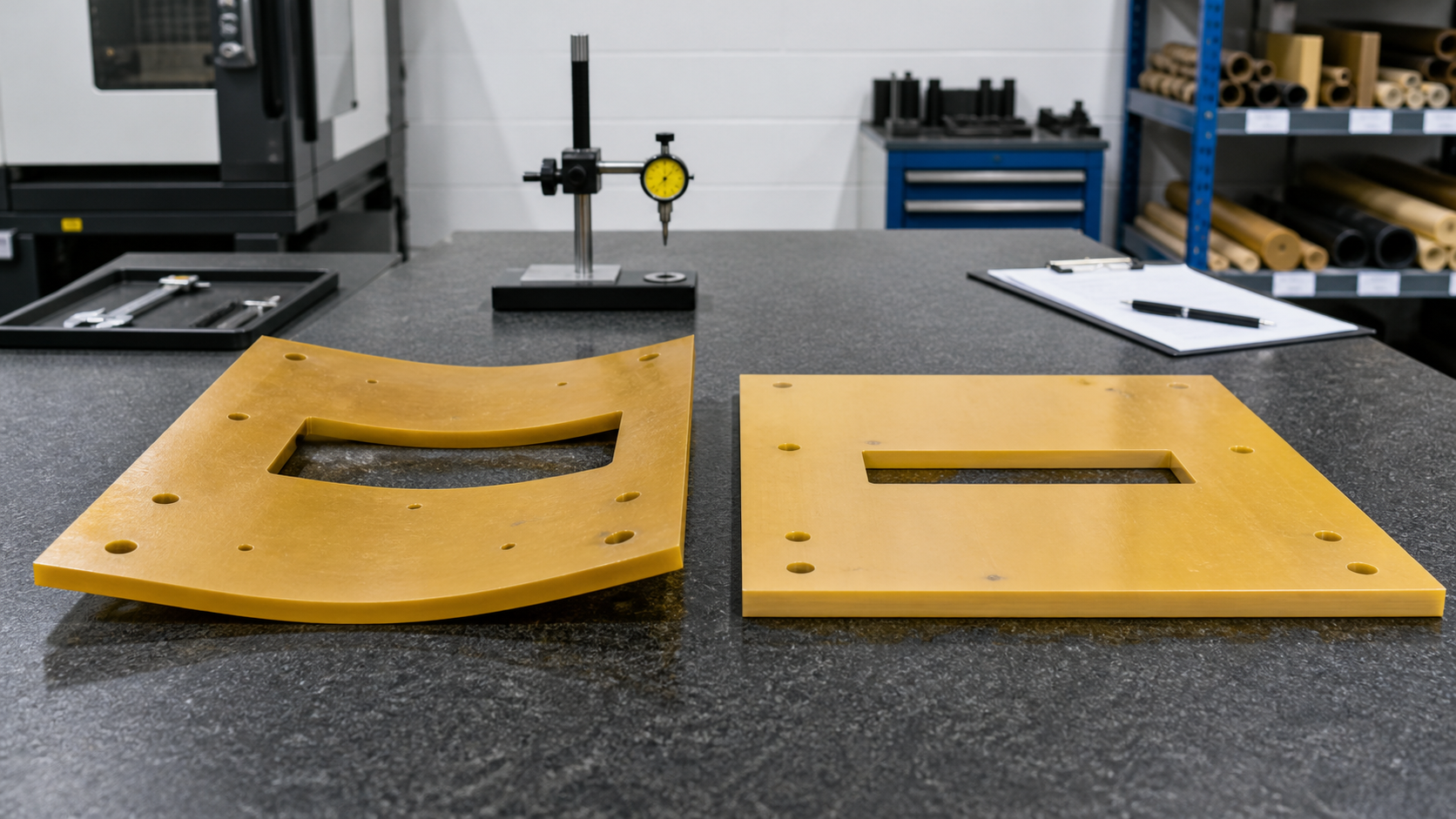
I see this situation happen more often than you might think. A client will call me, completely frustrated, because they have two conflicting reports about the stability of their PEI components. They specified the same material and sent out the same drawing, yet the outcomes are worlds apart. It's easy to blame one shop or the other, but the real answer is usually hidden in the details of the material and the process. To solve the puzzle, we have to look beyond the polymer name and investigate the entire manufacturing chain, from the raw material to the final inspection. Let's walk through the steps I take to get to the bottom of it.
Confirming That the Shops Used the Same PEI Grade?
You wrote "PEI" on the drawing, thinking that's specific enough. But what if one shop used a different grade than the other, creating a hidden variable?
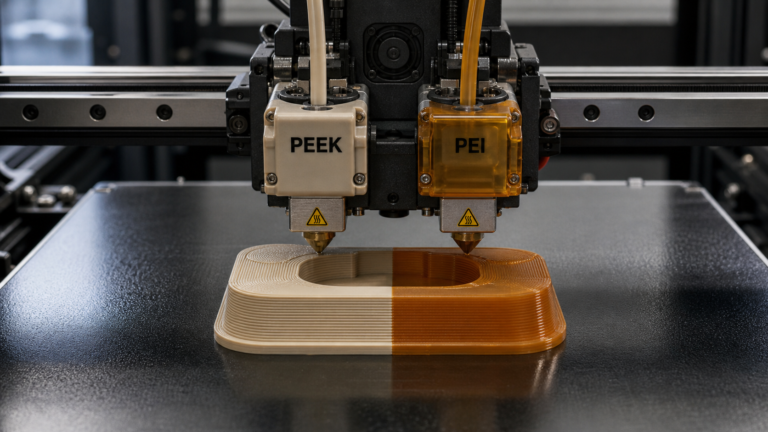
Different PEI grades, such as unfilled, glass-filled, or carbon-filled, have vastly different internal stress levels and machining characteristics. Simply calling it "PEI" isn't specific enough and can easily lead to opposite warpage results between shops using different stock material.
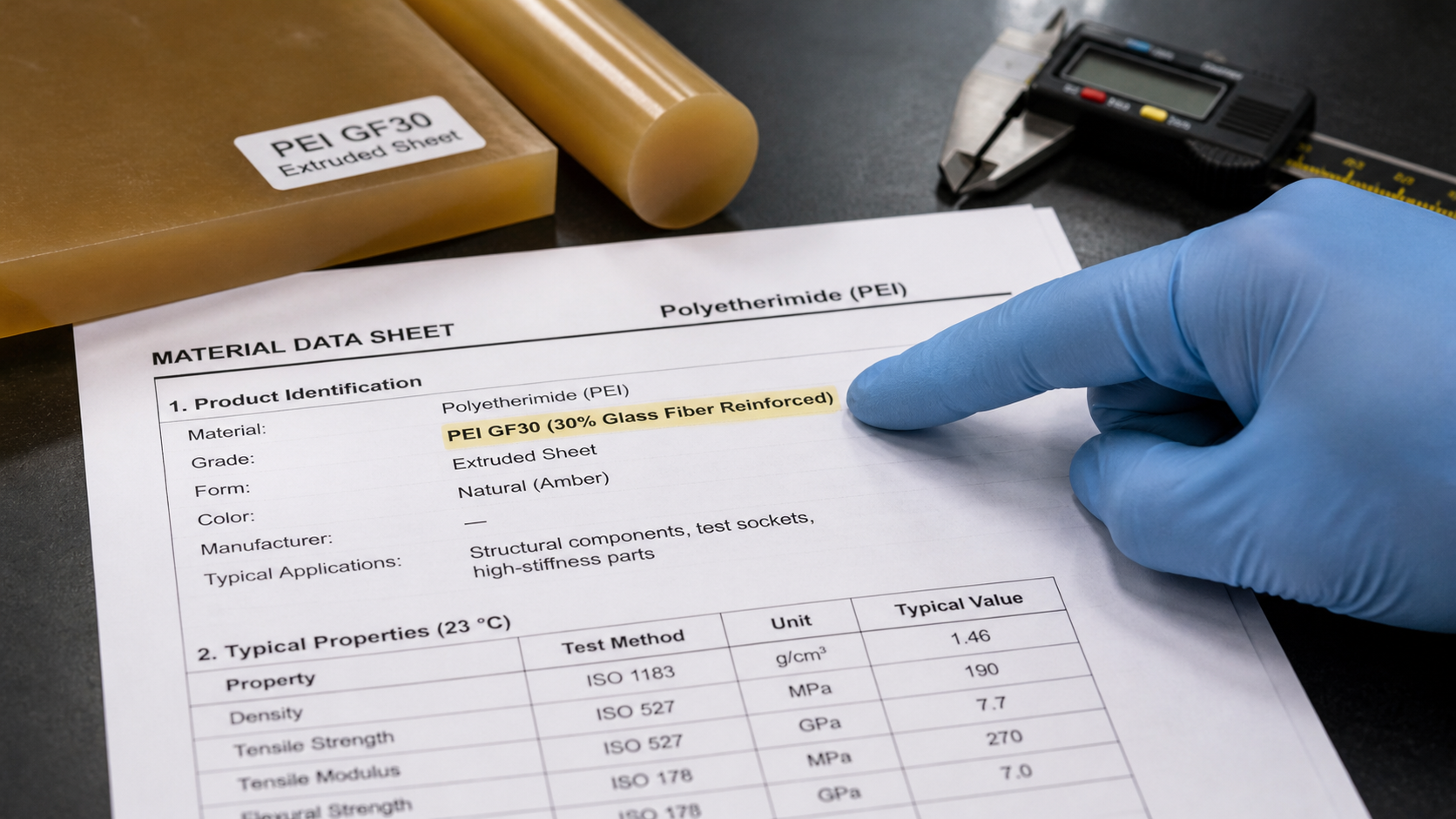
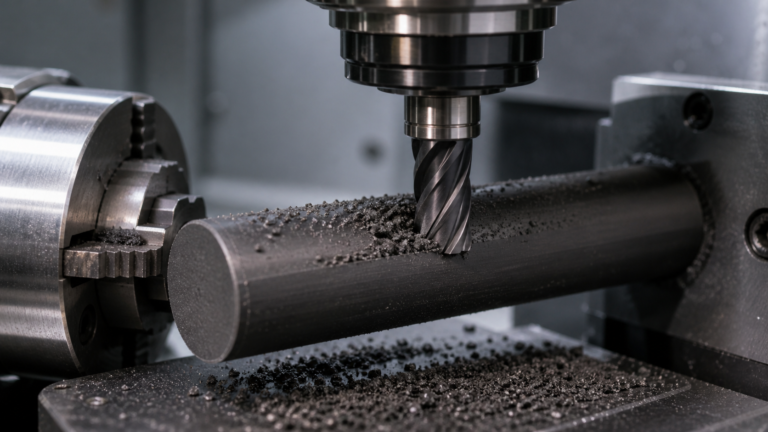
The first thing I always ask is, "Which exact grade of PEI are they using?" The term "PEI" is a family name, like saying you want a "metal" part. Just as steel is different from aluminum, an unfilled PEI is very different from a glass-filled one. Fillers like glass or carbon fiber dramatically change how the material behaves. They increase stiffness and strength, but they can also create more internal stress during the extrusion of the stock shape. This stress is just waiting to be released during machining. We always push for an evidence-based decision by comparing the details, not just the name.
Beyond the Name: Grade-Specific Properties
To make this clear, I put together a simple table showing how different grades can be. When we don't specify the grade, we leave the choice up to the supplier, who may choose based on availability or cost, not performance.
| Property | Unfilled PEI | 30% Glass-Filled PEI | Bearing-Grade PEI |
|---|---|---|---|
| Stiffness (Modulus) | High | Very High | High |
| Machinability | Good, but can be gummy | Abrasive, requires specific tooling | Excellent, often improved chip control |
| Internal Stress Risk | Moderate | High | Moderate to Low |
| Typical Application | Insulators, general parts | Structural components, test sockets | Bushings, wear pads |
As you can see, a shop using a 30% glass-filled PEI is dealing with a much higher risk of internal stress than one using an unfilled or bearing grade. Without confirming the exact grade from both shops, we are not comparing the same thing.
Comparing Thickness, Pockets and Stock History?
The parts look identical, so they should behave the same, right? But the material's history and the part's geometry can hide deep-seated problems that lead to warpage.
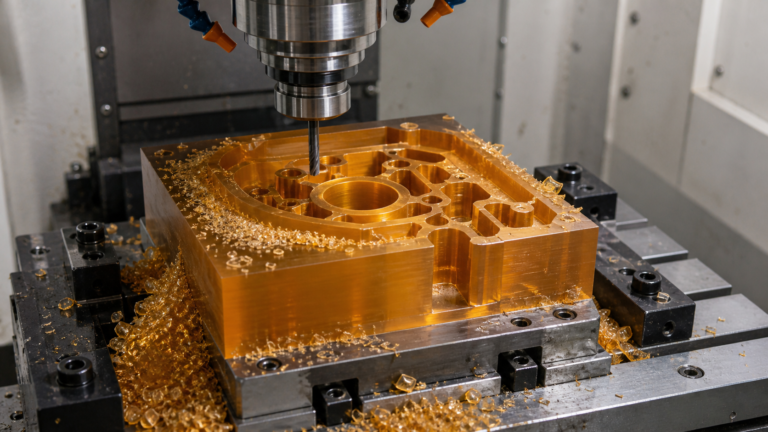
A part with deep, one-sided pockets will warp more than a balanced design. The original stock's thickness and annealing history also matter. A thicker plate has more internal stress, which is released during machining, causing bowing.
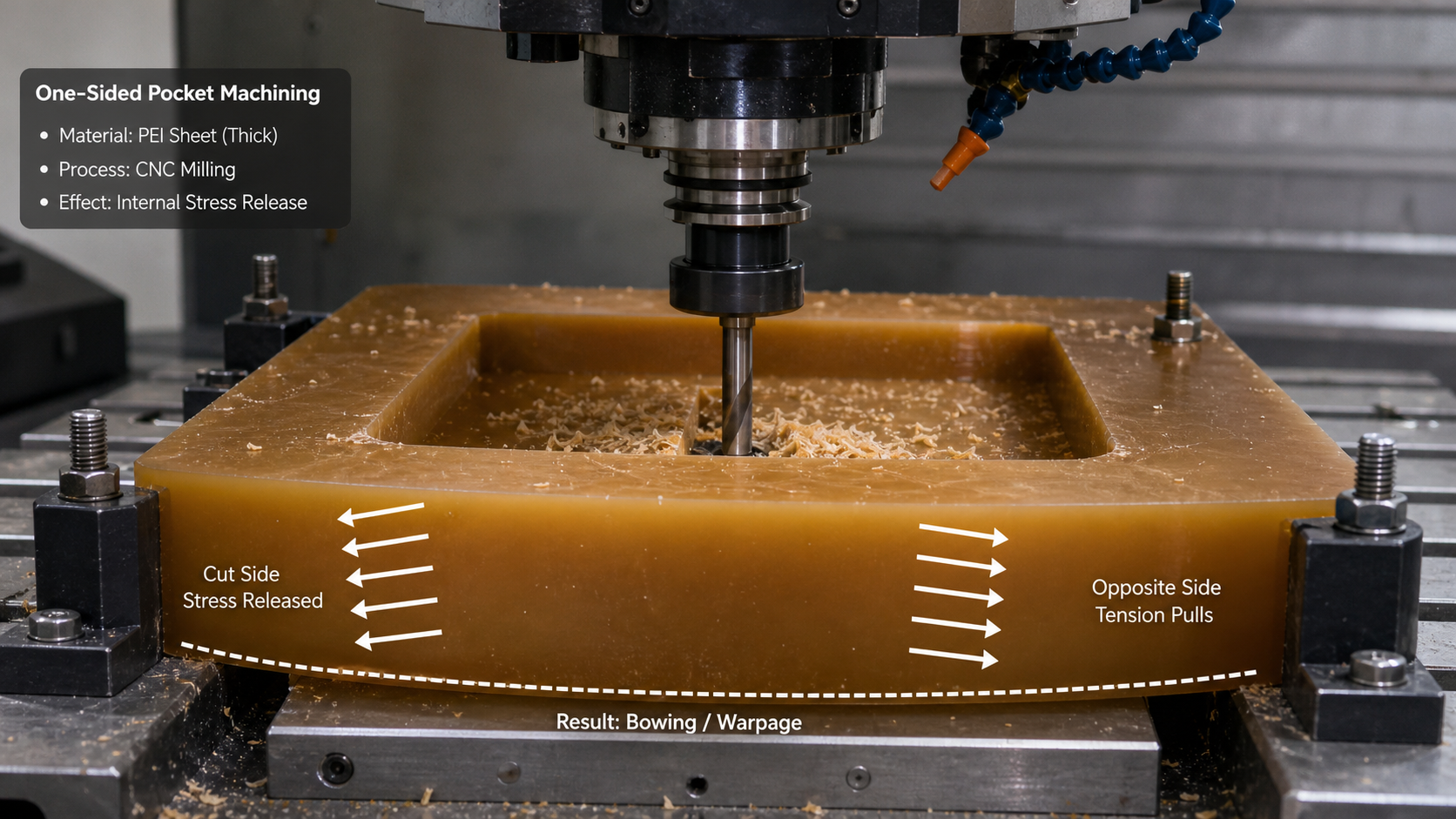
When a plastic shape like a sheet or rod is made, it cools from the outside in. This uneven cooling locks stress into the material, especially in thicker sections. Think of it as a tightly wound spring. When a machinist cuts into one side of the plate, they cut those "springs," releasing the tension on that side. The tension on the opposite side then pulls the material, causing it to bow or warp. This is why a part with a deep pocket machined into only one face is a prime candidate for warpage. The solution is often to use balanced cuts, where a small amount of material is removed from one side, then the part is flipped, and a similar amount is removed from the other side. This process is repeated until the final thickness is reached, keeping the stress release symmetrical and the part flat. We also always investigate the stock history, as a properly annealed plate will have much lower internal stress to begin with.
Matching Fixture and Inspection Conditions?
One shop's report says the part is flat, while the other says it's bowed. Could they both be telling the truth, depending entirely on how they measured it?
How a part is held, or fixtured, during machining and inspection can hide or reveal warpage. A part clamped flat in a vise or on a vacuum table will appear stable, but it may spring back into a warped shape once that force is released.
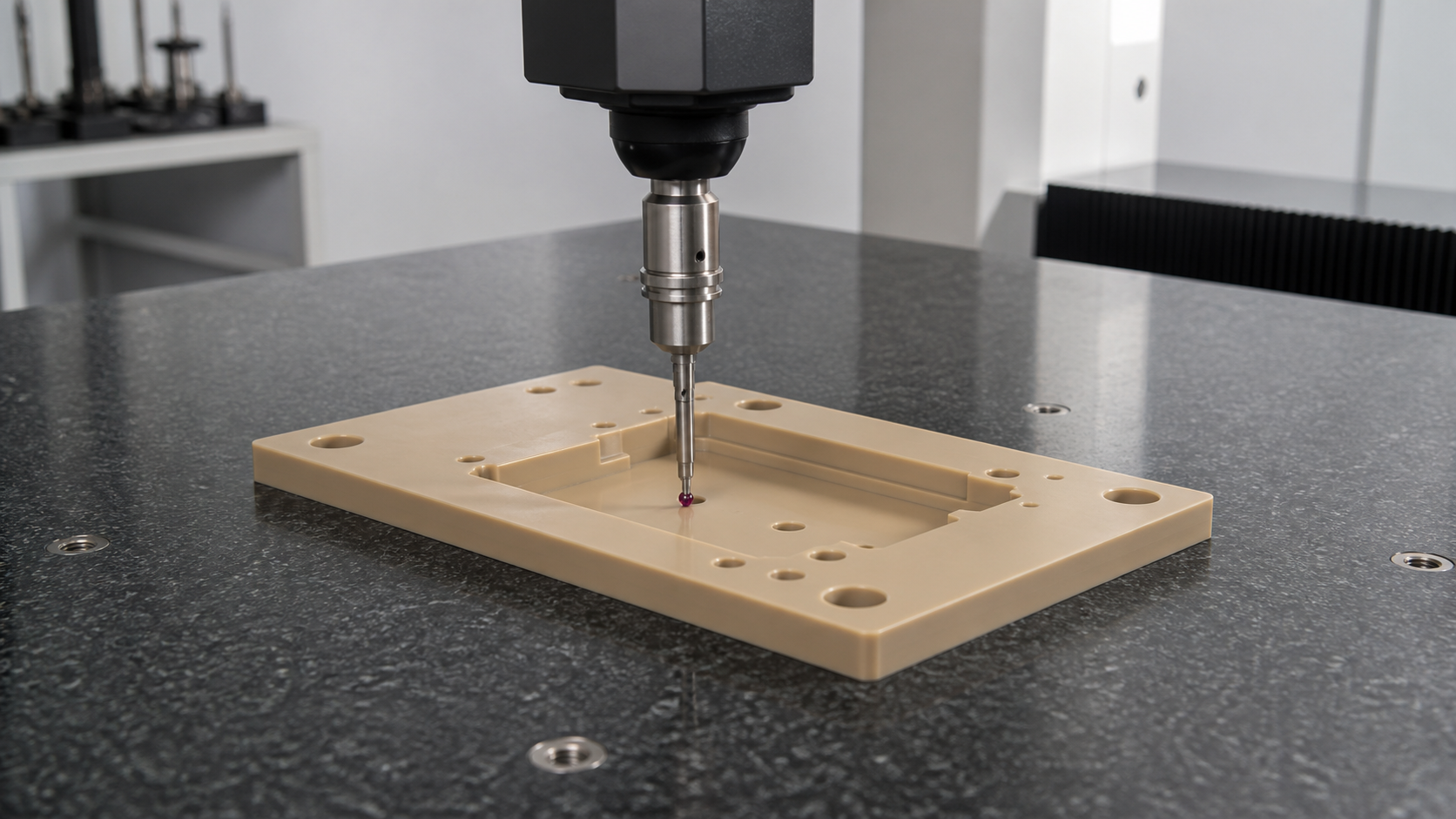
This is a classic issue I've seen many times. A shop might use a powerful vacuum chuck to hold the PEI plate down for machining. The vacuum is strong enough to pull a slightly bowed plate perfectly flat against the machine bed. They machine the features, and everything looks great. But as soon as they turn off the vacuum, the internal stress is released, and the part springs into a warped shape. The shop that reported the part was flat might have inspected it while still clamped in the fixture. The shop that reported warpage likely inspected it in a "free state," meaning it was resting on a surface plate without any clamping forces. To get a true picture, the inspection conditions must be identical. We always advise our clients to specify a free-state inspection on a granite surface plate to get the most accurate measurement of flatness and stability. This way, you're measuring the true shape of the part, not the shape it's being forced into.
Explaining Why One Shop's Result May Not Transfer?
You finally found a shop that can make your PEI parts flat. Can you just send their successful process to another shop and expect the same perfect result?
A successful process is a unique recipe combining the right material grade, a specific machining strategy, proper tooling, and controlled conditions. This recipe is not easily transferred because another shop will have different machines, tools, or operator habits.
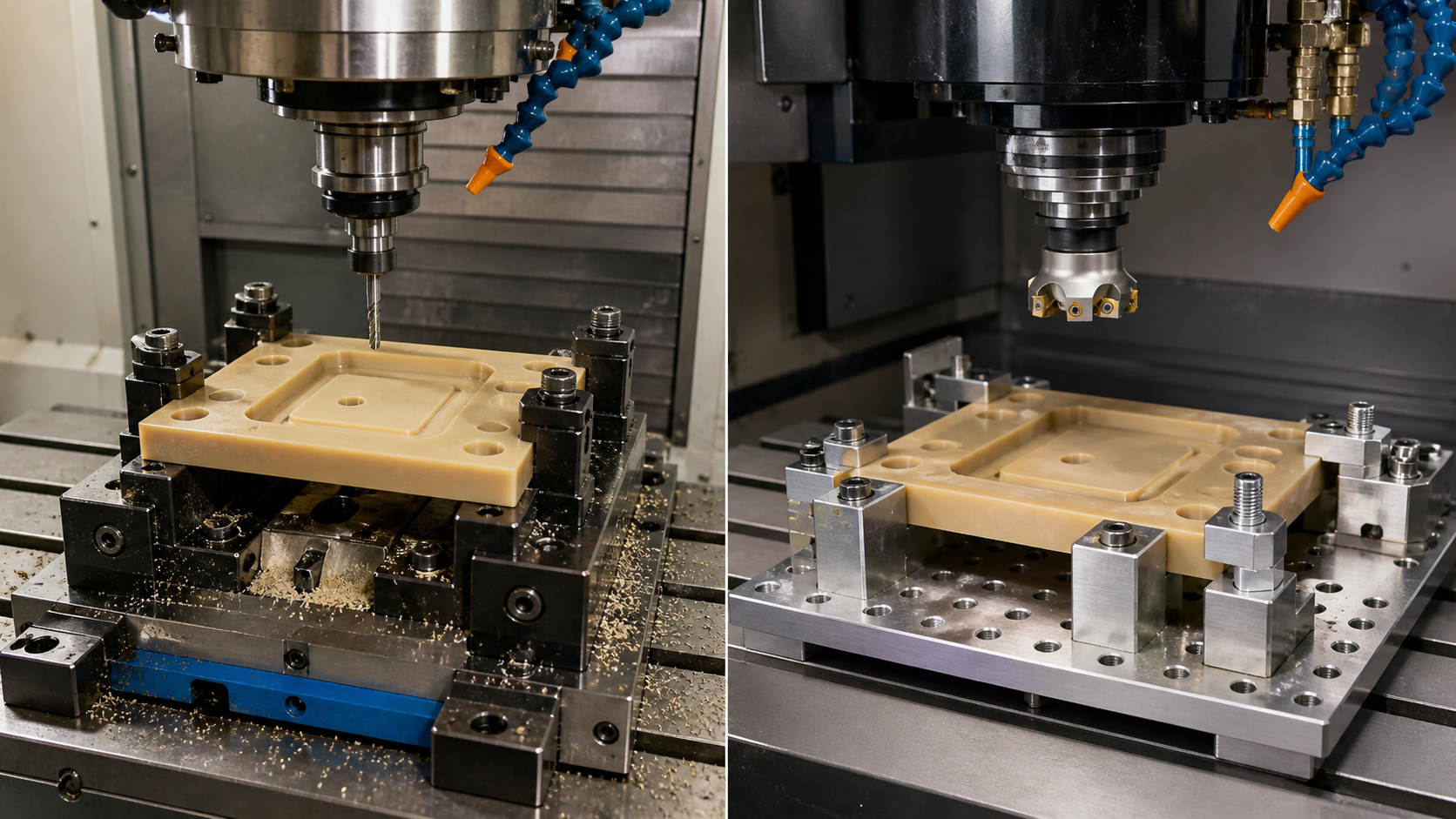
The success of one shop often comes down to their specific "tribal knowledge." The machinist might be using a specific type of cutter that's exceptionally sharp, or they might have a feel for the right speeds and feeds to minimize heat and stress. They might use a multi-step process with roughing and finishing passes, allowing the material to rest and stabilize in between. This entire system—the machine, the tools, the coolant, the clamping method, and the operator's experience—creates the successful outcome. Simply sending a document with cutting parameters to another shop rarely works. Their machines have different levels of rigidity, their tools might be from a different manufacturer, and their operators have their own techniques. This is why we treat any proposed remedy as anecdotal until it's proven. We recommend an evidence-based approach: work with a new supplier to run a small trial, confirming that the proposed remedy works for your specific grade and their unique process.
Conclusion
When PEI parts warp, don't just blame the polymer. Investigate the grade, geometry, stock history, and machining and inspection methods to find the true, evidence-based cause of the problem.