How Do We Build a Process Card Around the Exact Engineering Resin?
Your process card just says "PEEK." But which PEEK? A subtle grade change can ruin an entire production run. We need a more precise system to ensure quality.
Build your process card around the full manufacturer grade code, not just the polymer name. Link specific drying protocols, validated machine settings, and revision controls directly to that exact material.
When we work with high-performance polymers like PEEK or PEI, we see firsthand how a generic setup sheet fails. A processor might set up a job for "PEEK," but the new batch is a different viscosity grade from the last one. Suddenly, parts are flashing or showing short shots. The root cause isn't the machine or the operator; it's the documentation. The process card wasn't specific enough. It didn't account for the subtle but critical differences between material grades. We treat this discussion as anecdotal and would always independently confirm any proposed remedy for a specific grade. True process control starts with treating each grade as a unique material, which means building our documentation around its specific identity and needs.
Putting the Complete Grade Code on the Process Card?
A process card simply listing "PPS" or "PEI" is a recipe for inconsistency. Different grades of the same polymer can have vastly different processing requirements, leading to unexpected defects.
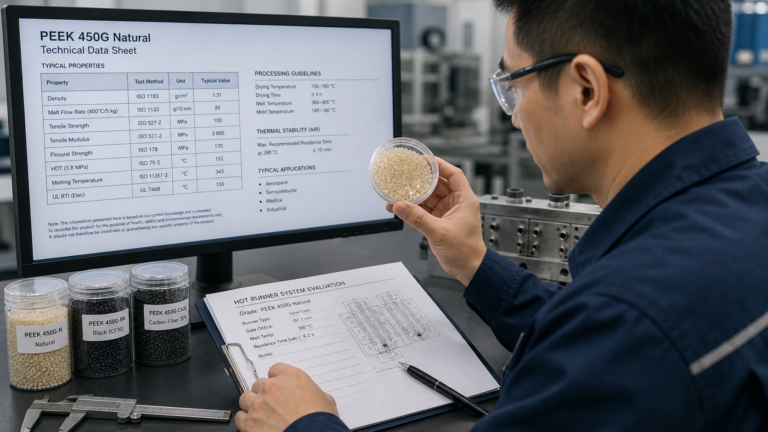
Always record the full manufacturer's grade code, including all suffixes for fillers, color, and special additives. This ensures the correct processing parameters are used every single time.
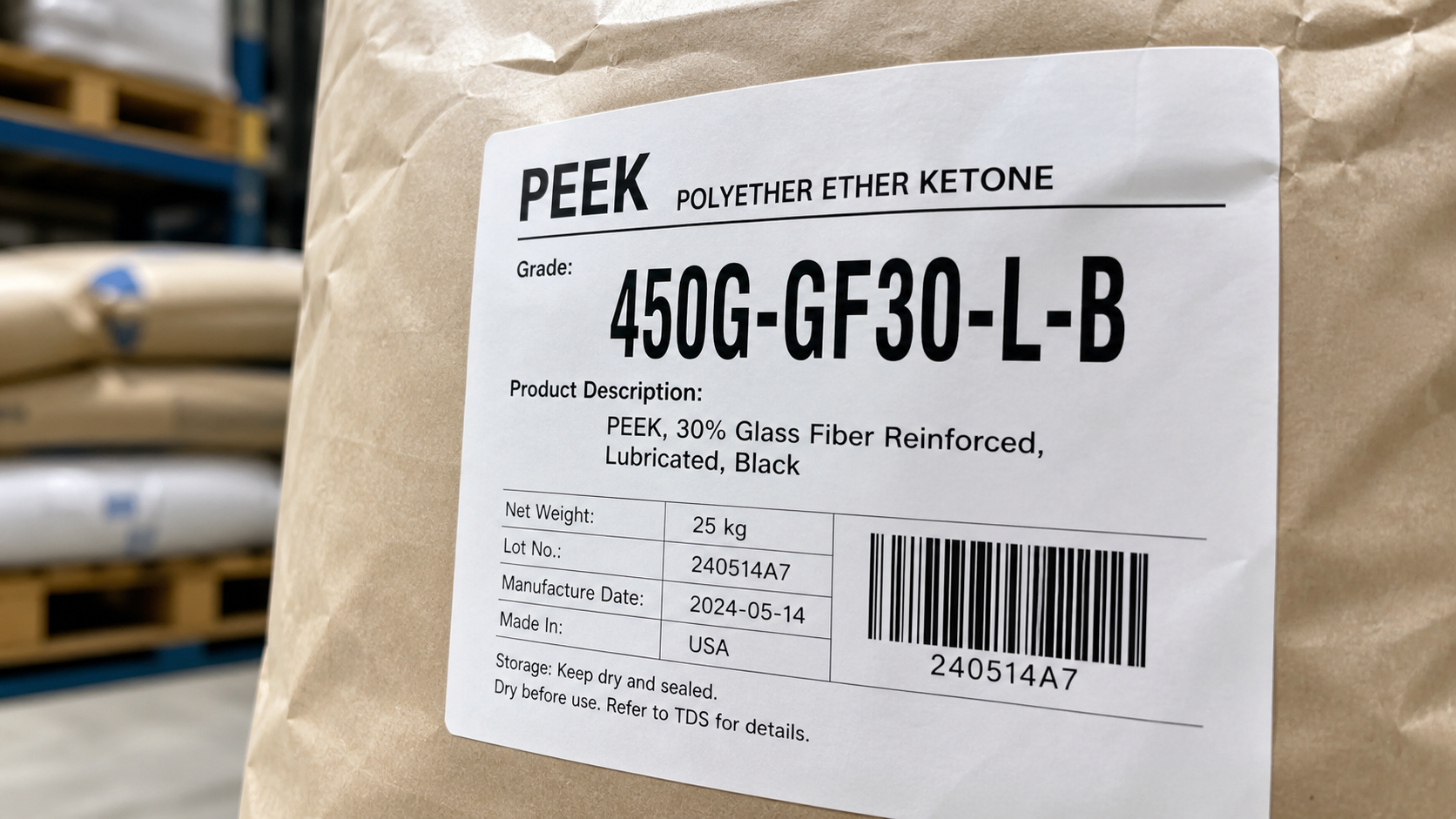
We give specific transitions and viscosity more weight than the broad amorphous-versus-semicrystalline label. A polymer family name is just the starting point. The real workhorse of a process card is the complete grade code. This string of letters and numbers tells the whole story: the base resin, the melt flow, the type and percentage of reinforcement, and any special additives. For example, a PEEK grade for machining might be very different from one designed for injection molding thin-walled parts. I remember a case where a customer switched from a standard PPS to a glass-filled grade. The old process card was used, and the result was excessive tool wear and inconsistent parts because the settings didn't account for the abrasive nature of glass fibers.
Why Suffixes Matter
The letters and numbers after the base polymer name are not optional details. They define the material's behavior. A small change in a suffix can mean a big change in processing.
| Suffix Example | What It Often Indicates | Processing Implication |
|---|---|---|
| -GF30 | 30% Glass Fiber Reinforcement | Higher melt temperature, increased abrasiveness, potential for warpage if not controlled. |
| -CF10 | 10% Carbon Fiber Reinforcement | Higher thermal conductivity, potential for static buildup, requires different mold temperatures. |
| -L | Lubricated (e.g., PTFE) | Lower injection pressure needed, potential for plate-out on the mold surface. |
Putting the full code on the process card makes shop-floor documentation an evidence-based decision rather than a guess based on just a polymer name.
Linking Drying Requirements to Material Handling?
Many engineering polymers are hygroscopic, meaning they absorb moisture. Processing "wet" resin leads to splay, brittleness, and weak parts, wasting material and time.
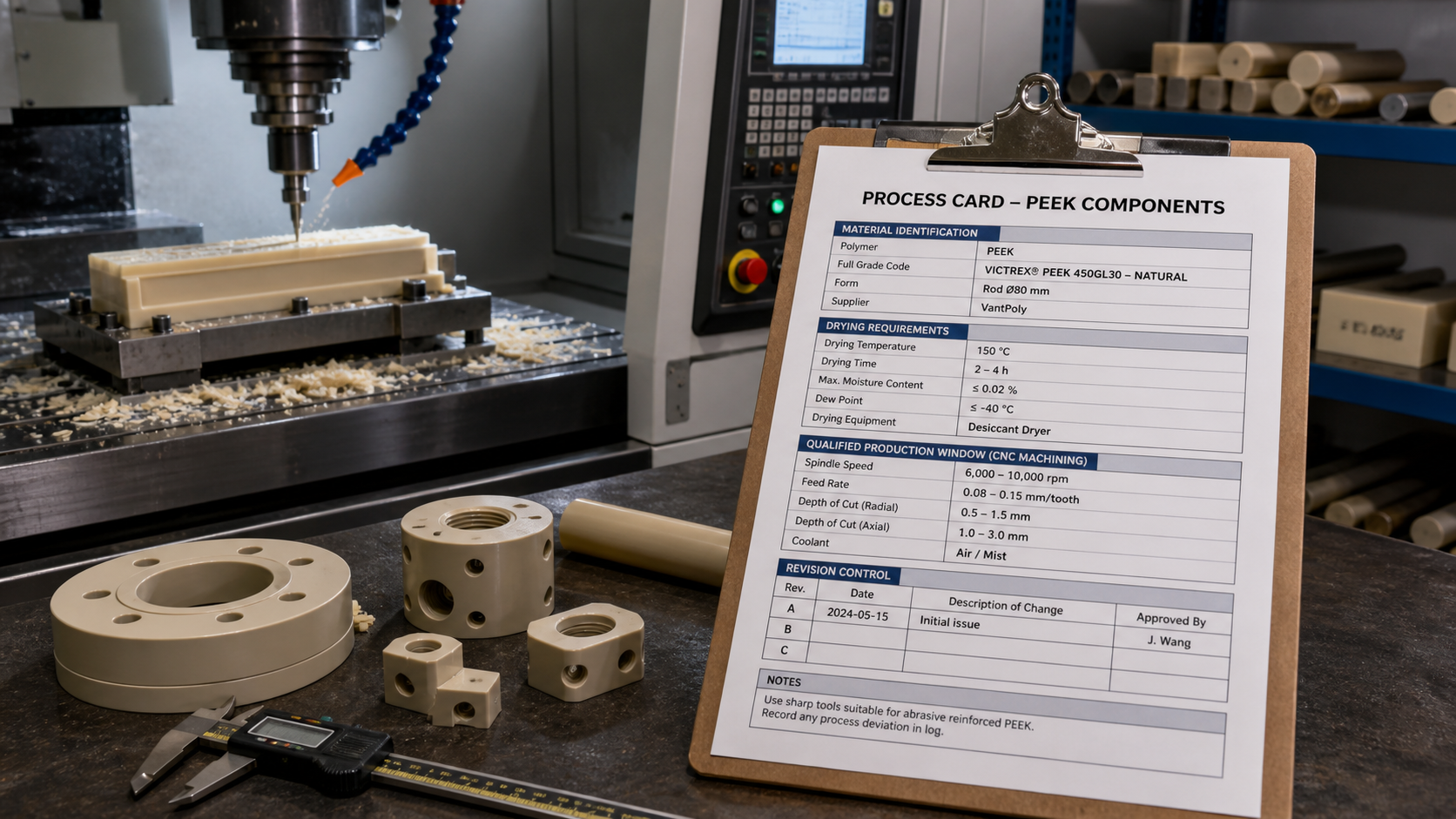
The process card must specify the exact drying temperature, time, and dew point for that specific grade. This information should be linked directly to material handling procedures and equipment.
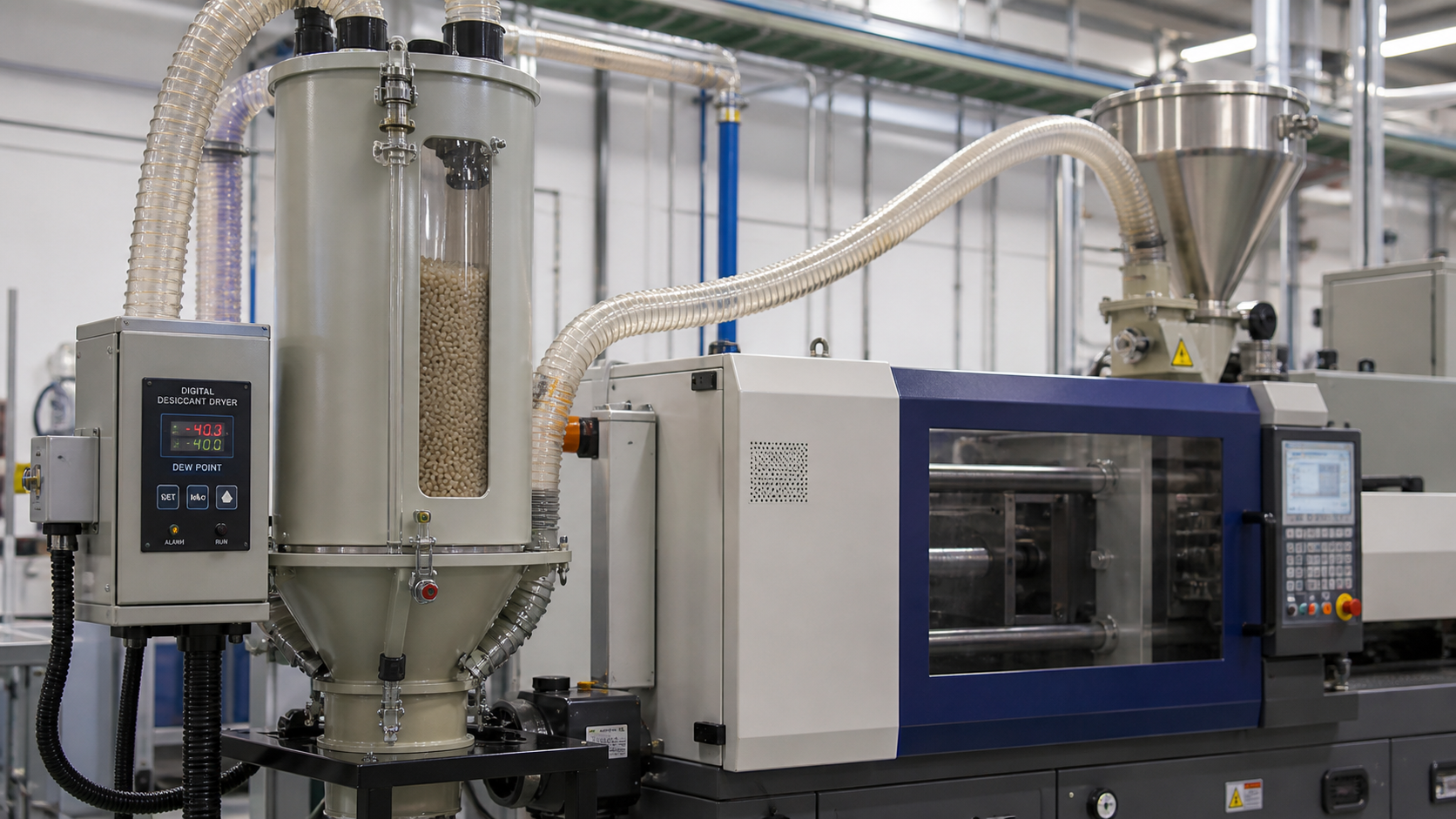
We've seen how critical proper drying is for materials like PEI and PPSU. Simply putting resin in a dryer is not enough. The process card needs to be the central document that dictates the entire material handling workflow for that grade. It should answer key questions for the operator. How long does this specific grade of PPS need to dry? At what temperature? What is the maximum allowable moisture content before processing? We link these requirements directly to the grade code. This turns the process card into a practical guide. It connects the polymer's datasheet to the actual equipment on the floor—the dryer, the hopper, and the feeding lines. This ensures that the material arriving at the machine's feed throat is in the ideal condition for molding or extrusion, preventing a whole category of moisture-related defects before they can even happen. I recommend regular checks of the dryer's dew point to make sure the equipment is performing as expected.
Recording Settings From the Qualified Production Window?
Using generic settings from a datasheet is a starting point, not a solution. These values don't account for your specific machine, mold, or environmental conditions, which can lead to a long setup time.
Document the specific, stable settings from your qualified production runs. Record the upper and lower limits for critical parameters like melt temperature, injection pressure, and mold temperature.
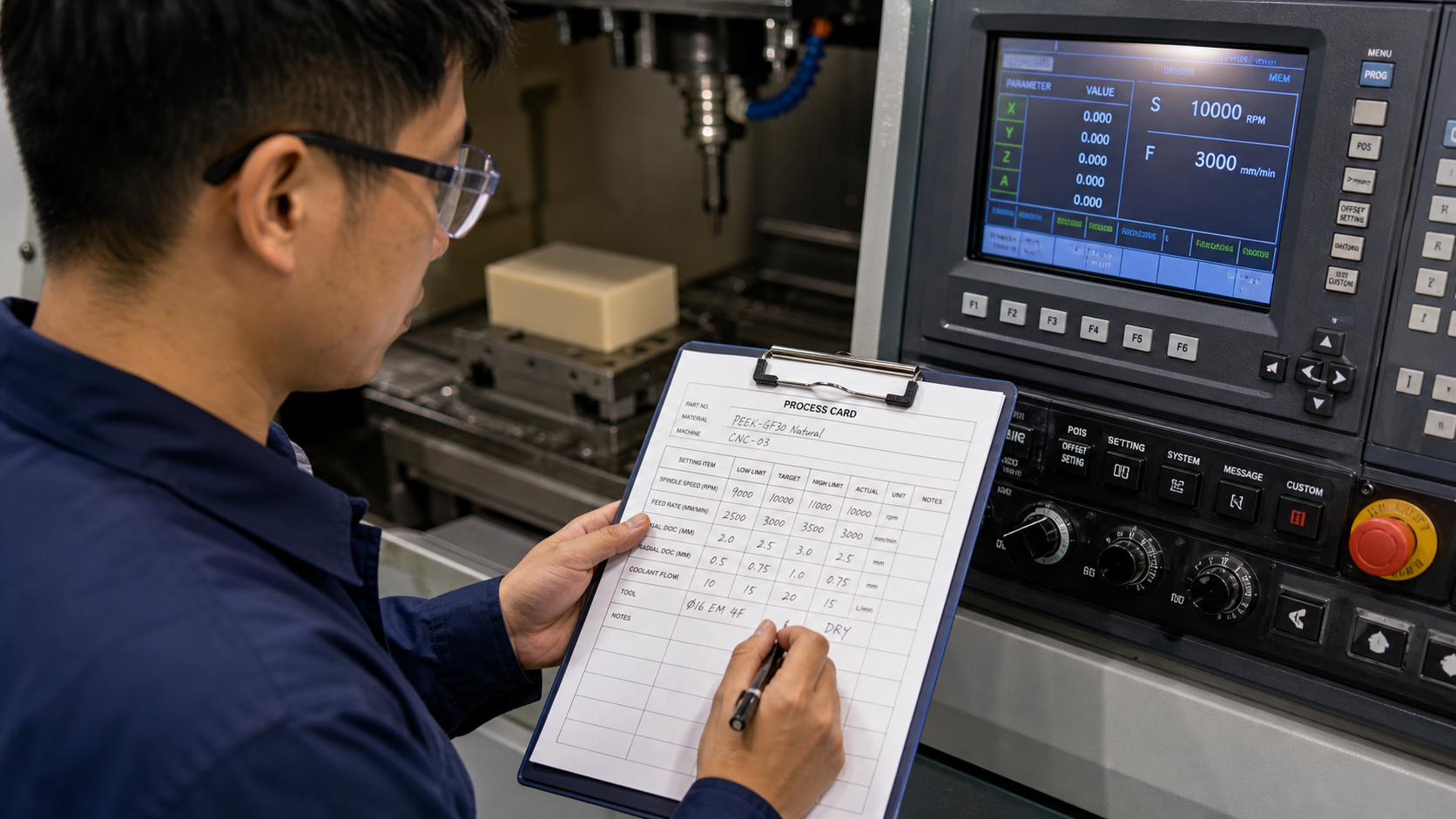
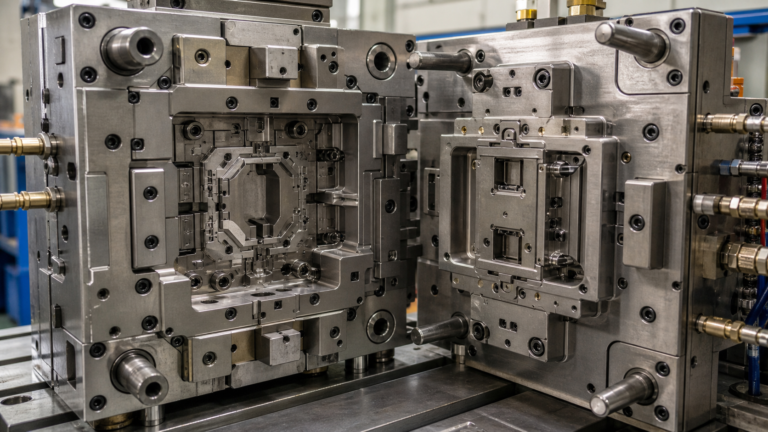
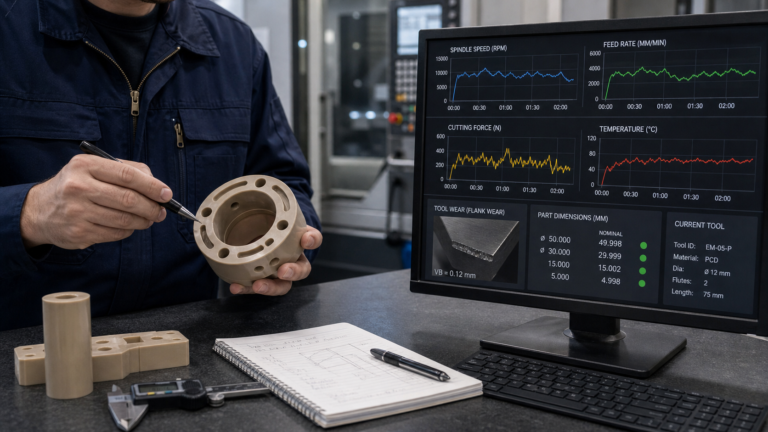
When we qualify a process for a custom component, we don't just find one set of "perfect" settings. We establish a qualified production window. This is the range of settings—for temperature, pressure, speed, and time—that reliably produces good parts. We treat the process card as the official record of this window. It's not just a single value for barrel temperature; it's the acceptable range, say 350°C to 365°C. This gives the operator a clear, validated space to work within. It also provides a baseline for troubleshooting. If the process drifts outside this window, we know we need to investigate. This approach makes the process card a live, evidence-based tool. It reflects the reality of our production floor, not the theoretical ideal from a datasheet. This method of using validated settings makes shop-floor documentation a far more powerful tool for maintaining quality and consistency.
Controlling Revisions When Material or Equipment Changes?
You just received a new lot of resin or installed a new nozzle. Using the old process card is a gamble that can lead to a sudden increase in scrap parts.
Implement a formal revision control system for your process cards. Any change in material, equipment, or tooling must trigger a review and, if necessary, a re-qualification and update of the document.
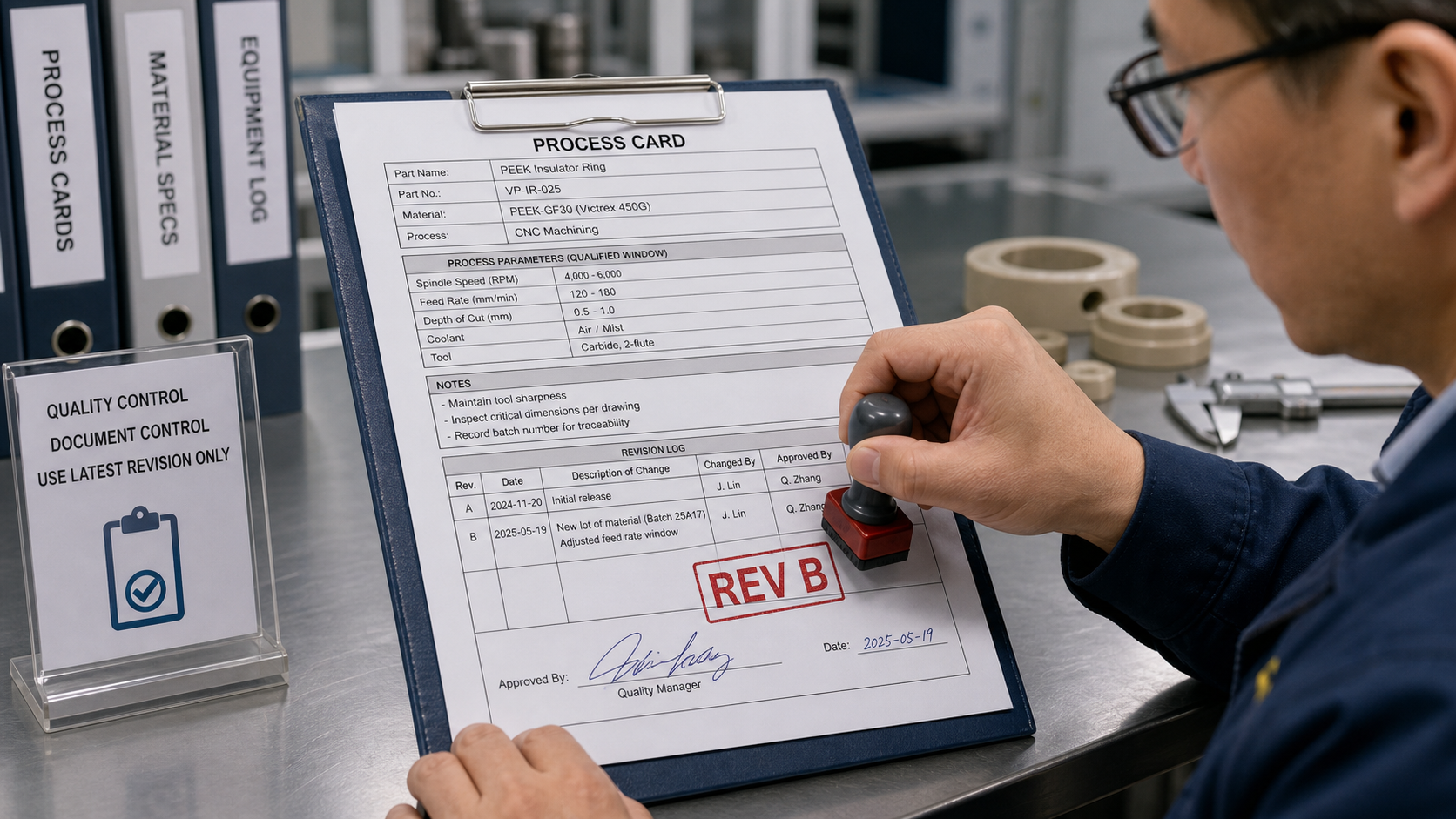
A process card should be a living document, not a static one. The moment we change a critical variable, the card might be obsolete. This could be a new batch of PAI from the supplier, a new screw and barrel on the molding machine, or even a modification to the mold's cooling channels. At our facility, we treat these events as triggers for a process card review. We use a simple revision system, like "Rev A," "Rev B," and so on, with a log of what changed, why it changed, and who approved it. This prevents an operator from accidentally using outdated settings. For example, a new lot of PPSU might have a slightly different melt flow index. Without a process review, this could cause flash. The revision control system forces us to ask: "Does this change affect our qualified window?" If it does, we run new trials and issue an updated, approved process card. This disciplined approach is essential for maintaining process stability and part quality over the long term.
Conclusion
A process card tied to the exact resin grade, with validated settings and controlled revisions, transforms it from a piece of paper into a key tool for ensuring consistent quality.
My Role
About me
Brand Name: VantPoly
Slogan: Engineering Polymer Materials and Custom Components
Website: https://vantpoly.com
Company Overview
VantPoly supports industrial buyers with high-performance engineering polymer materials, semi-finished products, and custom-manufactured components for demanding applications. Our work covers material supply, grade and form selection, profile processing, CNC machining, inspection, documentation, packaging, and international order coordination.
We focus on practical requirements such as operating temperature, chemical and moisture exposure, mechanical load, wear, electrical performance, dimensional stability, cleanliness, certification needs, production quantity, and total project cost. We support projects from initial material screening and prototypes to repeat production. Product claims, test values, compliance documents, and material suitability must always be confirmed for the exact grade, batch, process, and intended application.
Our Core Business
1. High-Performance Polymer Materials
We supply high-performance engineering polymers including PEEK, PEI, PPS, PPSU, PSU, PI, and PAI in selected standard, reinforced, conductive, wear-resistant, colored, and application-specific grades. Available forms may include granules, powders, films, sheets, rods, tubes, and other semi-finished products. Availability of a specific polymer, formulation, grade, size, color, or certification must be confirmed before it is presented as an offer.
2. Compounding & Application-Specific Grades
We support reinforced and modified formulations for requirements involving stiffness, wear, friction, electrical insulation, conductivity, static dissipation, flame performance, dimensional stability, color, and processing behavior. Material recommendations must be based on the complete service environment and validated against the supplier's technical data, customer specifications, and appropriate testing.
3. Semi-Finished Shapes & Profile Processing
We provide sheets, rods, tubes, films, cut-to-size stock, and selected extruded profiles for machining and further processing. Product form, extrusion history, annealing condition, dimensions, tolerances, surface requirements, and internal stress can affect downstream machining and part performance, so these factors should be addressed when relevant to the article.
4. Custom Components & Manufacturing Support
We support drawing-based CNC machining, cutting, profile extrusion, prototyping, small-batch production, and repeat manufacturing for engineering polymer components. Projects are reviewed according to the material grade, geometry, tolerance, surface requirement, working environment, quantity, inspection scope, documentation, and shipping needs. Injection molding, molding trials, or other processes should be described only when they are relevant to the topic and confirmed for the project.
Product Applications & Technology Focus
Primary Service Industries:
Our principal customer sectors include Semiconductor Equipment, Medical and Laboratory Equipment, Aerospace, Automotive and E-Mobility, Electrical and Electronics, Oil and Gas, Chemical Processing, Food-Processing Equipment, Fluid Handling, Scientific Instruments, and Industrial Machinery.
Product Categories We Serve:
- High-Performance Polymer Granules and Powders
- Reinforced, Conductive, Wear-Resistant, and Colored Grades
- Engineering Plastic Sheets, Rods, Tubes, Films, and Profiles
- Cut-to-Size and Machine-Ready Stock Shapes
- CNC-Machined Precision Polymer Components
- Prototype, Replacement, and Small-Batch Parts
- Drawing-Based Custom Components
- Material, Grade, and Product-Form Selection Support
Technology Expertise:
Our documented technical focus includes:
Material Selection, Polymer Compounding, Reinforcement and Modification, Profile Extrusion, Cutting, CNC Machining, Annealing and Stress Control, Dimensional Inspection, Surface Inspection, Batch Traceability, Processing Review, and Application-Based Technical Support.
Production Capacity & Equipment
Polymer Processing & Semi-Finished Product Platform
Our documented capabilities include material pelletizing, continuous profile extrusion, cutting, controlled production, and the supply of granules, sheets, rods, tubes, films, profiles, and other semi-finished products. We support standard and selected customized sizes, grades, formulations, colors, and reinforced options according to project requirements.
- Product Platform Highlights: PEEK, PEI, PPS, PPSU, PSU, PI, and PAI materials; virgin and reinforced grades; powders and granules; sheets, rods, tubes, films, and profiles; and cut-to-size stock for further processing.
Precision Machining & Inspection Platform
We support CNC machining and drawing-based production for prototypes, replacement parts, small batches, and repeat orders. Documented capabilities include multi-axis machining, dimensional inspection, surface inspection, material and batch records, final inspection, and export packaging.
- Equipment and Process Highlights: 4-axis and 5-axis CNC machining, continuous profile extrusion, pelletizing, automatic cutting, controlled workshop conditions, dimensional measurement, surface-roughness inspection, and agreed material-property testing where applicable.
Engineering Polymer & Component Capabilities
General Capabilities:
- Application and operating-condition review
- Material family, grade, reinforcement, and product-form selection
- Granule, powder, sheet, rod, tube, film, and profile supply
- Reinforced, conductive, wear-resistant, colored, and application-specific formulations
- Profile extrusion, cutting, annealing, and stress-control coordination
- CNC machining from drawings, CAD files, physical samples, or specifications
- Prototype, engineering-validation, replacement-part, and small-batch support
- Dimensional, appearance, surface, and agreed property inspection
- Batch traceability and applicable technical-document support
- Protective packaging, export documents, and international shipment coordination
Our Core Specialties:
- ✔️ High-Performance Polymer Selection based on temperature, chemicals, load, wear, electrical needs, tolerances, and documentation
- ✔️ PEEK, PEI, PPS, PPSU, PSU, PI, and PAI materials in multiple forms and selected grades
- ✔️ Precision CNC-Machined Components produced from drawings, samples, and application requirements
- ✔️ Materials-to-Finished-Parts Support covering sourcing, processing, inspection, packaging, and export coordination
Quality Control & Certifications
We apply project-specific inspection and documentation requirements to incoming materials, production, finished components, and shipment preparation. The exact inspection scope depends on the material, grade, product form, drawing, application, order specifications, and agreed acceptance criteria.
Quality Management Scope:
Our documented quality activities include checking incoming resin and semi-finished products, recording material grades and production batches, verifying applicable dimensions and tolerances, inspecting appearance and surface condition, reviewing quantity and packaging, and maintaining supporting records for repeat orders. The blog must not claim that VantPoly performed a test, supplied a named customer, achieved a specific tolerance, or holds a particular certification unless that fact is present in the article input or confirmed company information.
Testing & Inspection Focus:
- Material identity, grade, formulation, and supporting-document review
- Dimensions, tolerances, geometry, and fit according to agreed drawings
- Appearance, surface condition, and surface roughness where specified
- Selected mechanical, thermal, electrical, wear, or other properties where agreed
- Processing history, annealing condition, and internal-stress considerations where relevant
- Batch traceability, quantity, labeling, packaging, and export-protection checks
Certifications & Compliance:
- ISO 9001 quality-management documentation where applicable
- RoHS and REACH documentation for applicable grades
- SGS or other independent test reports where available
- FDA-related, NSF-related, food-contact, medical, or other compliance documents only for applicable grades
- Material certificates, technical data sheets, inspection reports, and batch records as agreed
Certification and document availability varies by polymer family, manufacturer, grade, formulation, batch, destination market, processing method, and intended application. Never generalize one grade's certificate or test result to an entire polymer family. Confirm the exact supporting documents before making a formal compliance claim.
Target Markets & Partnership Models
Who We Serve:
- Materials Engineers & Product Designers: Teams comparing polymer families, grades, reinforcements, and product forms against real operating conditions
- Injection Molders & Process Engineers: Professionals working with high-temperature materials, drying, tooling, melt stability, crystallinity, ejection, warpage, and repeatable processing
- Machining Companies & Component Manufacturers: Shops requiring stable stock shapes, machining guidance, controlled stress, tolerances, surface quality, and repeatable material supply
- Semiconductor & Electronics Manufacturers: Engineering and procurement teams requiring dimensional stability, insulation, clean handling, chemical resistance, ESD control, or high-frequency performance
- Medical & Laboratory Equipment Companies: Teams evaluating sterilization resistance, chemical compatibility, dimensional stability, traceability, and applicable documentation
- Aerospace, Automotive & E-Mobility Companies: Engineers seeking lightweight, heat-resistant, electrically functional, wear-resistant, or chemically resistant components
- Oil, Gas, Chemical & Fluid-Handling Companies: Buyers requiring seals, valve seats, rings, pump parts, and other components for corrosive, high-pressure, wear, or elevated-temperature service
- Industrial Distributors & Global Buyers: Importers, distributors, procurement teams, and equipment manufacturers sourcing materials, stock shapes, custom parts, and international delivery support
Target Geographies:
We serve international B2B customers and coordinate export packaging, commercial documents, shipment requirements, and technical communication according to the destination and order. Product availability, regulatory documents, customs requirements, shipping method, and delivery schedule must be confirmed for each project.
Types of Cooperation:
- Material Supply: Standard, reinforced, modified, colored, conductive, and application-specific polymer grades
- Semi-Finished Product Supply: Sheets, rods, tubes, films, profiles, powders, granules, and cut-to-size stock
- Material Selection Support: Initial screening based on temperature, chemicals, load, wear, electrical needs, tolerances, documentation, process, and budget
- Custom Manufacturing: Drawing-based cutting, extrusion, CNC machining, prototypes, replacement parts, small batches, and repeat production
- Inspection & Documentation: Agreed dimensional, appearance, surface, material, batch, and supporting-document checks
- International Order Support: Quotation review, protective packaging, commercial documents, shipment coordination, and technical communication
Our Core Competitive Advantages
⭐ Integrated Material and Component Supply
By coordinating engineering polymer materials, semi-finished shapes, extrusion, cutting, CNC machining, inspection, and export support, we help buyers manage material and component requirements through one supply workflow.
⭐ Application-Based Material Selection
We review operating temperature, chemical exposure, mechanical load, friction and wear, electrical performance, dimensional tolerances, cleanliness, documentation, production quantity, and budget before recommending a material family or grade.
⭐ Flexible Product Forms & Customization
Our documented offering covers granules, powders, sheets, rods, tubes, films, profiles, cut-to-size stock, reinforced or modified formulations, selected colors, and custom-machined parts according to project needs.
⭐ Prototype-to-Repeat-Production Support
We support prototypes, engineering validation, replacement parts, low-volume orders, and repeat production based on drawings, samples, material specifications, and agreed inspection requirements.
⭐ Traceability, Inspection & Global Coordination
Material grades, batches, applicable records, dimensions, appearance, packaging, and shipment requirements can be coordinated to reduce sourcing risk and support consistency across international orders.