Writing About NIAS Research Without Generalizing Beyond the Study?
You read a study about a polymer and worry it applies to your project. This creates uncertainty and can lead to poor material choices based on incomplete information.
To write about NIAS research accurately, you must identify the exact material systems, report the study's specific endpoints and limitations, separate screening data from safety claims, and never apply conclusions to untested products. This requires a detailed, evidence-based approach beyond just the polymer's name.

When I see a new research paper on Non-Intentionally Added Substances (NIAS) in a material like PEEK, my first step is to slow down. It's easy to see a headline and jump to a broad conclusion. But in my experience, the real value—and the truth—is always in the details. A study is a snapshot of a specific material under specific conditions, not a universal statement about an entire polymer family. We owe it to our customers and our engineering principles to get this right. Let's break down how we approach these publications to ensure our communication is precise and responsible, avoiding the common pitfall of generalization. This careful process is fundamental to how we support projects from material selection to final component delivery.
Identifying the Exact PEEK-Based Systems Studied?
You see "PEEK" in a study title and assume it applies to all PEEK materials. This is a common mistake that can lead to misinformed decisions and unnecessary project risks.
Always identify the specific PEEK grade, manufacturer, and processing history used in the study. "PEEK" is a family, and each member has a unique profile. Generalizing from one specific system is inaccurate and misleading for material selection.
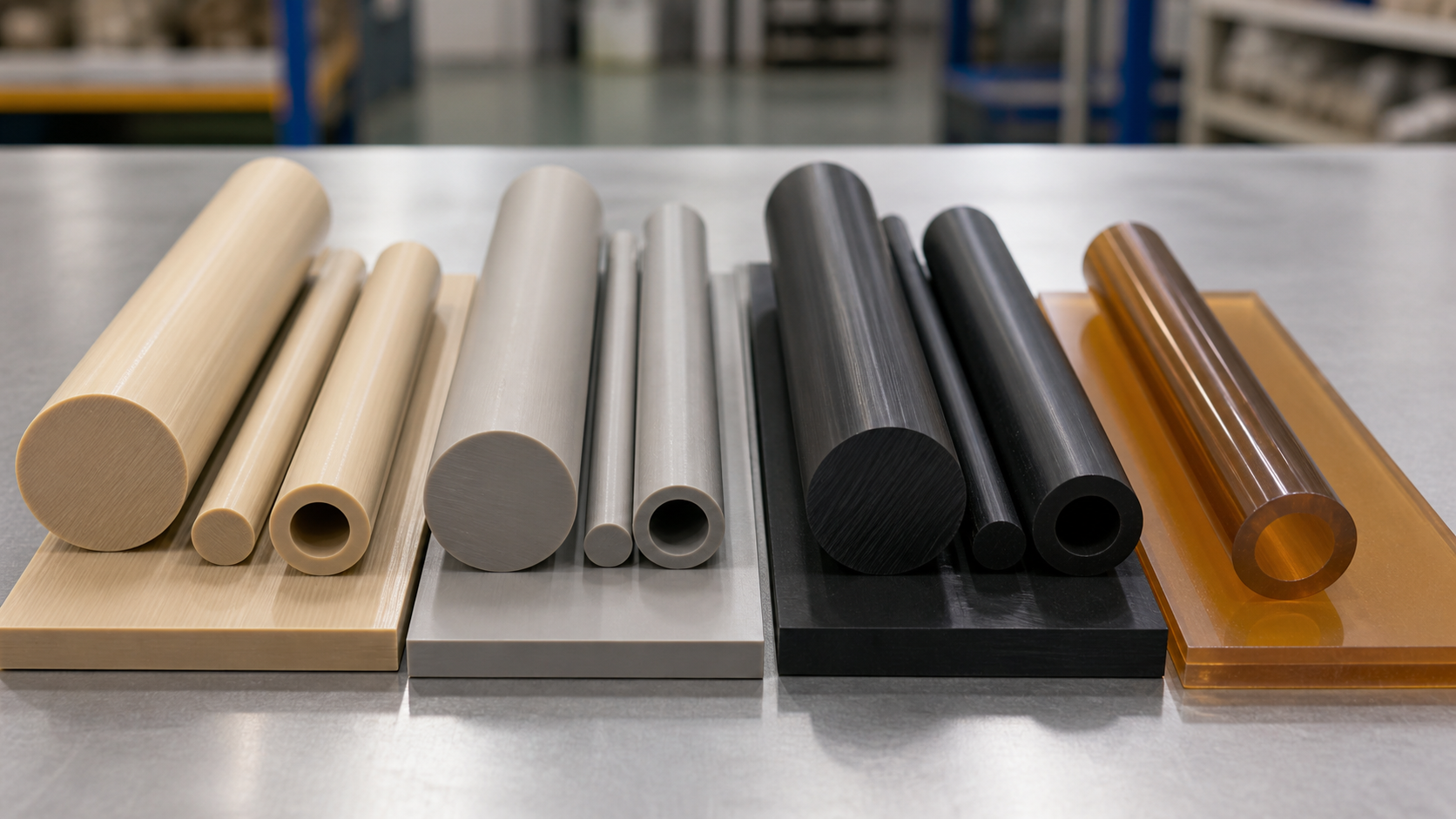
The first question I always ask is, "Which exact PEEK are they talking about?" The term PEEK is a general name for a high-performance polymer family, but it's not a single, uniform substance. A study's findings are only valid for the material that was actually put under the microscope. Treating all PEEK products as identical is like saying all steel is the same. It ignores critical differences in formulation, additives, and manufacturing history that directly impact the final NIAS profile. For instance, I remember a case where a customer was concerned about a finding in a study on an injection-molded PEEK grade, but their application used a completely different, extruded-rod grade from another supplier. The comparison was simply not valid.
Breaking Down the Material's Identity
To understand a study's relevance, we need to look for specific identifiers. A well-documented study should provide these details. If they are missing, the results are much harder to apply. We look for information on the polymer's source, its form, and how it was processed.
Key Factors Defining a PEEK System
We must differentiate between the base polymer and the final product. Processing steps like extrusion or molding can introduce or change substances. That's why we create a checklist to compare the studied material to our own products.
| Factor | What We Look For | Why It Matters |
|---|---|---|
| Manufacturer & Grade | Was the exact commercial grade (e.g., KetaSpire KT-820, VESTAKEEP 4000G) specified? | Different manufacturers use slightly different synthesis processes and catalyst systems, which can result in different residual monomers or oligomers. |
| Product Form | Was the material tested as a granule, an extruded rod, a machined part, or an injection-molded component? | Processing history is huge. Extrusion and injection molding involve high heat and shear, which can create new NIAS or alter existing ones. A raw granule’s profile is not the same as a finished part’s. |
| Additives & Fillers | Was it a pure, unfilled grade, or was it reinforced with glass fiber, carbon fiber, or other fillers? | Additives and their sizing agents can be a source of extractable substances that are not part of the PEEK polymer itself. A finding in a reinforced grade cannot be applied to an unfilled one. |
Reporting the Authors' Endpoints and Limitations?
A study reports finding certain substances. You might feel alarmed, thinking this automatically means the material is unsafe for your application, causing unnecessary concern and project delays.
Focus on what the authors measured (the endpoints) and the boundaries they set (the limitations). A study's conclusion is tied to its specific methods, conditions, and scope. We must report these context-giving details, not just the findings.

After identifying the material, my next step is to read the "Methods" and "Discussion" sections of the paper very carefully. This is where the authors explain what they were looking for, how they looked for it, and what their results don't mean. A common mistake is to confuse an "extractable inventory" with real-world migration. A lab might use aggressive solvents and high temperatures to force everything possible out of a material. This tells you what's in the material, but it doesn't tell you what would actually leach out under your specific application's conditions—like contact with water at room temperature. We have to report the context. A finding is only a finding; its meaning comes from the conditions under which it was found.
I always explain this to our team and customers. Think of it like a stress test. Just because a component breaks under 10 times its normal load doesn't mean it's unsafe for its intended use. Similarly, just because a chemical can be extracted with a harsh solvent doesn't mean it will migrate into food or a medical device under normal service conditions. The study's limitations are just as important as its results. We must communicate both. Ignoring the context is irresponsible. We need to be clear about the test conditions, the analytical methods used, and any limitations the authors themselves acknowledged in their paper.
Separating Screening Findings From Broader Safety Claims?
You see a list of chemicals detected in a material screening study. The presence of these names can trigger immediate safety concerns, potentially stopping a project based on a misunderstanding.
A screening study identifies what substances might be present. It is not a toxicological risk assessment. We must separate the act of detection from any claims about safety, which requires expert review and analysis of concentration levels.

When we review a NIAS study, we draw a hard line between detection and risk. A screening study is like casting a wide net to see what you can find. Modern analytical equipment is incredibly sensitive and can detect substances at parts-per-billion levels. But the mere presence of a substance doesn't automatically mean it's harmful. The old saying, "the dose makes the poison," is absolutely critical here. A key part of our job is to bring this perspective. I've seen projects get derailed because a stakeholder saw a chemical name on a list from a screening study and panicked, without asking the most important follow-up questions: How much was found? Is this level a concern?
This is where we rely on expert review, sometimes involving toxicologists, to put findings into context. A study might identify a substance, but it often won't conduct a full risk assessment. It's just Step One. Making a broad safety claim based only on a screening result is a major overstep. Our communication must be precise. We can say, "The study identified substance X under these specific laboratory conditions." We cannot and should not say, "The study found that PEEK is unsafe because it contains substance X." That's a conclusion the study likely never made. We stick to the evidence and avoid making unsubstantiated leaps from detection to danger.
Avoiding Conclusions About Untested PEEK Products?
A study on one specific PEEK product shows a certain NIAS profile. It's tempting to apply this information to other PEEK products you're considering, assuming they are all the same.
A study's results apply only to the materials tested. We never use third-party research on another company's product as evidence of our own product's performance or composition. Each supply chain requires its own specific validation and documentation.
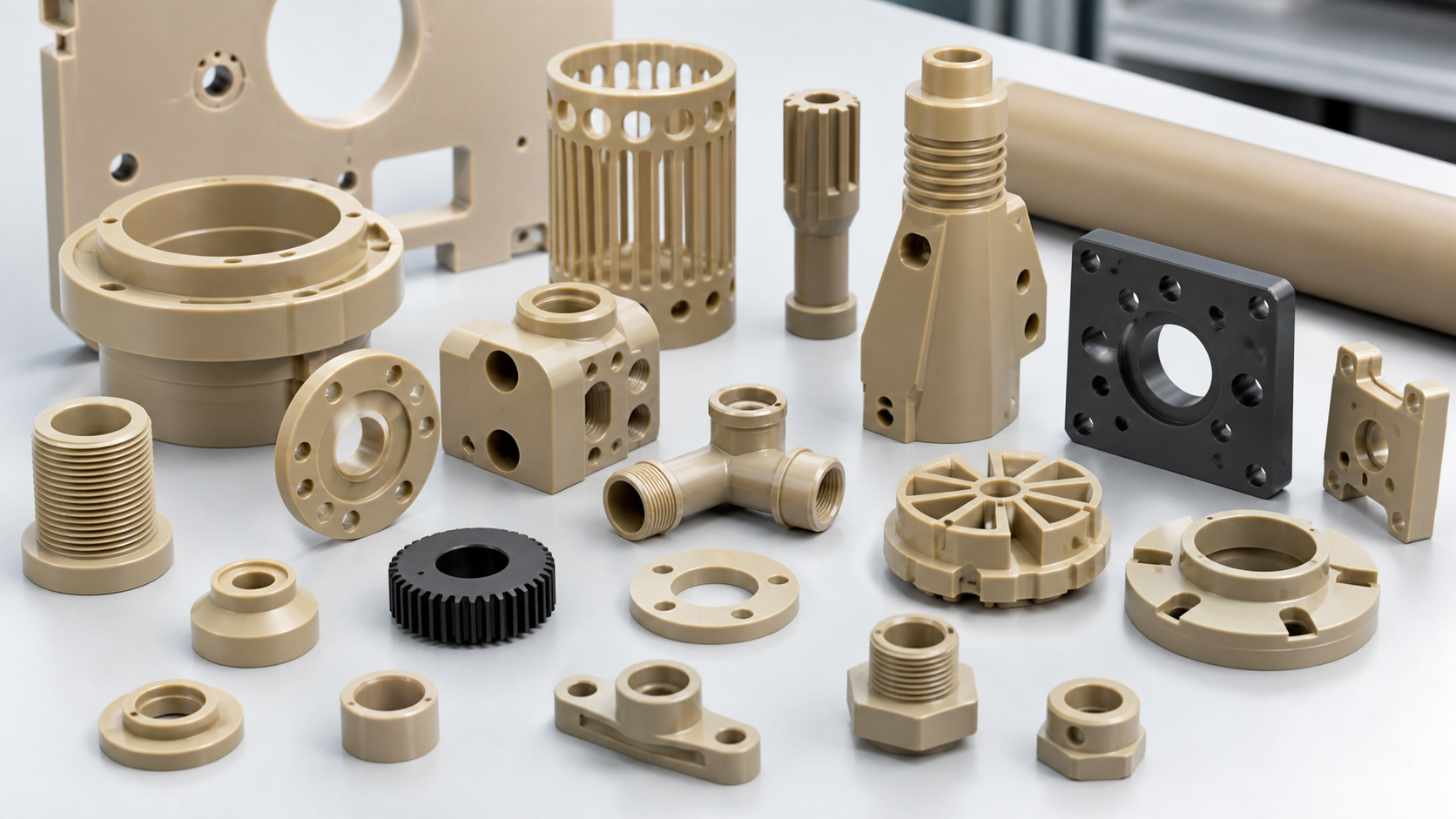
This is the final and most important rule for us at VantPoly. We can learn from public research, but we never, ever treat it as a proxy for our own materials. A NIAS study published on PEEK Grade A from Manufacturer X, processed via injection molding, tells us absolutely nothing about the PEEK Grade B we supply from Manufacturer Y as an extruded rod. The supply chain, raw material synthesis, compounding process, and thermal history are all different. Each of these variables can significantly change the NIAS profile. To claim that the study's results apply to our product would be factually incorrect and misleading.
I once worked with an engineer in the medical device field who was ready to disqualify all PEEK materials based on a single study. I had to walk him through our process. We looked at the specific grade he was using from us, our batch traceability records, and the processing history of the semi-finished shape. We explained that for his specific application, any compliance or safety claims must be based on testing of the actual product he was buying, not on a generic study of a different material. We treat every product as its own distinct system. The findings from one study are just a data point about that system. They are not a universal truth about the entire PEEK family, and certainly not about the specific, traceable materials we provide to our customers.
Conclusion
We handle NIAS research by being specific. We identify the exact material, report the study's limits, separate detection from risk, and never generalize findings to our own untested products.
My Role
About me
Brand Name: VantPoly
Slogan: Engineering Polymer Materials and Custom Components
Website: https://vantpoly.com
Company Overview
VantPoly supports industrial buyers with high-performance engineering polymer materials, semi-finished products, and custom-manufactured components for demanding applications. Our work covers material supply, grade and form selection, profile processing, CNC machining, inspection, documentation, packaging, and international order coordination.
We focus on practical requirements such as operating temperature, chemical and moisture exposure, mechanical load, wear, electrical performance, dimensional stability, cleanliness, certification needs, production quantity, and total project cost. We support projects from initial material screening and prototypes to repeat production. Product claims, test values, compliance documents, and material suitability must always be confirmed for the exact grade, batch, process, and intended application.
Our Core Business
1. High-Performance Polymer Materials
We supply high-performance engineering polymers including PEEK, PEI, PPS, PPSU, PSU, PI, and PAI in selected standard, reinforced, conductive, wear-resistant, colored, and application-specific grades. Available forms may include granules, powders, films, sheets, rods, tubes, and other semi-finished products. Availability of a specific polymer, formulation, grade, size, color, or certification must be confirmed before it is presented as an offer.
2. Compounding & Application-Specific Grades
We support reinforced and modified formulations for requirements involving stiffness, wear, friction, electrical insulation, conductivity, static dissipation, flame performance, dimensional stability, color, and processing behavior. Material recommendations must be based on the complete service environment and validated against the supplier's technical data, customer specifications, and appropriate testing.
3. Semi-Finished Shapes & Profile Processing
We provide sheets, rods, tubes, films, cut-to-size stock, and selected extruded profiles for machining and further processing. Product form, extrusion history, annealing condition, dimensions, tolerances, surface requirements, and internal stress can affect downstream machining and part performance, so these factors should be addressed when relevant to the article.
4. Custom Components & Manufacturing Support
We support drawing-based CNC machining, cutting, profile extrusion, prototyping, small-batch production, and repeat manufacturing for engineering polymer components. Projects are reviewed according to the material grade, geometry, tolerance, surface requirement, working environment, quantity, inspection scope, documentation, and shipping needs. Injection molding, molding trials, or other processes should be described only when they are relevant to the topic and confirmed for the project.
Product Applications & Technology Focus
Primary Service Industries:
Our principal customer sectors include Semiconductor Equipment, Medical and Laboratory Equipment, Aerospace, Automotive and E-Mobility, Electrical and Electronics, Oil and Gas, Chemical Processing, Food-Processing Equipment, Fluid Handling, Scientific Instruments, and Industrial Machinery.
Product Categories We Serve:
- High-Performance Polymer Granules and Powders
- Reinforced, Conductive, Wear-Resistant, and Colored Grades
- Engineering Plastic Sheets, Rods, Tubes, Films, and Profiles
- Cut-to-Size and Machine-Ready Stock Shapes
- CNC-Machined Precision Polymer Components
- Prototype, Replacement, and Small-Batch Parts
- Drawing-Based Custom Components
- Material, Grade, and Product-Form Selection Support
Technology Expertise:
Our documented technical focus includes:
Material Selection, Polymer Compounding, Reinforcement and Modification, Profile Extrusion, Cutting, CNC Machining, Annealing and Stress Control, Dimensional Inspection, Surface Inspection, Batch Traceability, Processing Review, and Application-Based Technical Support.
Production Capacity & Equipment
Polymer Processing & Semi-Finished Product Platform
Our documented capabilities include material pelletizing, continuous profile extrusion, cutting, controlled production, and the supply of granules, sheets, rods, tubes, films, profiles, and other semi-finished products. We support standard and selected customized sizes, grades, formulations, colors, and reinforced options according to project requirements.
- Product Platform Highlights: PEEK, PEI, PPS, PPSU, PSU, PI, and PAI materials; virgin and reinforced grades; powders and granules; sheets, rods, tubes, films, and profiles; and cut-to-size stock for further processing.
Precision Machining & Inspection Platform
We support CNC machining and drawing-based production for prototypes, replacement parts, small batches, and repeat orders. Documented capabilities include multi-axis machining, dimensional inspection, surface inspection, material and batch records, final inspection, and export packaging.
- Equipment and Process Highlights: 4-axis and 5-axis CNC machining, continuous profile extrusion, pelletizing, automatic cutting, controlled workshop conditions, dimensional measurement, surface-roughness inspection, and agreed material-property testing where applicable.
Engineering Polymer & Component Capabilities
General Capabilities:
- Application and operating-condition review
- Material family, grade, reinforcement, and product-form selection
- Granule, powder, sheet, rod, tube, film, and profile supply
- Reinforced, conductive, wear-resistant, colored, and application-specific formulations
- Profile extrusion, cutting, annealing, and stress-control coordination
- CNC machining from drawings, CAD files, physical samples, or specifications
- Prototype, engineering-validation, replacement-part, and small-batch support
- Dimensional, appearance, surface, and agreed property inspection
- Batch traceability and applicable technical-document support
- Protective packaging, export documents, and international shipment coordination
Our Core Specialties:
- ✔️ High-Performance Polymer Selection based on temperature, chemicals, load, wear, electrical needs, tolerances, and documentation
- ✔️ PEEK, PEI, PPS, PPSU, PSU, PI, and PAI materials in multiple forms and selected grades
- ✔️ Precision CNC-Machined Components produced from drawings, samples, and application requirements
- ✔️ Materials-to-Finished-Parts Support covering sourcing, processing, inspection, packaging, and export coordination
Quality Control & Certifications
We apply project-specific inspection and documentation requirements to incoming materials, production, finished components, and shipment preparation. The exact inspection scope depends on the material, grade, product form, drawing, application, order specifications, and agreed acceptance criteria.
Quality Management Scope:
Our documented quality activities include checking incoming resin and semi-finished products, recording material grades and production batches, verifying applicable dimensions and tolerances, inspecting appearance and surface condition, reviewing quantity and packaging, and maintaining supporting records for repeat orders. The blog must not claim that VantPoly performed a test, supplied a named customer, achieved a specific tolerance, or holds a particular certification unless that fact is present in the article input or confirmed company information.
Testing & Inspection Focus:
- Material identity, grade, formulation, and supporting-document review
- Dimensions, tolerances, geometry, and fit according to agreed drawings
- Appearance, surface condition, and surface roughness where specified
- Selected mechanical, thermal, electrical, wear, or other properties where agreed
- Processing history, annealing condition, and internal-stress considerations where relevant
- Batch traceability, quantity, labeling, packaging, and export-protection checks
Certifications & Compliance:
- ISO 9001 quality-management documentation where applicable
- RoHS and REACH documentation for applicable grades
- SGS or other independent test reports where available
- FDA-related, NSF-related, food-contact, medical, or other compliance documents only for applicable grades
- Material certificates, technical data sheets, inspection reports, and batch records as agreed
Certification and document availability varies by polymer family, manufacturer, grade, formulation, batch, destination market, processing method, and intended application. Never generalize one grade's certificate or test result to an entire polymer family. Confirm the exact supporting documents before making a formal compliance claim.
Target Markets & Partnership Models
Who We Serve:
- Materials Engineers & Product Designers: Teams comparing polymer families, grades, reinforcements, and product forms against real operating conditions
- Injection Molders & Process Engineers: Professionals working with high-temperature materials, drying, tooling, melt stability, crystallinity, ejection, warpage, and repeatable processing
- Machining Companies & Component Manufacturers: Shops requiring stable stock shapes, machining guidance, controlled stress, tolerances, surface quality, and repeatable material supply
- Semiconductor & Electronics Manufacturers: Engineering and procurement teams requiring dimensional stability, insulation, clean handling, chemical resistance, ESD control, or high-frequency performance
- Medical & Laboratory Equipment Companies: Teams evaluating sterilization resistance, chemical compatibility, dimensional stability, traceability, and applicable documentation
- Aerospace, Automotive & E-Mobility Companies: Engineers seeking lightweight, heat-resistant, electrically functional, wear-resistant, or chemically resistant components
- Oil, Gas, Chemical & Fluid-Handling Companies: Buyers requiring seals, valve seats, rings, pump parts, and other components for corrosive, high-pressure, wear, or elevated-temperature service
- Industrial Distributors & Global Buyers: Importers, distributors, procurement teams, and equipment manufacturers sourcing materials, stock shapes, custom parts, and international delivery support
Target Geographies:
We serve international B2B customers and coordinate export packaging, commercial documents, shipment requirements, and technical communication according to the destination and order. Product availability, regulatory documents, customs requirements, shipping method, and delivery schedule must be confirmed for each project.
Types of Cooperation:
- Material Supply: Standard, reinforced, modified, colored, conductive, and application-specific polymer grades
- Semi-Finished Product Supply: Sheets, rods, tubes, films, profiles, powders, granules, and cut-to-size stock
- Material Selection Support: Initial screening based on temperature, chemicals, load, wear, electrical needs, tolerances, documentation, process, and budget
- Custom Manufacturing: Drawing-based cutting, extrusion, CNC machining, prototypes, replacement parts, small batches, and repeat production
- Inspection & Documentation: Agreed dimensional, appearance, surface, material, batch, and supporting-document checks
- International Order Support: Quotation review, protective packaging, commercial documents, shipment coordination, and technical communication
Our Core Competitive Advantages
⭐ Integrated Material and Component Supply
By coordinating engineering polymer materials, semi-finished shapes, extrusion, cutting, CNC machining, inspection, and export support, we help buyers manage material and component requirements through one supply workflow.
⭐ Application-Based Material Selection
We review operating temperature, chemical exposure, mechanical load, friction and wear, electrical performance, dimensional tolerances, cleanliness, documentation, production quantity, and budget before recommending a material family or grade.
⭐ Flexible Product Forms & Customization
Our documented offering covers granules, powders, sheets, rods, tubes, films, profiles, cut-to-size stock, reinforced or modified formulations, selected colors, and custom-machined parts according to project needs.
⭐ Prototype-to-Repeat-Production Support
We support prototypes, engineering validation, replacement parts, low-volume orders, and repeat production based on drawings, samples, material specifications, and agreed inspection requirements.
⭐ Traceability, Inspection & Global Coordination
Material grades, batches, applicable records, dimensions, appearance, packaging, and shipment requirements can be coordinated to reduce sourcing risk and support consistency across international orders.