Material Substitution in Sterilization Trays: Recheck the Complete Assembly?
A key polymer for your sterilization tray is suddenly unavailable. You found a substitute with the same name, but will it work? This is a common problem we see.
Yes, you must recheck the complete assembly. A material substitution is more than a line-item change. It affects joints, thermal performance, and handling. You need to use assembled-tray testing to make an evidence-based decision, not just rely on a polymer datasheet.
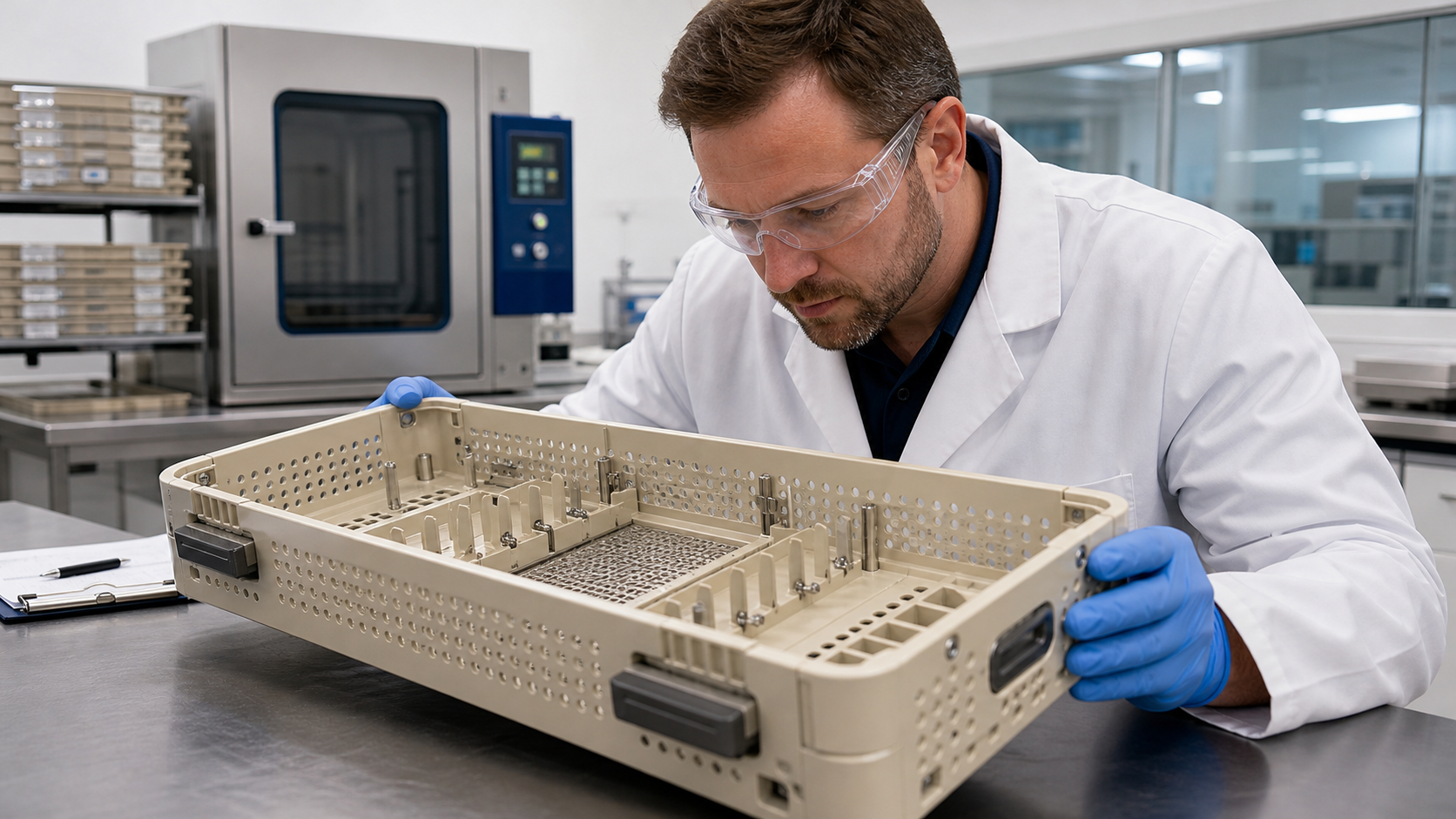
It is very easy to look at a technical data sheet and assume two materials with the same name will act the same. I have seen this assumption cause major issues for clients down the road. In a real-world assembly, small differences in polymer formulation can lead to big problems like warping, cracking, or loose components. The only way to be sure is to test the finished product, not just the raw material. Let's look at why this is so critical.
Checking Joints and Fasteners Affected by the New Material?
You switched to a new polymer grade. But after a few autoclave cycles, you notice the fasteners are loose. This is a sign that the new material is affecting the mechanical joints.
A new material, even with the same polymer name, can have a different rate of thermal expansion or shrink differently after sterilization. This changes the fit and clamping force of screws, rivets, or inserts. This can loosen the entire assembly over time.
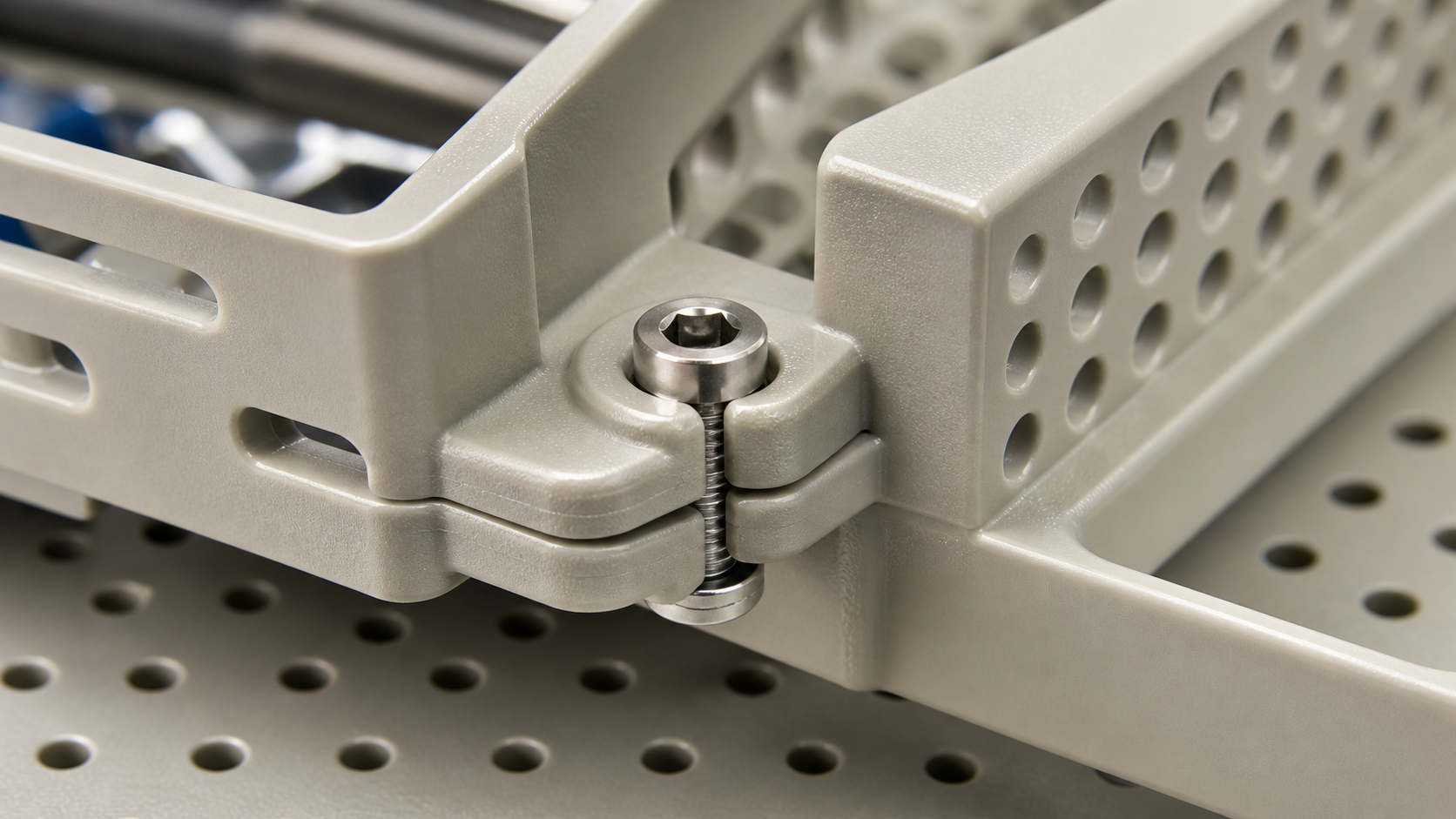
When we work with customers on material selection, we always stress that an assembly is a system. Every part affects every other part, especially during the extreme temperature changes of sterilization. A tiny change in one component can have a ripple effect.
Mismatched Thermal Expansion
The first thing to check is the Coefficient of Thermal Expansion (CTE). Most sterilization trays use metal fasteners like stainless steel screws. The new polymer must expand and contract at a rate that is compatible with these metal parts. If the new polymer expands much more than the metal screw when heated, it can create huge stress. If it shrinks more when cooled, the joint can become loose. This is why we compare property retention after sterilization cycles, because the initial properties on a datasheet do not tell the whole story.
Post-Sterilization Dimensional Stability
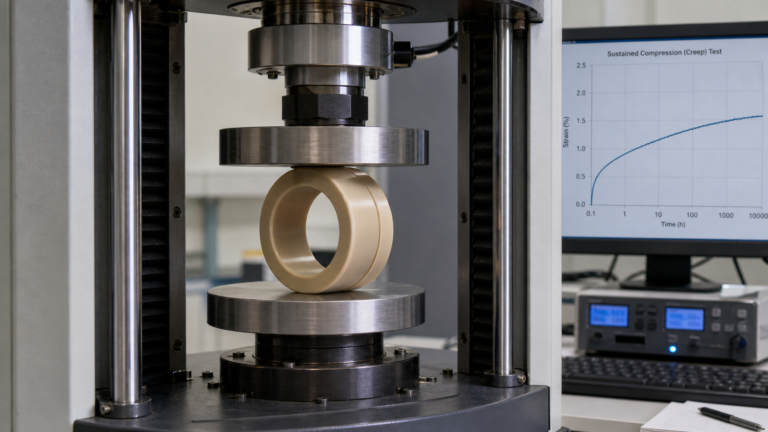
The second issue is how the material changes over many cycles. Some polymer grades are more stable than others. After 100 or 200 autoclave cycles, one grade might shrink 0.5% while another shrinks 1.0%. That difference is enough to make a press-fit insert fall out or a gasket fail. We need to look at the complete picture.
| Property (After 100 Autoclave Cycles) | Original Polymer | Substituted Polymer | Potential Implication for Joints |
|---|---|---|---|
| CTE (ppm/°C) | 55 | 65 | Higher stress on fasteners, potential for loosening. |
| Dimensional Change | -0.4% | -0.8% | Loss of preload in screws, loose press-fit components. |
| Tensile Modulus (GPa) | 2.8 | 2.5 | Component may flex more under load, affecting joint integrity. |
Following Thermal Exposure Through the Assembled Tray?
Your new tray material looks fine after one test cycle. But hidden stresses are building up inside the plastic, which could lead to warping or cracking much later.
Different grades of the same polymer can have varied heat transfer rates and internal stress. Following the thermal exposure through a complete, assembled tray helps find hot spots. These are areas where different expansion rates could cause problems over many cycles.
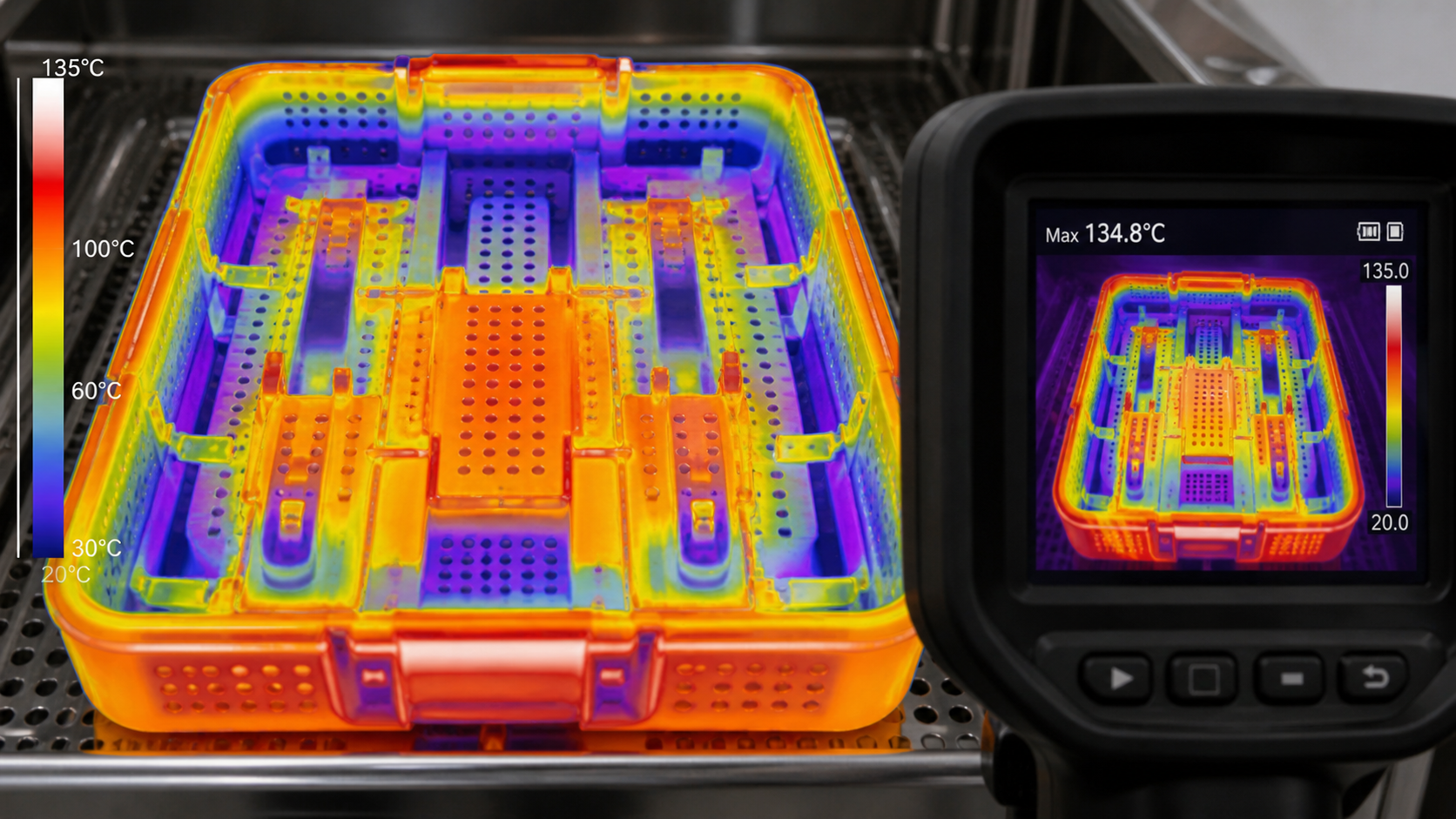
I remember a project where a client substituted a grade of PEI. The datasheet looked almost identical. But the new material had a slightly different formulation that changed its thermal conductivity. After about 50 sterilization cycles, the corners of the tray started to warp upwards. The reason was that the corners were thicker and held heat longer than the thinner walls. This created internal stress that eventually deformed the part. This is a perfect example of a problem you would never find by just testing a sample piece of plastic. You have to test the final product in its real-world condition. This also means testing the tray when it is fully loaded with surgical instruments. The metal instruments act as heat sinks, changing how the tray heats and cools. This is why we always recommend testing the complete assembly to make change control an evidence-based decision.
Testing Handling and Loading After Reprocessing?
The substituted material passed all your thermal tests. But then a hospital technician drops a tray, and it cracks. The new material has become too brittle after reprocessing.
Reprocessing, especially steam sterilization, can degrade a polymer’s toughness and impact strength over time. Your testing must simulate real-world handling, like dropping, stacking, and loading with instruments, after many cycles to ensure the material remains durable.
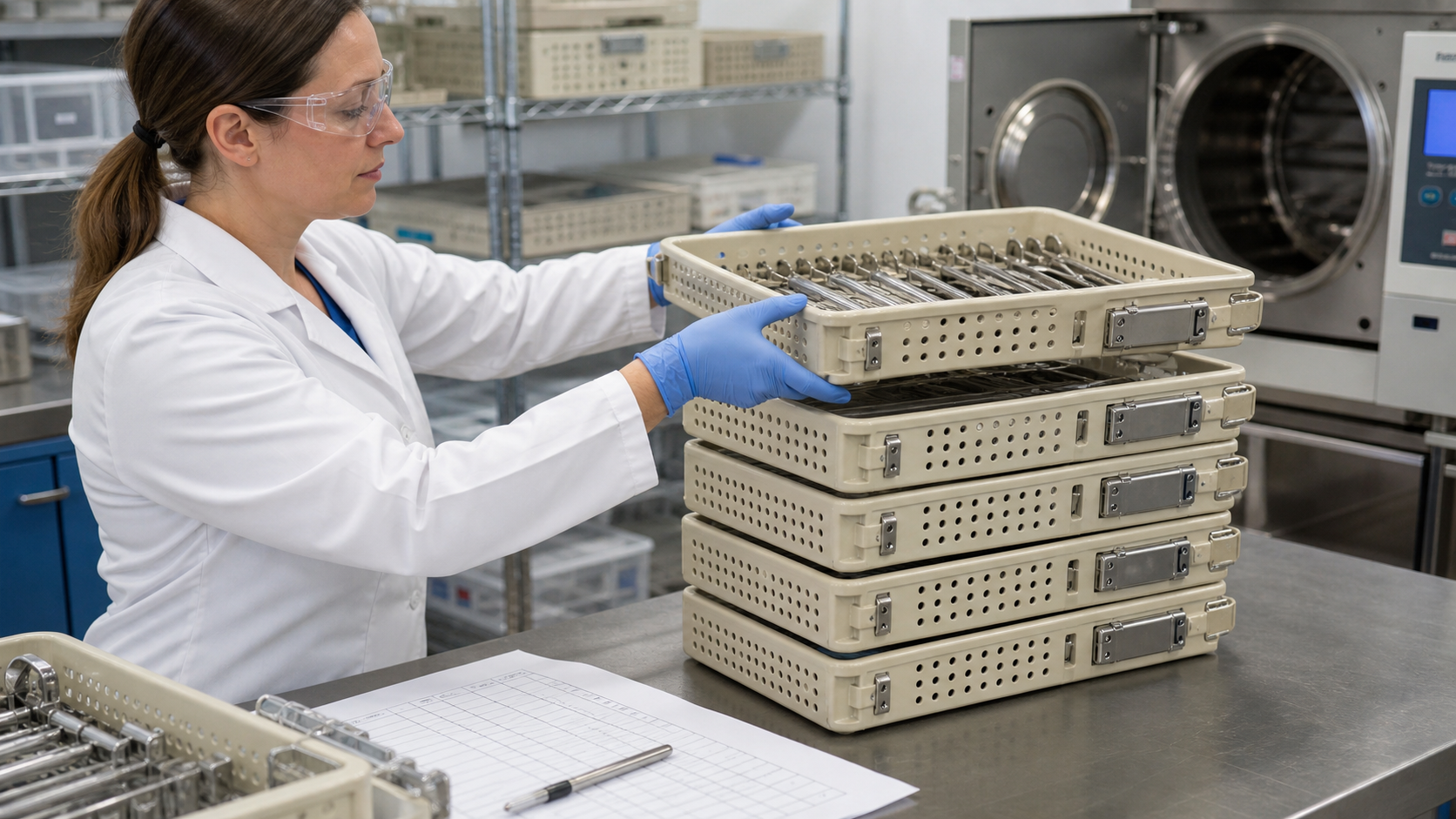
A datasheet will give you the impact strength of a brand-new, virgin polymer. That number is useful, but it doesn't tell you the impact strength after 100 or 200 hours in a steam autoclave. Many high-performance polymers like PPSU or PEEK are chosen for their excellent property retention. But even within the same polymer family, different grades can have very different performance. We always advise customers to focus on retained properties. We need to know if the material is still strong enough after it has been used for a year. This means practical, physical testing. Can you still stack five trays without the bottom one deforming? If an instrument is held in place by a small plastic clip, is that clip still strong enough after many cycles, or has it become brittle? These are the questions that protect against field failures. It’s not just about passing a lab test; it’s about making sure the product is safe and reliable for the people who use it every day.
Controlling the Substitution as an Assembly Change?
You have tested and approved the new material. But if you don't have proper controls, you can't be sure that the next batch you receive will perform the same way.
A material substitution should not be treated like swapping out a screw. It is an assembly-level engineering change. It requires updated drawings, new part numbers, full validation testing on the complete assembly, and strict controls on your supplier.
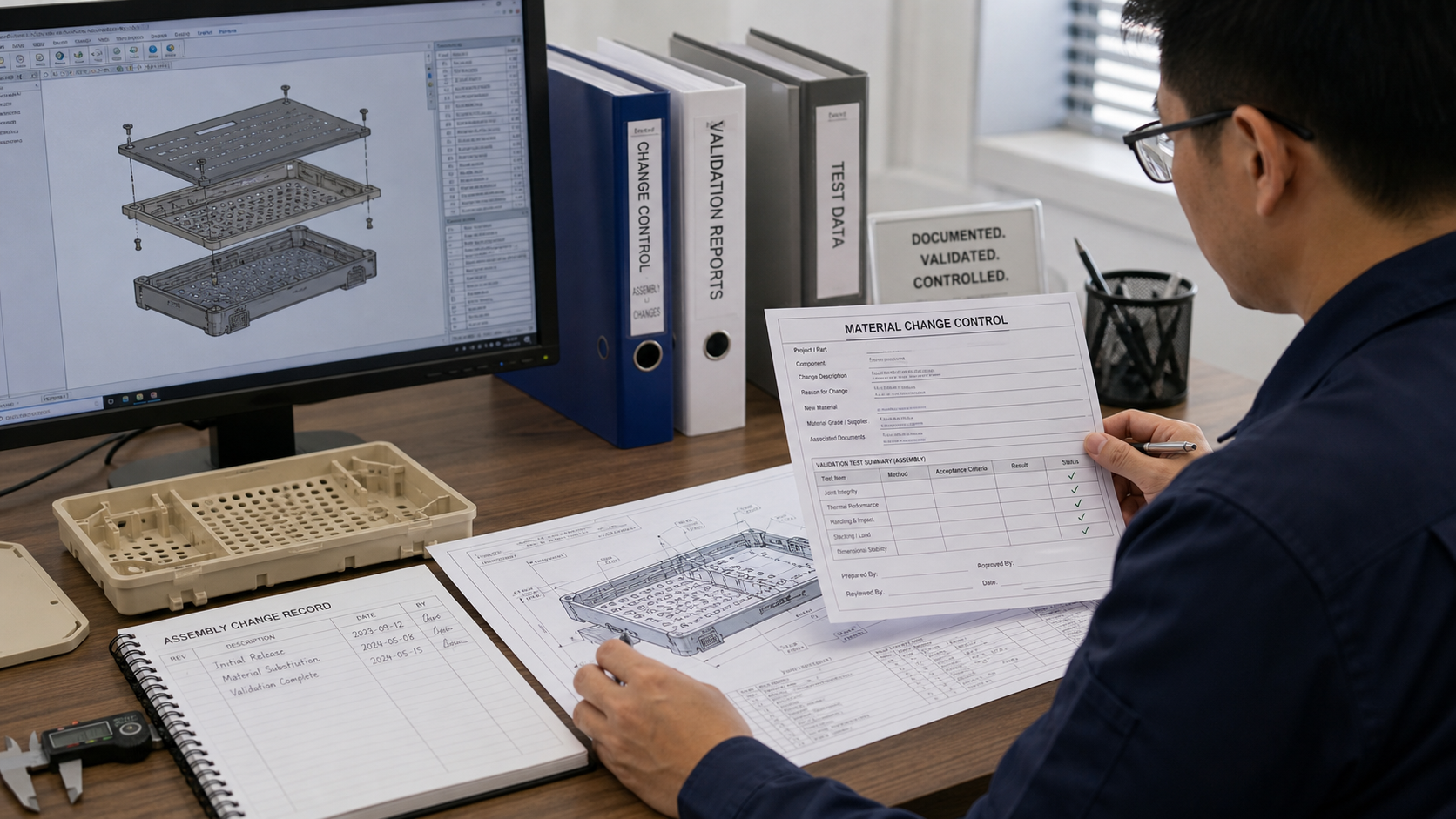
This is all about managing risk. In the medical device industry, you cannot afford to have a product fail in the field. When we support customers with custom components, we emphasize traceability and documentation. Treating a material substitution as a formal change is part of this process. It means you are creating a record of why the change was made, how it was validated, and what the new standard is. It is not enough to just tell your supplier "send me the other PEEK". You need to create a new specification for that exact grade. You should conduct validation on the final assembly, including all the tests we have discussed: joint integrity, thermal performance, and handling after reprocessing. Once validated, all the documentation, from the Bill of Materials to the assembly drawings, must be updated. This creates a clear, evidence-based trail. It ensures that every tray you produce from now on meets the new, validated standard. It makes the decision defensible and the product reliable.
Conclusion
Substituting a material in a sterilization tray requires testing the complete assembly. You must check joints, thermal effects, and handling to make a safe, evidence-based decision.