Why Does Glass-Filled PEI Machine Differently From Unfilled PEI?
You just finished a successful run of PEI parts and now a similar job comes in. The material looks the same, but it's a glass-filled grade. Can you reuse the same program?
Glass-filled PEI machines differently because the hard, abrasive glass fibers act like sandpaper on the cutting tool. This causes rapid tool wear, generates more heat, and requires different cutting speeds and feeds compared to the softer, unfilled PEI grade, which is just a polymer matrix.
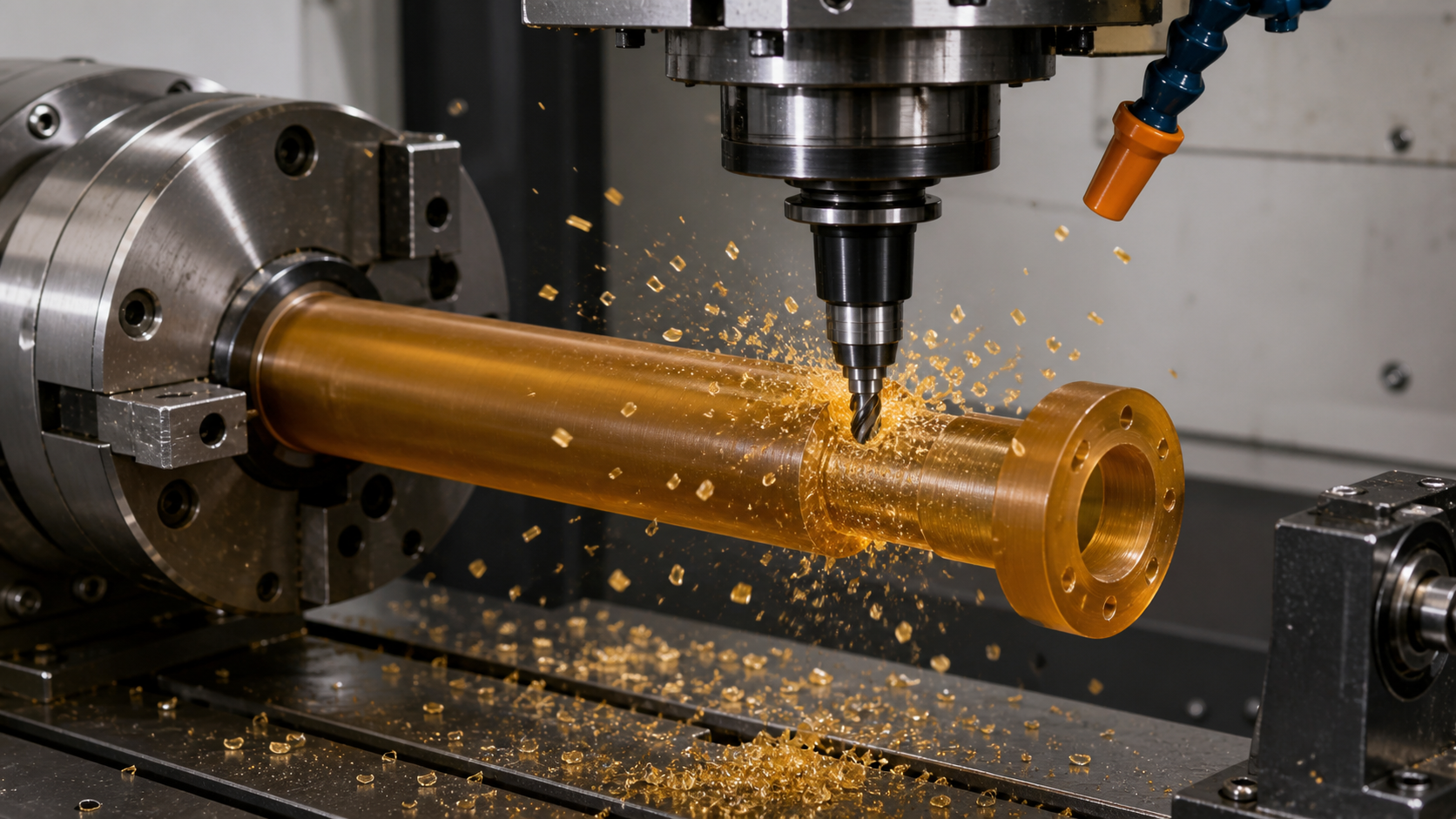
When we get a new job, it's easy to see a familiar polymer name like "PEI" and assume our existing programs will work just fine. I've seen shops make this mistake. They load a glass-filled grade and press go, only to find their tools are worn out and their parts are out of spec halfway through the run. The difference between a base polymer and its reinforced version is huge. Glass fibers completely change how the material behaves under a cutting tool. We treat any change in material, even just adding a filler, as a new setup requiring its own process. This discussion is based on our experience, and we would always recommend you run your own tests to confirm the best approach for your specific grade and application.
Identifying Glass Content Before Reusing a Program?
You have a program that runs perfectly on unfilled PEI. A new order for glass-filled PEI arrives. Reusing the old program without checking can destroy your tools and scrap expensive material.
You must identify the glass content because the fibers drastically change the material's density and abrasiveness. A simple check of the material certificate or a density comparison confirms you're working with a different material that requires a new machining approach to avoid tool failure.
Before we even think about machining, the first step is always positive material identification. Relying on the polymer name alone is a risk. A "PEI" part can be unfilled, 10% glass-filled, 30% glass-filled, or even contain other additives. Each one is a unique material from a machining perspective. We always start by reviewing the documentation that came with the raw material. The material certificate or technical data sheet will clearly state the grade and the percentage of glass reinforcement. This is the most reliable method.
Physical and Documentary Checks
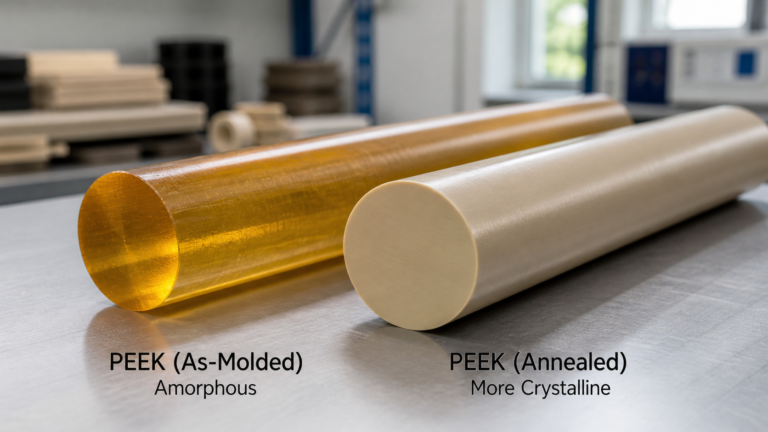
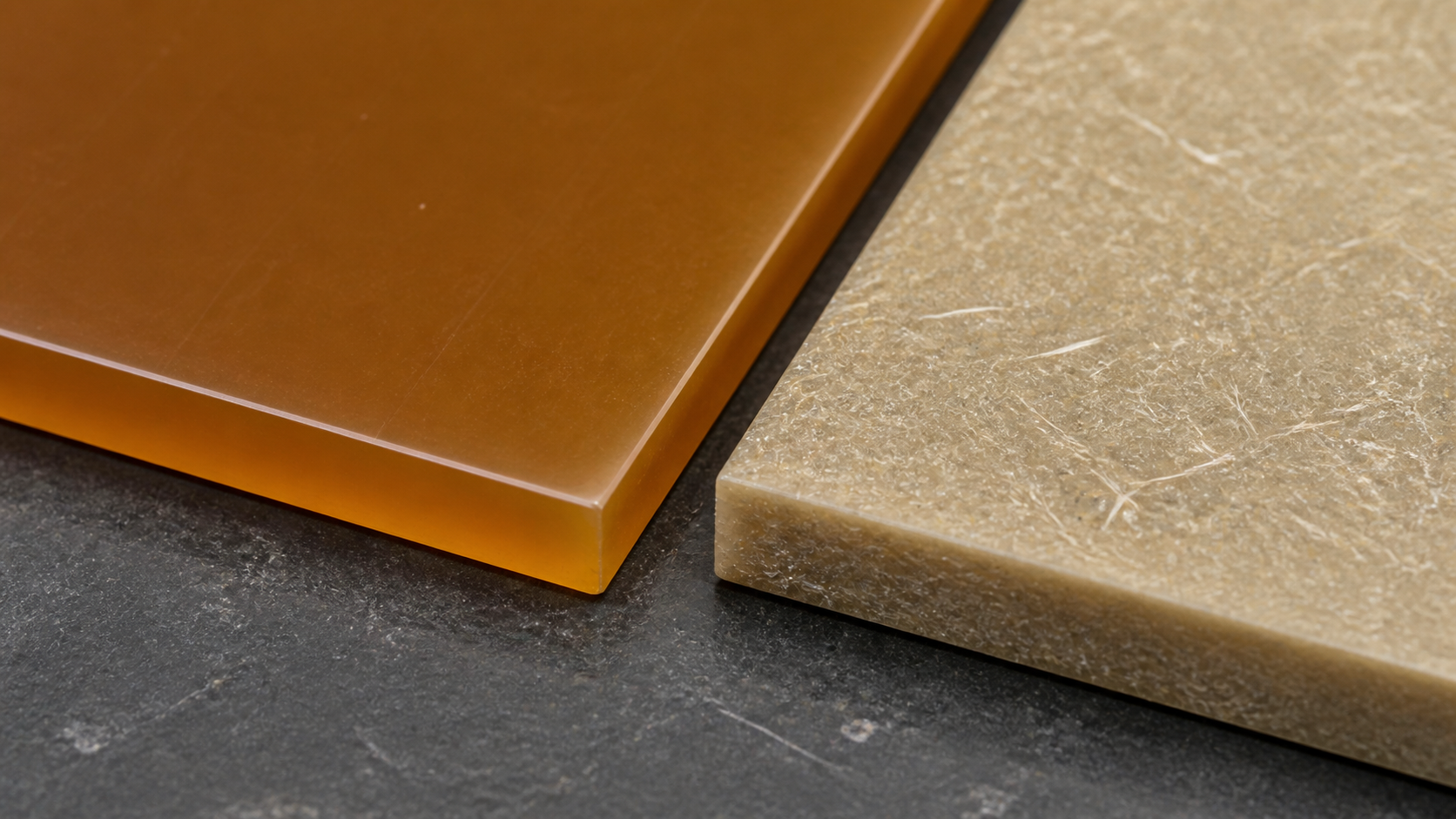
If documentation isn't available, there are other clues. Visually, glass-filled grades can sometimes have a slightly different, more opaque, or fibrous appearance compared to the translucent, amber look of natural PEI. However, this is not a foolproof method. A more reliable physical check is density. Glass is much denser than PEI, so a filled grade will be noticeably heavier than an unfilled piece of the same size. We can perform a quick density test to confirm our suspicions. Making this a standard practice has saved us from many potential problems.
| Property | Unfilled PEI (Typical) | 30% Glass-Filled PEI (Typical) | Why It Matters for Machining |
|---|---|---|---|
| Density | ~1.27 g/cm³ | ~1.51 g/cm³ | Confirms the presence of heavy glass fibers. |
| Appearance | Translucent, amber | Opaque, tan/beige | A quick visual clue, but should not be the only check. |
| Abrasiveness | Low | Very High | The primary driver of increased tool wear. |
| Stiffness (Flexural Modulus) | ~3.2 GPa | ~9.0 GPa | Stiffer material can lead to higher cutting forces. |
Comparing Edge Wear With the Unfilled Baseline?
Your carbide end mill lasts for hundreds of parts on standard PEI. After switching to a glass-filled grade, the same tool is dull after just a few dozen pieces, causing production to stop.
Comparing edge wear is critical because the abrasive glass fibers grind down the cutting edge much faster than the soft polymer. We monitor the tool's cutting edge under a microscope to gather real evidence of wear, helping us predict tool life and prevent part failures.
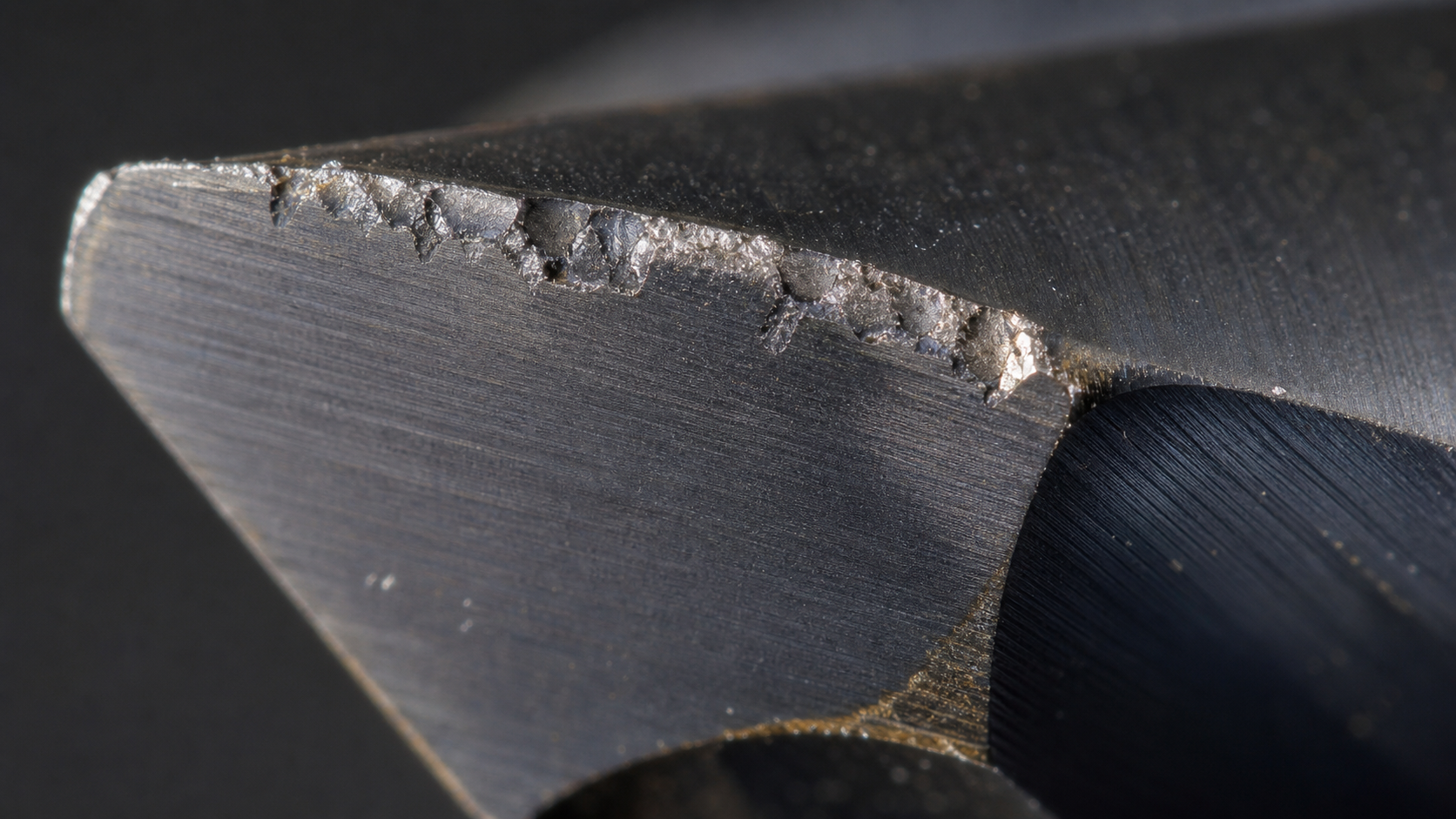
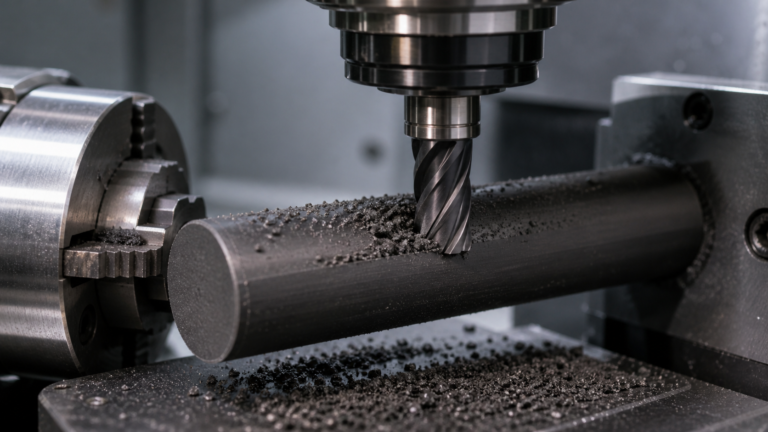
The biggest difference we see is how quickly tools wear out. Machining unfilled PEI is relatively gentle on cutting tools. The polymer is soft and cuts cleanly. When you introduce glass fibers, you are essentially cutting a composite material filled with tiny, sharp, and very hard particles. Each fiber acts like a small piece of sandpaper grinding against the tool's cutting edge. We've seen a brand-new carbide tool develop a visible wear land after cutting glass-filled PEI for a surprisingly short time. In contrast, that same tool might show almost no wear after a much longer run in unfilled PEI.
To manage this, we don't just guess. We establish a baseline. We'll run a new tool on the unfilled grade and inspect its edge after a set number of parts. Then, we do the same test with the glass-filled grade. Looking at the tool edge under magnification tells the whole story. You can clearly see the abrasion. This evidence-based approach helps us decide if we need to schedule more frequent tool changes, use a tougher tool coating like diamond, or adjust our cutting parameters to reduce the wear rate.
Checking Whether Surface Finish Drifts During the Run?
The first few parts off the machine look perfect, with a smooth, clean finish. But as the run continues, you notice the surface is getting rougher, and you start seeing tool marks.
You should check if the surface finish drifts because it is a direct indicator of tool wear. As the cutting edge dulls from the abrasive glass, it starts tearing the material instead of shearing it, leading to a progressively worse finish. Monitoring this helps prevent scrap parts.
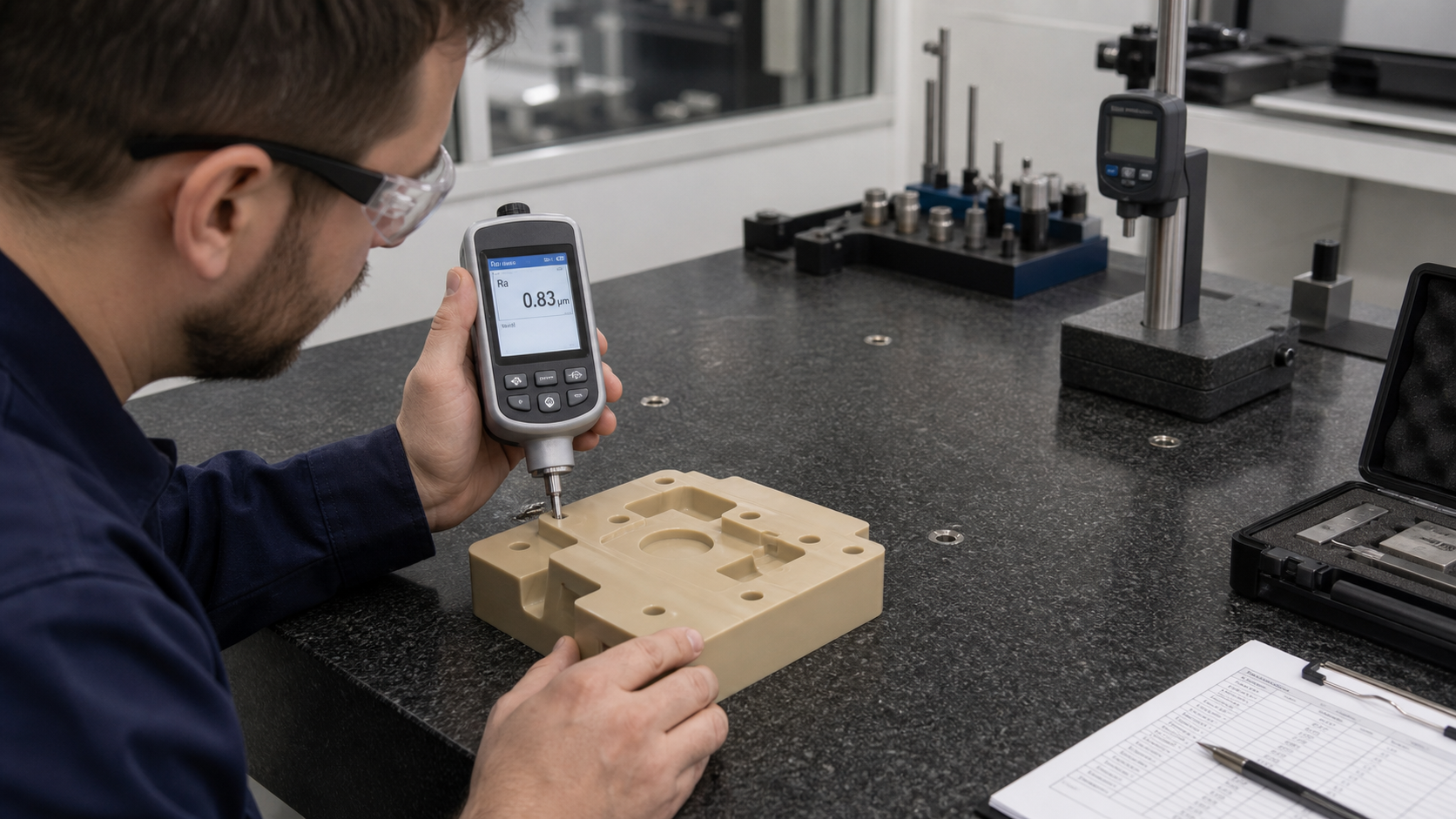
A degrading surface finish is one of the first and most obvious signs that your cutting tool is wearing out. With glass-filled PEI, this can happen quickly. A sharp tool cleanly slices through the polymer matrix and the glass fibers, leaving a smooth surface. As the tool's edge becomes rounded and dull from abrasion, its cutting action changes. It's no longer a clean shear. Instead, the tool starts to plow through the material, pushing and tearing it. This can pull fibers out of the matrix and smear the polymer, resulting in a rough, fuzzy, or uneven surface.
We make it a habit to check the surface finish at regular intervals during a production run of any abrasive material. For example, we might inspect every 10th or 20th part. We're not just looking at it; we might use a surface roughness tester to get an actual measurement (Ra value). When we see that value start to climb, we know the tool is nearing the end of its useful life, even if the part dimensions are still in tolerance. This allows us to change the tool proactively before we start making bad parts.
Approving Separate Cutting Conditions for the Filled Grade?
You've confirmed that glass-filled PEI wears tools faster and hurts surface finish. Simply changing tools more often is costly. You need a better, more sustainable solution for production runs.
You must approve separate cutting conditions for the filled grade to manage heat and reduce the rate of abrasive wear. This typically involves lowering the cutting speed (SFM) and feed rate to create a more stable and predictable process, extending tool life and ensuring consistent quality.
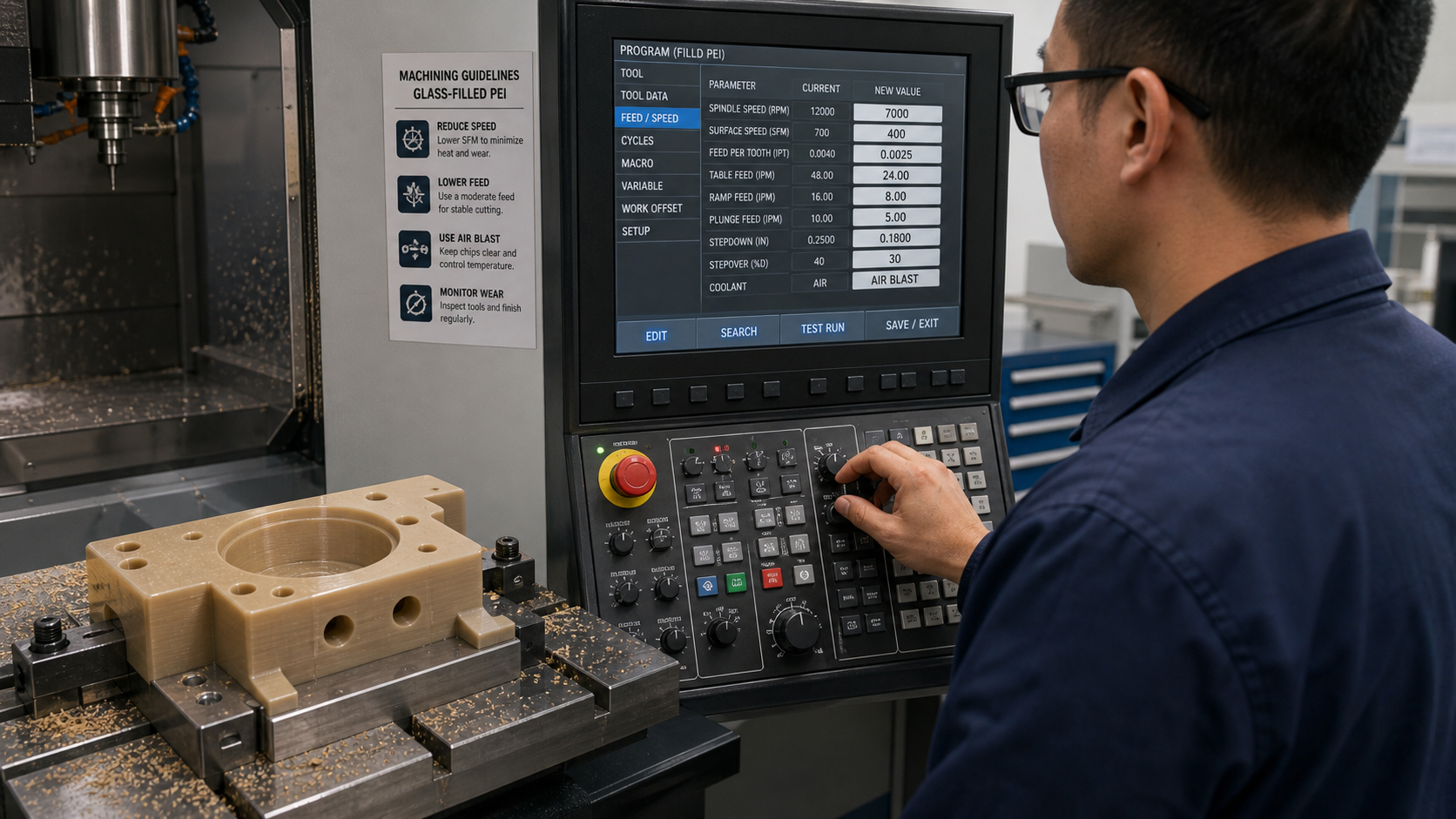
Trying to run glass-filled PEI with the same speeds and feeds as the unfilled version is a recipe for failure. The high speeds that work well for unfilled PEI generate too much heat when cutting the abrasive glass fibers, which accelerates tool breakdown. The only reliable solution is to develop and document a completely separate set of cutting conditions specifically for the filled grade. We treat it as a totally different material in our CAM system.
Our starting point for a glass-filled grade is usually to reduce the cutting speed (Surface Feet per Minute or SFM) significantly, maybe by 30-50% compared to the unfilled grade. This lowers the temperature at the cutting edge and slows the abrasive wear. We might also adjust the feed per tooth to ensure we're forming a proper chip without putting excessive pressure on the tool. The goal is to find a balance that gives us acceptable tool life and a consistent surface finish without sacrificing too much cycle time. Once we find parameters that work through testing, we lock them in and make them the official, approved process for that material.
Conclusion
Glass-filled PEI is not the same as unfilled PEI. The glass fibers make it highly abrasive, requiring a unique machining strategy to manage rapid tool wear and ensure consistent part quality.